
Kotor Hotels with Parking
Where drivers should stay in Kotor: why the car-free Old Town is the hardest place to park, how the seasonal car parks by the walls work, and the easier bay bases — Dobrota, Muo, Prčanj, Škaljari and Tivat — where a room with its own space is the norm.

- ✓Kotor's UNESCO-listed Old Town is car-free, so a hotel 'inside the walls' never has parking at its door — you park outside the gates and walk your bags in.
- ✓The big public car parks sit on the waterfront just outside the walls; they are paid, seasonal and fill fast on cruise and summer days, so a stay with its own guaranteed space is worth real money in July and August.
- ✓The reliable move for drivers is to base a short hop out of town — Dobrota, Muo, Prčanj, Škaljari or Tivat — where rooms with private parking are the norm rather than the exception.
- ✓If you are touring Montenegro by car, keeping the vehicle at the room and walking or driving into the Old Town usually beats fighting for a space by the gates every day.
- ✓Always confirm parking in writing before booking: is the space private and guaranteed, free or paid, and how far is it from the door — older bay lanes can be narrow for larger vehicles.
- ✓The Old Town's beauty and a calm parking situation rarely come in the same room; choose your base by deciding which one you cannot give up.
Why parking is the question that shapes a Kotor stay
Kotor is one of those rare towns where where you sleep is decided less by the view than by the car. The walled Old Town (Stari Grad) is a UNESCO World Heritage site and entirely car-free: no vehicle crosses the Sea Gate, and the medieval lanes are far too narrow for anything but feet and the occasional delivery cart. That single fact ripples through every booking. A hotel that calls itself 'in the Old Town' is genuinely inside the walls — which is wonderful for atmosphere and impossible for parking. You will leave the car outside the gates and carry or wheel your luggage the last stretch over stone.
Just beyond the walls, the bay-front road and the waterfront car parks absorb the town's traffic, and in high season they absorb a great deal of it. Cruise mornings and midsummer weekends bring the heaviest demand the whole Adriatic coast sees, and the public parks by the walls can be full by mid-morning. That is why, for anyone arriving by car, a room with its own guaranteed parking space is not a luxury add-on but the thing that decides whether your trip starts with a calm walk or a stressful loop of full car parks.
The good news is that the bay gives drivers an easy answer. Move a few minutes out of the centre and parking flips from a daily problem to a non-issue: the residential villages strung along the shore are built around the car, and most of their guesthouses, apartments and hotels come with a space. This guide is about making that trade on purpose — what 'parking' really means inside versus outside the walls, and which bay bases serve drivers best.
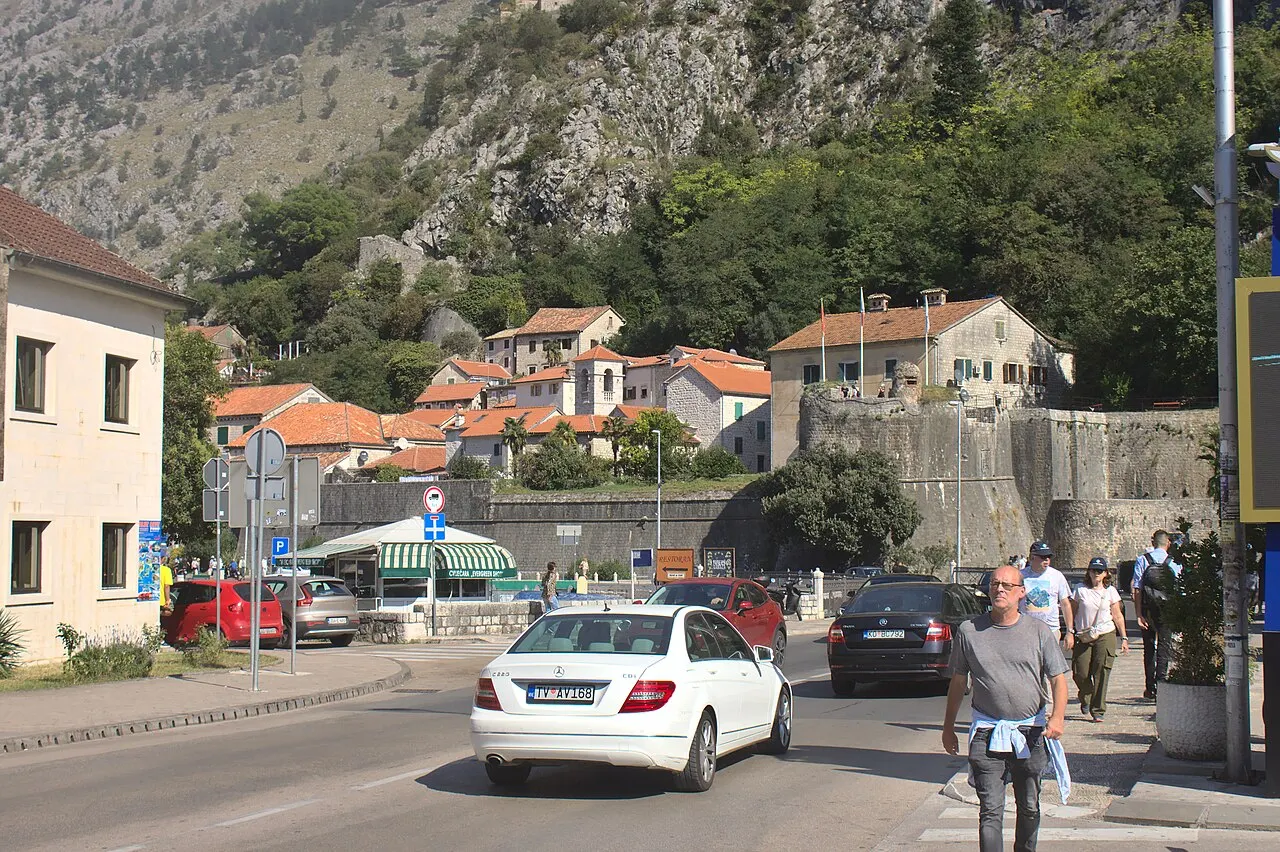

Staying 'in the Old Town' as a driver: what to expect
Plenty of travellers still want to sleep inside the walls, and you can absolutely do it with a car — you simply need to understand the arrangement. An Old Town hotel or apartment will direct you to one of the public car parks on the waterfront just outside the gates, where you pay by the hour or the day, and from there you walk in. The distance from the nearest car park to the Sea Gate is short, but it is over cobbles, so soft-wheeled cases and a willingness to make a second trip for the heavy bag help. Some properties have an arrangement with a nearby park or a private space a little further out; ask exactly where it is and what it costs before you commit.
The honest trade-off is this: inside the walls you wake up in the middle of the postcard, steps from the cathedral and the climb, but your car lives outside and you pay for its space, daily, often at peak rates in summer. For a short, mostly-on-foot stay where you barely touch the car, that can be perfectly fine — even pleasant, since you are not driving anyway. For a road trip where you are in and out of the vehicle every day, it quickly becomes the most expensive and fiddly way to keep a car in Kotor.
If you do stay inside the walls with a car, time your arrival and departure away from the cruise-morning and weekend peaks if you can, when the waterfront parks are at their fullest. And treat the volatile details — current parking fees, whether a park is hourly or daily, seasonal rates — as things to verify on the day rather than facts to bank in advance; they change, and we keep them out of the prose for that reason.
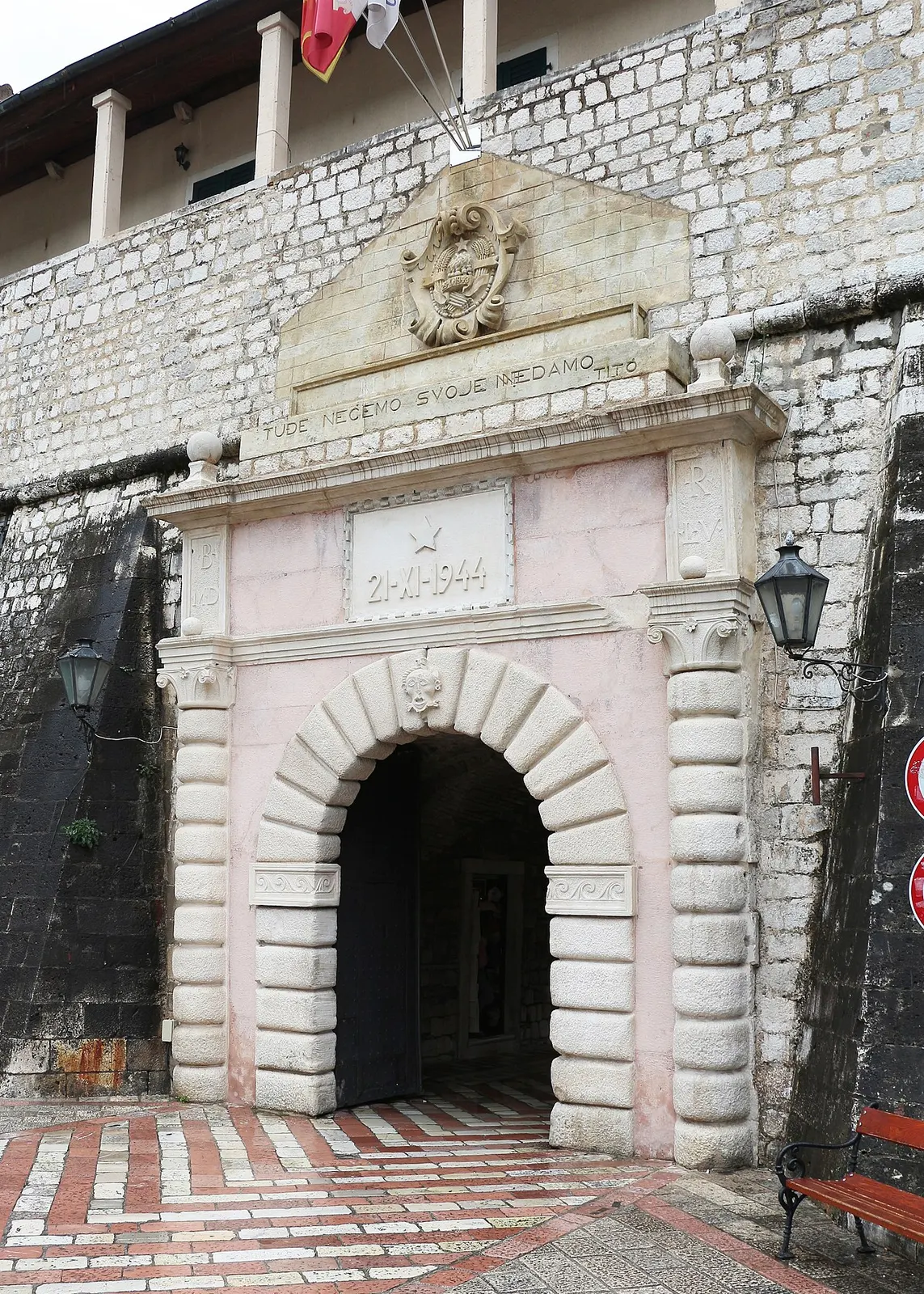
- 'In the Old Town' means car-free: you park outside the walls and walk bags in over cobbles.
- Public waterfront car parks are paid, hourly or daily, and busiest on cruise mornings and summer weekends.
- Some properties arrange a nearby park or private space — ask exactly where and at what cost.
- Best for short, on-foot stays; least convenient for a daily-driving road trip.
- Verify current parking fees and seasonal rates on the day — they change.
 Old Town Hotels in Kotor
Staying inside the walls — the atmosphere, the noise and the parking caveats for drivers.
 Parking in Kotor
Where the public car parks are, how they are zoned and what to expect in high season.
Map pins
Map data © OpenStreetMap contributors · Tiles © OpenFreeMap
The driver's easy answer: bay bases with their own parking
For most people arriving by car, the smart move is to base a short hop out of the centre, where parking is built into the way the villages live. Dobrota, the long waterfront village that runs north from the Old Town along the same shore, is the most natural choice: you stay minutes from the walls, on the same side of the bay so you can walk in, and the great majority of its apartments, guesthouses and hotels come with a parking space or easy nearby parking. You keep the car at the room, walk or drive into the Old Town as you please, and never join the queue for the waterfront parks.
Across the water, Muo and Prčanj sit on the opposite shore beneath the Vrmac ridge — quieter again, with bay-view rooms looking straight back at Kotor and parking that is rarely a problem. They are a short drive or a longer, scenic loop around or under the bay from the Old Town, which suits drivers who do not mind a few minutes in the car for real calm and an easy space. Just behind the centre, the residential pocket of Škaljari puts you within walking distance of the walls while giving you the off-street parking the Old Town cannot — a good compromise for those who want to be close on foot but still keep the car at the door.
Further out, Tivat — near the Porto Montenegro marina and Tivat airport — is the most car-friendly base of all, with hotels and apartments geared to drivers, garages and marina parking, and an easy road back around the bay to Kotor. It suits travellers using Kotor as one stop on a wider Montenegro drive more than those who want to be on the doorstep of the lanes. Whichever bay base you pick, the principle holds: a few minutes' distance from the walls buys you a guaranteed, usually cheaper or included space — the single biggest quality-of-life upgrade a driver can make here.
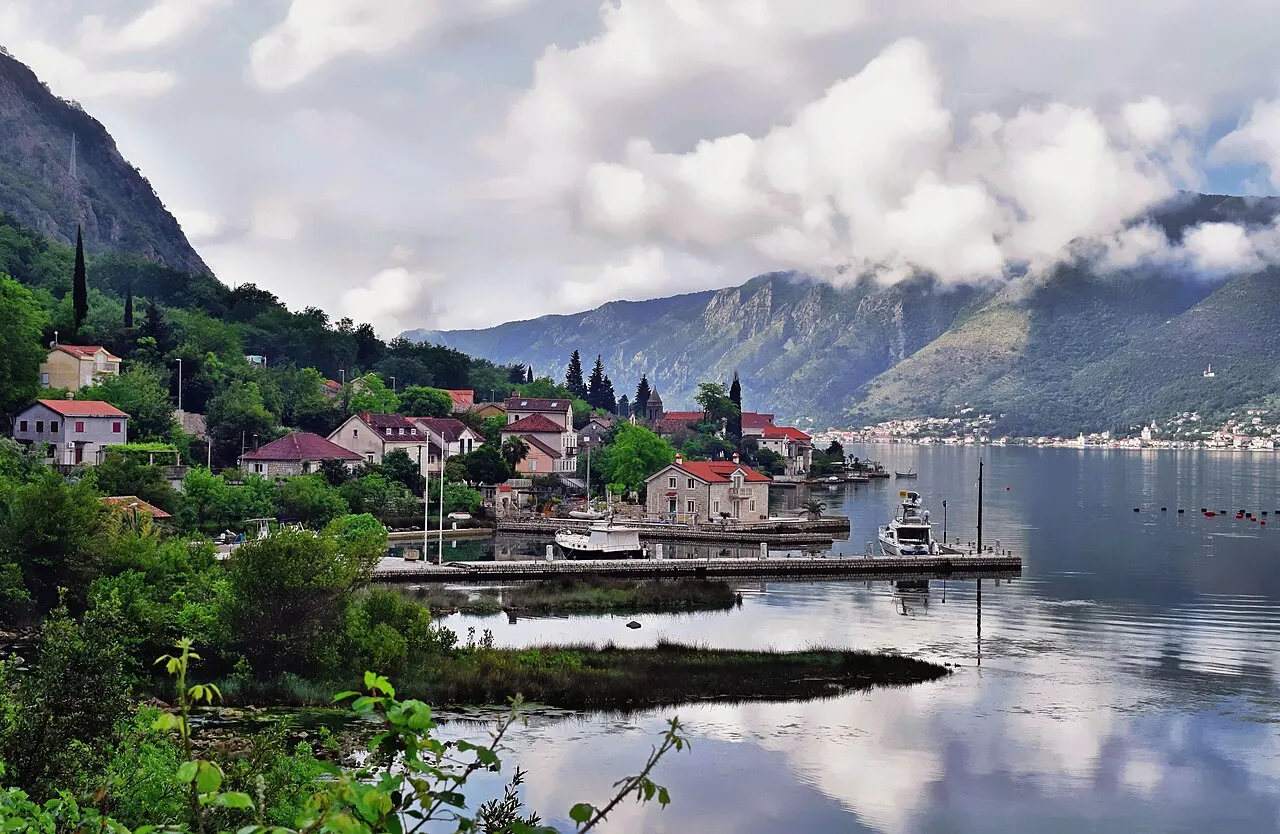
- Dobrota: same shore as the Old Town, walkable in, and most stays include parking — the easiest driver base.
- Muo & Prčanj: opposite shore, quietest, bay-view rooms and easy parking; a short scenic drive into town.
- Škaljari: residential pocket just behind the centre — walk to the walls but keep off-street parking at the door.
- Tivat: the most car-friendly base, near the airport and marina, best for a wider Montenegro road trip.
- The rule: a few minutes out of the centre buys a guaranteed, often included, parking space.

Reading a listing: the parking questions that actually matter
Online listings use 'parking' loosely, so it pays to pin down exactly what is on offer before you book — especially in Kotor, where the gap between 'parking nearby' and 'private space at the door' can be the difference between an easy arrival and a long, hot loop with the bags in the car. The first question is whether the space is private and guaranteed to your room, or simply 'street parking available' — which in a popular bay village can mean a free-for-all that is full by evening in summer. The second is whether it is free with the room or paid, and how much; a 'free parking' line is worth confirming, because some properties mean a paid public park nearby.
Distance is the third question, and the one most often glossed over. Ask how far the space is from the door in real walking minutes, not metres on a map, because the older waterfront lanes can wind. The fourth is size: many bay properties sit on narrow stone lanes that are tight for larger SUVs, vans and anything towing, so if you have a big vehicle, say so and ask directly whether it will fit. Finally, for Old Town stays, ask which specific car park you should use and what its current rate is — and treat that rate as something to verify on arrival rather than trust from an old review.
Get clear answers to those five questions and a Kotor parking situation almost never goes wrong. Leave them vague and you risk arriving to find the 'parking' is a public park three streets away that is already full. A two-line message to the host before booking — private or street, free or paid, how far, how big a vehicle fits, which park for the Old Town — is the cheapest insurance a driver can buy here.
- Private & guaranteed, or just 'street parking available'? They are not the same in high season.
- Free with the room or paid — and if 'free', is it the property's own space or a nearby public park?
- How far from the door in real walking minutes, not map metres?
- Will it fit your vehicle? Bay lanes can be tight for SUVs, vans and anything towing.
- For Old Town stays: which specific car park, and what is the current rate? Verify on arrival.

Driving in and around the bay from your base
Once the car has a home, getting about is straightforward — with a few Kotor-specific quirks worth knowing. The bay road threads along the shore and through the villages, scenic but slow in summer when traffic and the occasional tour coach back things up, so allow more time than the short distances suggest. The Old Town is car-free, so plan to leave the vehicle at your base or a waterfront park and continue on foot whenever the lanes are your destination. For the bay villages on the opposite shore, the Kamenari–Lepetane ferry across the bay mouth is a handy shortcut that saves driving the long way around when you are heading toward Tivat, the airport or Croatia.
A parked car is also the key that unlocks the best of Montenegro beyond the water. From a base with its own space you can set off up the famous serpentine road to Njeguši, Lovćen and the old royal capital of Cetinje, or down the coast to Budva and the riviera, without surrendering and re-finding a parking spot each day. That freedom is precisely why drivers benefit from a base built around the car: the vehicle earns its keep on the day trips, and sits quietly at the room the rest of the time.
As ever, we keep the moving details out of the prose. Fuel prices, ferry and bus times, exact parking fees and seasonal rates all shift, so confirm them close to your visit. Montenegro uses the euro and cards are widely taken, though smaller konobas, boatmen and some car parks still prefer cash — keep a little on hand for the machine by the walls.
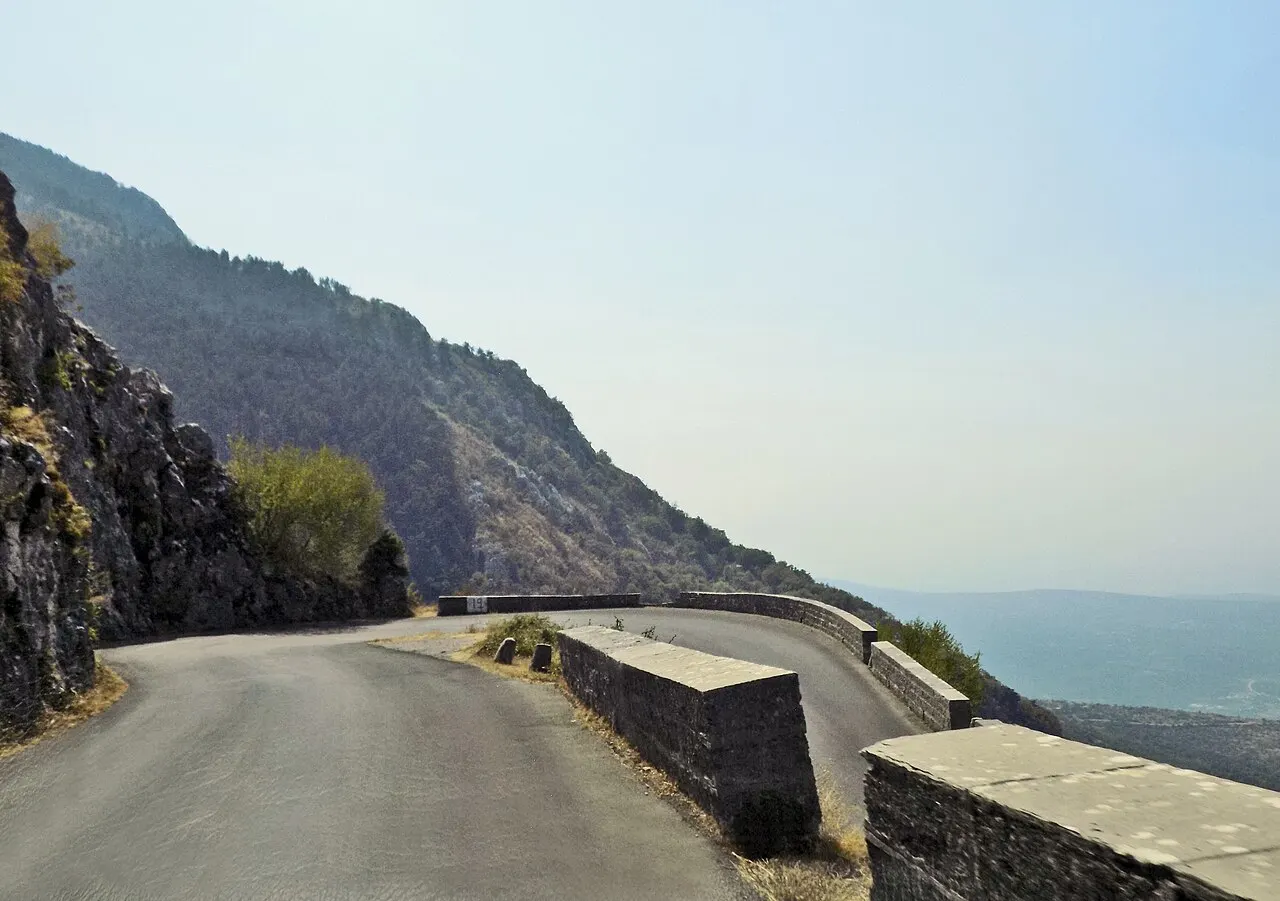
- The bay road is scenic but slow in summer — allow more time than the distance suggests.
- Leave the car at base or a waterfront park whenever the Old Town lanes are your destination.
- The Kamenari–Lepetane ferry shortcuts the bay mouth toward Tivat, the airport and Croatia.
- A based car unlocks Lovćen, Cetinje, Budva and the riviera without re-finding a space each day.
- Euro currency; cards widely taken, but keep cash for car-park machines and small konobas. Verify fuel, ferry and parking rates near your visit.
Kotor hotels with parking at a glance
Use this quick card to choose a parking-friendly base. The shape of the problem — the car-free Old Town, the seasonal waterfront parks, the easy bay alternatives — is evergreen; the volatile details (hotel rates, exact parking fees, whether a space is included, garage hours) change with the season and the property, so verify them directly before you book.
- The catch: the Old Town is car-free — 'inside the walls' never has parking at the door.
- Old Town stays: park at a paid waterfront car park and walk in; busiest on cruise and summer days.
- Easiest driver bases: Dobrota (walkable in), Muo & Prčanj (quiet, opposite shore), Škaljari (close on foot), Tivat (most car-friendly).
- Best value for road trips: a bay base with private, included parking beats a daily paid park by the walls.
- Before booking, confirm: private or street, free or paid, distance to door, vehicle size, and which park for the Old Town.
- Verify directly: room rates, parking fees, whether a space is included, and garage hours.

Getting Around Kotor
How to get around Kotor and the Bay of Kotor: when to walk, take a local bus, hail a taxi, hop a boat, drive and park, use the Kamenari–Lepetane ferry, or book a private driver.
Read guide
Bay of Kotor Road Trip
A self-drive loop around the Bay of Kotor: out of Kotor along the inner shore through Dobrota and Perast, on to Risan's Roman mosaics, the full loop versus the Kamenari–Lepetane ferry shortcut, then Tivat and the high viewpoints — with honest notes on the narrow bay road, the car-free Old Town and where to park.
Read guide
Staying in Dobrota
Where to stay in Dobrota, the long bayfront village just north of Kotor's Old Town: who it suits, the waterfront promenade and swimming, the calmer nights, parking and how easily you reach the walled town on foot or by car.
Read guideMore in Where to Stay
6Accessible Hotels & Stays in Kotor
Where to stay in Kotor for step-free access: why the cobbled, stepped, car-free Old Town is the hardest base for limited mobility, the flatter bay alternatives like Dobrota and the modern wider-bay hotels, and the access questions to ask before you book.
Read guide
Best apartments in Kotor
How apartment stays work around the Bay of Kotor: why they're the dominant choice here, what a kitchen and space buy you, where to find them by area, and the practical realities — stairs, parking, air-con, bay views and self check-in — to weigh before you book.
Read guide
Best boutique hotels in Kotor
How to find Kotor's most atmospheric boutique stays: restored stone palaces and captains' houses inside the Old Town walls, along the Dobrota and Muo–Prčanj shore, and in baroque Perast — and how to choose by atmosphere, noise, stairs and view.
Read guide
Best budget hotels in Kotor
How to stay cheaply around the Bay of Kotor without losing your days to buses, parking or steep walks: where the value is, what budget looks like here, the shoulder-season and cruise-day pricing tricks, and the hidden costs to weigh before you book.
Read guide
Best family hotels in Kotor
Where families should stay around the Bay of Kotor: why the car-free Old Town is rarely the best base, the calmer bayfront bases that give space, parking, pools and swimming, and the practicalities — kitchens, prams, deep water — that matter most with kids.
Read guide
Best Hotels in Kotor by Area
A practical framework for choosing where to stay around the Bay of Kotor — matching the Old Town, Dobrota, Muo and Prčanj, Perast and Tivat to first-timers, couples, families, drivers, luxury travellers and cruise extensions, with the booking checks that matter.
Read guide