
What to Eat in Kotor
A field guide to Montenegrin coastal food in Kotor: buzara mussels and fresh fish off the bay, black cuttlefish risotto and grilled octopus, Njeguši pršut and cheese from the mountains, lamb cooked under the bell, pastries and sweets, and the wines, rakija and coffee that go with them.

Photo: Dario Morandotti / Unsplash
- ✓Kotor's table is half Adriatic and half mountain: seafood from the bay below, cured meats and cheese from Njeguši above on the serpentine road.
- ✓Buzara — mussels or shellfish simmered in white wine, garlic and olive oil — is the dish that tastes most of the place.
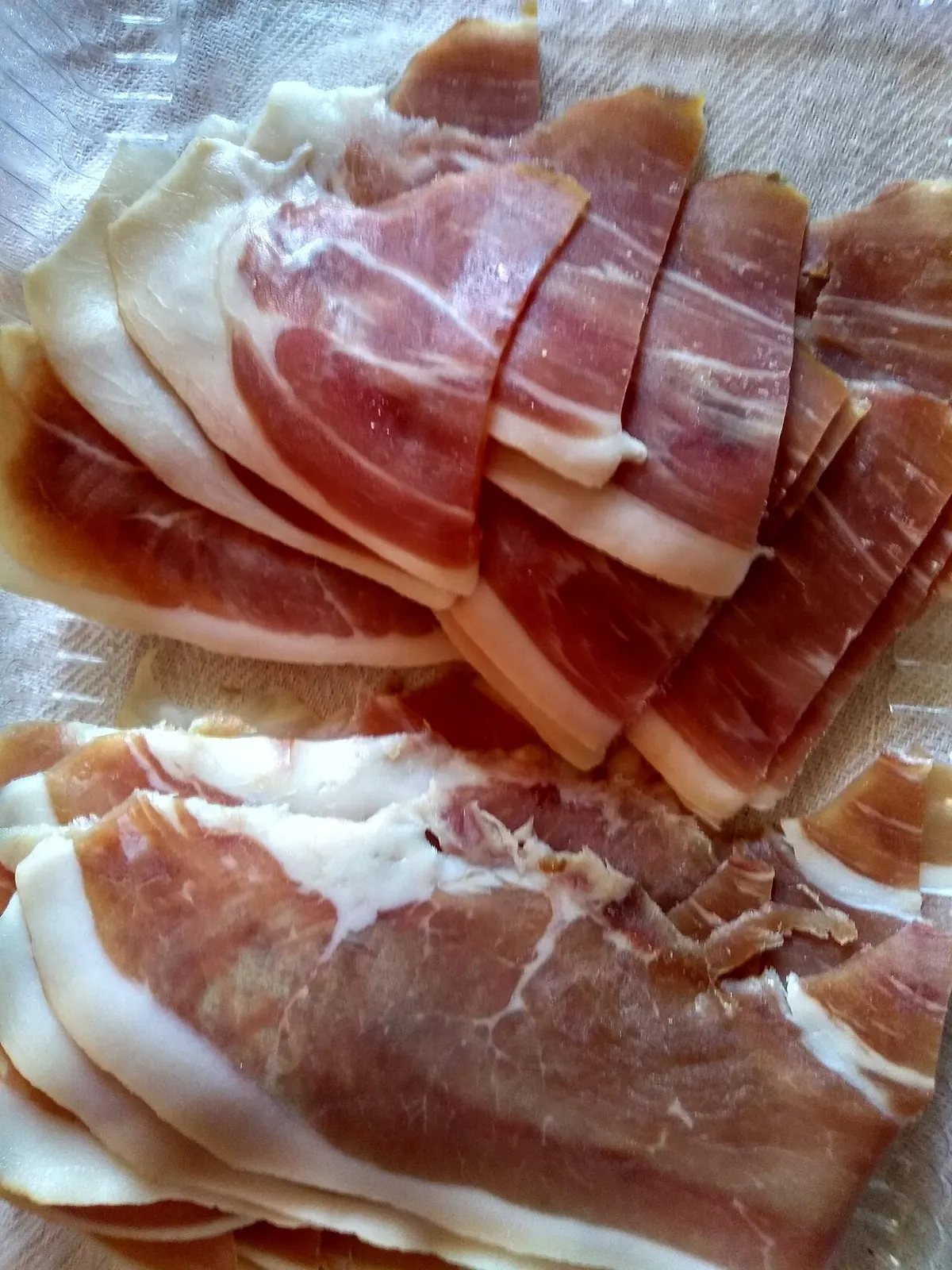
- ✓Njeguši pršut (air-dried, lightly smoked prosciutto) and firm Njeguši cheese are the heart of every meze board.
- ✓Inland comes heartier cooking: lamb and veal cooked ispod sača, under a bell-shaped lid buried in embers.
- ✓Drink Vranac (the robust red), Krstač (a coastal white), rakija fruit brandy, and a strong, slow coffee.
Two larders: the bay below and the mountains above
To understand what to eat in Kotor, look up and look down. Down is the bay — a flooded river canyon whose still, deep water gives mussels, fish, squid and octopus that land within sight of the table. Up is the mountain: the serpentine road climbs out of the Boka to Njeguši, a village whose cold, dry wind has cured the region's famous prosciutto and cheese for generations, and beyond it the highlands where lamb and veal are slow-roasted under embers. Kotor's cooking is the meeting of these two larders, coastal and continental, and the best meals draw on both.
That doubleness is why a classic Kotor dinner usually opens with the mountains and moves to the sea: a meze board of pršut, cheese, olives and bread to start, then buzara or grilled fish from the bay. It is unfussy food, built on a few good ingredients treated simply — there is little here that is heavily sauced or fiddly. The pleasure is in the freshness and the setting, and in knowing what to order so you eat like a local rather than off the tourist top line.
- Down: the bay's mussels, fish, squid and octopus.
- Up: Njeguši pršut and cheese, and highland lamb and veal.
- A classic meal opens with the mountains (meze) and moves to the sea (fish).

From the bay: buzara, fish and the sea repertoire
The dish to order first is buzara. Mussels — or a mix of shellfish — are simmered in white wine, garlic, olive oil and parsley and served in the pan, with bread to mop up the broth; there is a 'white' version (na bijelo) and a tomato-based 'red' one (na crveno), and both are meant to be shared with sleeves rolled up. It is the most local thing you can eat in Kotor, and one of the most romantic, because it is impossible to eat in a hurry or at arm's length.
Beyond it sits the full Adriatic repertoire. Crni rižoto — black risotto coloured and flavoured with cuttlefish ink — is a regional staple worth getting over your hesitation about. Grilled squid (lignje) and octopus, often dressed simply with oil and lemon, are everywhere; octopus salad (salata od hobotnice) is a cool, lovely starter on a hot day. And then there is the fresh whole fish, brought to the table to be chosen and priced by the kilo: sea bass (brancin), bream (orada) and the catch of the day, grilled and filleted at the table. Ask what is local and what the day's price is before you point, because by-the-kilo fish is where a relaxed dinner can quietly turn pricey.
- Buzara is the signature — mussels in the pan, white or tomato, shared with bread.
- Try crni rižoto (black cuttlefish risotto), grilled squid and octopus salad.
- Fresh whole fish is priced by the kilo — confirm what's local and the day's price first.
 Best Seafood in Kotor
Where to eat the bay's mussels, fish and octopus, from the Old Town to the quays.
 Waterfront Restaurants in Kotor Bay
Bay-view tables for the seafood that lands within sight of the kitchen.
Map pins
Map data © OpenStreetMap contributors · Tiles © OpenFreeMap
From the mountains: pršut, cheese and roasts under the bell
The other half of the table comes down the serpentine road from Njeguši. Njeguši pršut is prosciutto air-dried and lightly smoked in the village's cold mountain wind — sweeter and more delicate than its Italian cousins, sliced thin and eaten with the firm, salty Njeguši cheese, olives, bread and a drizzle of local olive oil. This meze board is the heart of Montenegrin eating around the bay, and it is the easiest, most pleasurable way to start an evening with a glass of wine before the fish arrives.
Go further inland and the cooking gets heartier. The signature mountain technique is ispod sača — meat and vegetables cooked slowly under a heavy bell-shaped metal lid buried in hot embers, which leaves lamb and veal meltingly tender. Roast lamb (jagnjetina) and veal (teletina), kajmak (a rich clotted-cream cheese), and warming dishes like the bean stew pasulj show the continental, Balkan side of Montenegro that the coast can hide. If you take the day trip up to Njeguši and Lovćen, eating a sač lunch at the source is one of the great food experiences of a Kotor trip.
- Njeguši pršut and cheese are the meze-board heart of the bay's table.
- Inland, look for ispod sača roasts, kajmak and slow lamb and veal.
- Eat a sač lunch in Njeguši itself if you take the Lovćen day trip.
Breakfast, pastries and sweets
Mornings here are simple and good. The everyday breakfast leans on the bakery: burek, a coiled or layered filo pastry filled with meat, cheese, spinach or potato, eaten warm from the counter and washed down with a yoghurt or a coffee. Alongside it you will find other filo pastries (pita), bread, and simple café plates of eggs, cheese and cured meat. It is street-food cheap, fast and filling — exactly what you want before a walls climb or an early boat — and one of the best-value things you can eat in town.
For something sweet, the bay's pastry shelf carries the marks of its history. Krofne (jam doughnuts) and palačinke (thin crêpes with various fillings) are café staples; baklava and other syrup-soaked, nut-filled pastries reflect the long Ottoman influence in the region; and in summer, gelato counters do brisk trade on every square. The sweet to seek out is priganice — small fried dough balls, served hot with honey, cheese or jam — a Montenegrin treat that turns up at markets and festivals and makes a perfect shared end to a meal.
- Burek and other filo pastries are the cheap, fast, filling everyday breakfast.
- Sweets: krofne, palačinke, baklava, summer gelato — and priganice with honey.
- Bakery breakfasts are ideal before a climb, a boat or an early bus.
What to drink: Vranac, Krstač, rakija and coffee
Montenegro has a small but serious wine scene, and the two names to know are Vranac and Krstač. Vranac is the country's flagship red — deep, robust and a little rustic, the natural partner for grilled meat and a sač roast. Krstač is the indigenous white that suits a warm bay evening and a plate of fish; the broader coastal whites are crisp and easy. House wine poured by the carafe is usually honest and cheap, and a glass of either colour with a meze board is the most pleasurable early evening in town.
Stronger drinking means rakija, the fruit brandy that opens or closes a Montenegrin meal — grape (lozovača) is the everyday version, and you will meet variants flavoured with herbs, honey or sour cherry. It is often offered as a welcome or a gift, so take it slowly. And running under all of it is coffee: Montenegrins drink it strong and long, and nursing a single cup over an hour on a square is a local right, not a waste of time. There is no better way to watch Kotor wake up than a morning espresso before the first cruise ship lands.
- Vranac is the robust red; Krstač and the coastal whites suit fish and warm evenings.
- Rakija (fruit brandy) opens or closes a meal — sip it slowly.
- Coffee is strong and slow; a long morning cup on a square is the local ritual.

How to order, and where to find it
A few habits help you eat well. Share, because the food is built for it — a meze board and a pan of buzara for the table beat a plate each. Ask before you order the fish, since by-the-kilo pricing is honest but easy to misjudge; confirm what is local and what it costs that day. Eat a lane or two off the busiest Old Town squares for better value, head to the bay villages and Perast for the view, and do not overlook the open-air market outside the walls, where a handful of euros buys bread, cheese, pršut, olives and fruit for a picnic that beats most restaurant lunches.
As ever, we keep specific prices and exact opening hours out of the running prose, because both move with the season — verify them on the day. What stays true is the shape of the table: bay below, mountains above, simple and fresh, with a glass of Vranac and a slow coffee bookending the day. Order along those lines and you will eat the real Montenegro, not the tourist version of it.
- Share meze and buzara; ask the day's fish price before ordering.
- Eat off the main squares for value, on the bay for the view.
- Build a cheap, local picnic from the open-air market outside the walls.


Kotor Food Market Guide
A practical food-market guide to Kotor's open-air green market just outside the Old Town walls: what to buy — local fruit, Njeguši prosciutto and cheese, honey, olives and oil, dried figs — how to time a morning visit, build a brilliant picnic, choose edible gifts and shop politely.
Read guideBest Seafood in Kotor
Where to eat the best seafood in Kotor: the bay's own mussels and oysters, fresh fish priced by the kilo, and the contest between Old Town tables, the Dobrota waterfront and the Perast quays — with how to read freshness and a fish bill.
Read guide
Njeguši & the Serpentine Road
How to plan the old serpentine road above Kotor to Njeguši — the hairpin climb out of the bay, the famous viewpoints, the pršut-and-cheese stop, when to go, who should drive it, and the traffic-rule caveats to verify.
Read guideMore in Food & Drink
4Bakeries & Burek in Kotor
The pekara is Kotor's cheapest, fastest food: warm burek and filo pastries, fresh bread, sweet krofne and pizza slices, all sold by weight. What burek really is, how to order it, where the bakeries sit, and how a few euros fuels an early start, a walls climb or a boat day.
Read guide
Best Breakfast in Kotor
Where to start the day in Kotor, matched to what you are about to do: a fast bakery burek before the walls climb or an early boat, a slow café or hotel breakfast, a grab-and-go for a cruise tour, or a market picnic by the bay — with timing around the cruise crowds and the heat.
Read guide
Best Cafés in Kotor
Where to sit over coffee in and around Kotor: the Old Town squares for people-watching, quiet courtyards and side-lane spots, bay-view and Dobrota promenade terraces, gelato counters, rainy-day indoor rooms, and how to beat the cruise crowds to the best morning cup.
Read guideWaterfront Restaurants in Kotor Bay
Where to eat with the bay in front of you around Kotor: the Old Town's water edge, the Dobrota promenade, quiet Prčanj, Muo and Orahovac, the Perast quays facing Our Lady of the Rocks, and the Tivat marina — with what to order, sunset timing and booking notes.
Read guide