
Best Time to Visit Kotor
A month-by-month guide to the best time to visit Kotor, weighing cruise crowds, fortress-climb heat, boat-trip and swimming season, rain, prices and the bay's calendar of events.

Photo: Faruk Kaymak / Unsplash
- ✓The sweet spots are late May to June and September into early October — warm bay water, climbable fortress weather, lighter crowds and softer prices than peak.
- ✓July and August are hot, busy and the heart of cruise season; the swimming is best then, but the walls climb and the Old Town lanes are at their most crowded.
- ✓Kotor is genuinely one of the wettest towns in Europe — autumn and winter bring real downpours, so the off-season is atmospheric but you must pack for rain.
- ✓Cruise calls, not the calendar alone, decide how busy the Old Town feels on any given day — a quiet shoulder-season morning can still fill if two big ships are in.
- ✓Swimming in the bay is comfortable roughly from June through September, and often into a warm early October; the sea holds its summer warmth later than the air.
The short answer: aim for the shoulder seasons
If you want one recommendation to plan around, go to Kotor in late May, June, September or early October. Those are the weeks when the bay is at its most generous: the sea is warm enough to swim, the limestone of the fortress climb has cooled from its midsummer ferocity, the boats to Perast and the Blue Cave are running, and the Old Town lanes have room to breathe between cruise calls. Prices for rooms and tables sit below the July–August peak, and the light — long, golden, kind to the rooftops and the water — is at its best.
High summer is not a mistake, but it is a trade. July and August give you the warmest swimming, the fullest boat schedule and the longest evenings, at the cost of heat that turns the walls climb punishing by late morning, the busiest cruise mornings of the year, and the highest prices. The deep off-season — November through March — flips everything: empty lanes, low prices and a moody, cinematic bay, paid for with short days, closed-for-the-season boats and some of the heaviest rainfall in Europe. The rest of this guide walks the year month by month so you can match Kotor's calendar to what you actually want from the trip.
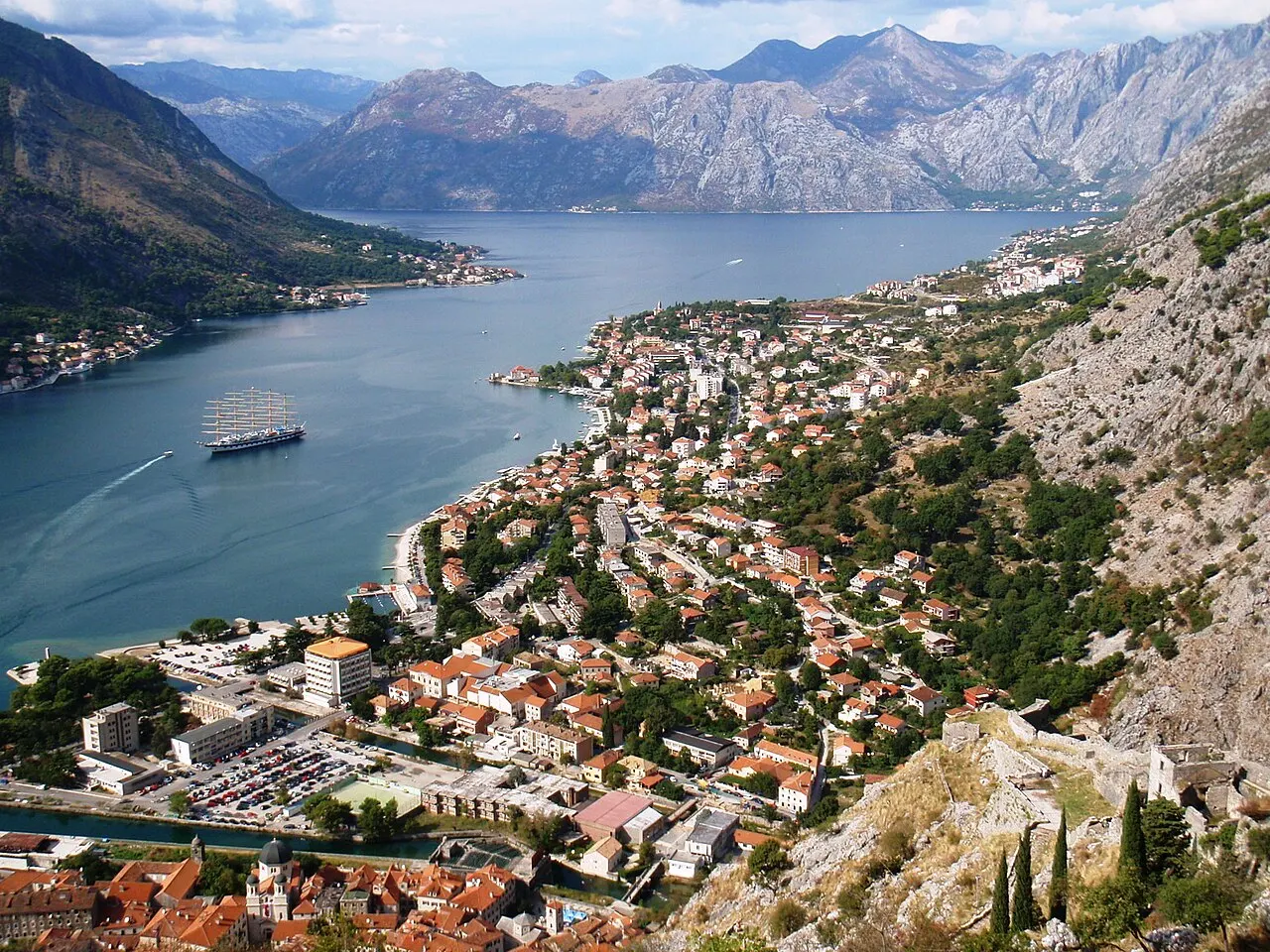
Spring: April to June, the bay waking up
Spring is when Kotor is loveliest for walkers and couples. April is still soft and changeable — the bay can be brilliant one day and grey-and-wet the next — but the hillsides are green, the wildflowers are out along the Ladder of Kotor, and the fortress climb is a pleasure rather than an ordeal because the stone is cool. Crowds are thin outside the occasional cruise call, and rooms are well below summer rates. The catch is the water: the sea is still cold for swimming this early, and some boat operators and seasonal restaurants have not yet opened for the year.
By May the season tips in your favour. The days lengthen, the climb is reliably comfortable, the Perast boats are running, and by late May the bay water has warmed enough for a brave swim. June is arguably the single best month: long warm days, swimmable sea, full boat schedules, the gardens and terraces in bloom, and crowds that, while building, have not yet reached the August crush. If you can travel before the school holidays, late May and June give you summer's pleasures without summer's price tag or its press of people.
- April: green hills, cool climbing weather, low prices — but cold sea and some operators still closed.
- May: warming up fast; boats running; the sea swimmable by late month; crowds still light.
- June: the all-rounder — warm days, swimmable bay, full schedules, blooms, and pre-peak prices.
 Kotor in May
A closer look at the shoulder-season sweet spot — weather, swimming and what's open.
 Kotor City Walls
Why spring is the kindest season for the fortress climb.
Map pins
Map data © OpenStreetMap contributors · Tiles © OpenFreeMap
High summer: July and August, hot, busy and best for swimming
Midsummer is Kotor at full volume. The bay is warm and inviting, the swimming is at its best from the coves below Prčanj and Stoliv to the Luštica beaches, the boats run constantly, and the evenings stretch late and balmy over a glass of Vranac on the water. If your trip is built around swimming, sunset cruises and a holiday rhythm, this is the season delivering it. It is also the season most people can travel, which is exactly the problem.
Two things define July and August. First, the heat: the limestone walls and the bare fortress path bake under a strong sun, and the climb becomes genuinely hard work after mid-morning, with little shade and no relief until you are back by the water. Climb at first light or hold it for the late afternoon — never at midday. Second, the crowds: this is the heart of cruise season, and on a big-call morning the Old Town lanes, the cathedral and the wall-walk fill shoulder to shoulder. Prices for rooms and restaurants peak, and the popular tables book out. None of this ruins a summer visit — but it rewards early starts, advance bookings and a base a little away from the busiest squares.
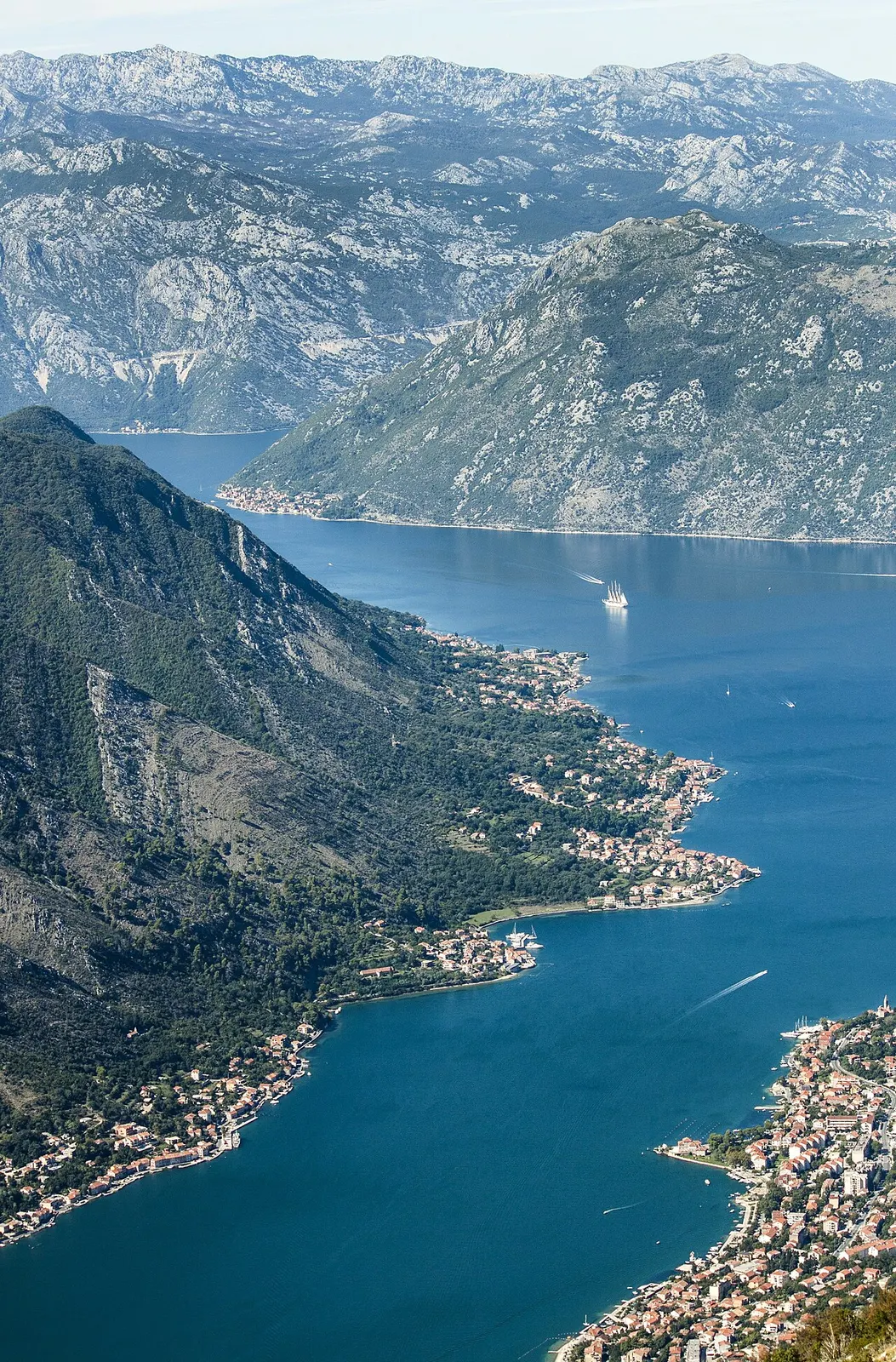
- Best swimming and the fullest boat schedule of the year — the bay is at its warmest.
- Hottest climbing conditions: do the walls at sunrise or late afternoon, never midday.
- Peak cruise season and peak prices; book tables and rooms ahead and start sightseeing early.


Early autumn: September and early October, the connoisseur's season
Ask people who return to Kotor when they go, and many say September. The crush of the school holidays eases, yet the sea is still warm — often warmer than in June, because the bay holds its summer heat well into autumn — so the swimming continues comfortably through the month and frequently into a mild early October. The climbing weather softens, the light turns long and amber, and the boats are still running their full routes for most of September. Prices begin to slide back from peak, and the Old Town's evenings recover the unhurried, lamplit quality that the busiest weeks crowd out.
Into October the trade-offs return gently. The days shorten, the first autumn rains arrive (Kotor's wet season is no myth — see below), and as the month goes on some seasonal operators wind down. But early October can still deliver warm, golden days and swimmable water, with the bay almost to yourself. For couples especially, the back half of September into the first week or two of October is the most romantic window of the whole year: warm enough to be on the water, quiet enough to have it to yourselves.
- Sea still warm — swimming continues through September and often into early October.
- Softer crowds, softer prices and the year's best evening light in the Old Town.
- Watch the calendar's back half: shorter days and the first real rains arrive in October.
The off-season: November to March, quiet, cheap and very wet
Winter Kotor is for a particular traveller, and it has real charm if you know what you are signing up for. The cruise ships and tour buses thin to almost nothing, the lanes belong to the cats and the locals again, and room prices fall to their lowest. A bright winter day on the bay, with snow on the high peaks of Lovćen and Orjen above still water, is one of the most beautiful sights in the Adriatic, and the Old Town wears its quiet wonderfully. Christmas and New Year bring a modest festive buzz to the squares.
The honest caveat is the weather. Kotor sits at the head of a steep-walled bay that funnels Adriatic moisture against the mountains, making it one of the wettest inhabited places in Europe — the off-season brings heavy, drenching rain, not the occasional shower. Days are short, the fortress climb can be slick and is sometimes not worth the risk in the wet, many boat operators and some restaurants close for the season, and bus schedules thin out. Come in winter for the silence, the prices and the moody beauty — but pack serious rain gear, build indoor plans for the museums and konobas, and keep your itinerary flexible.
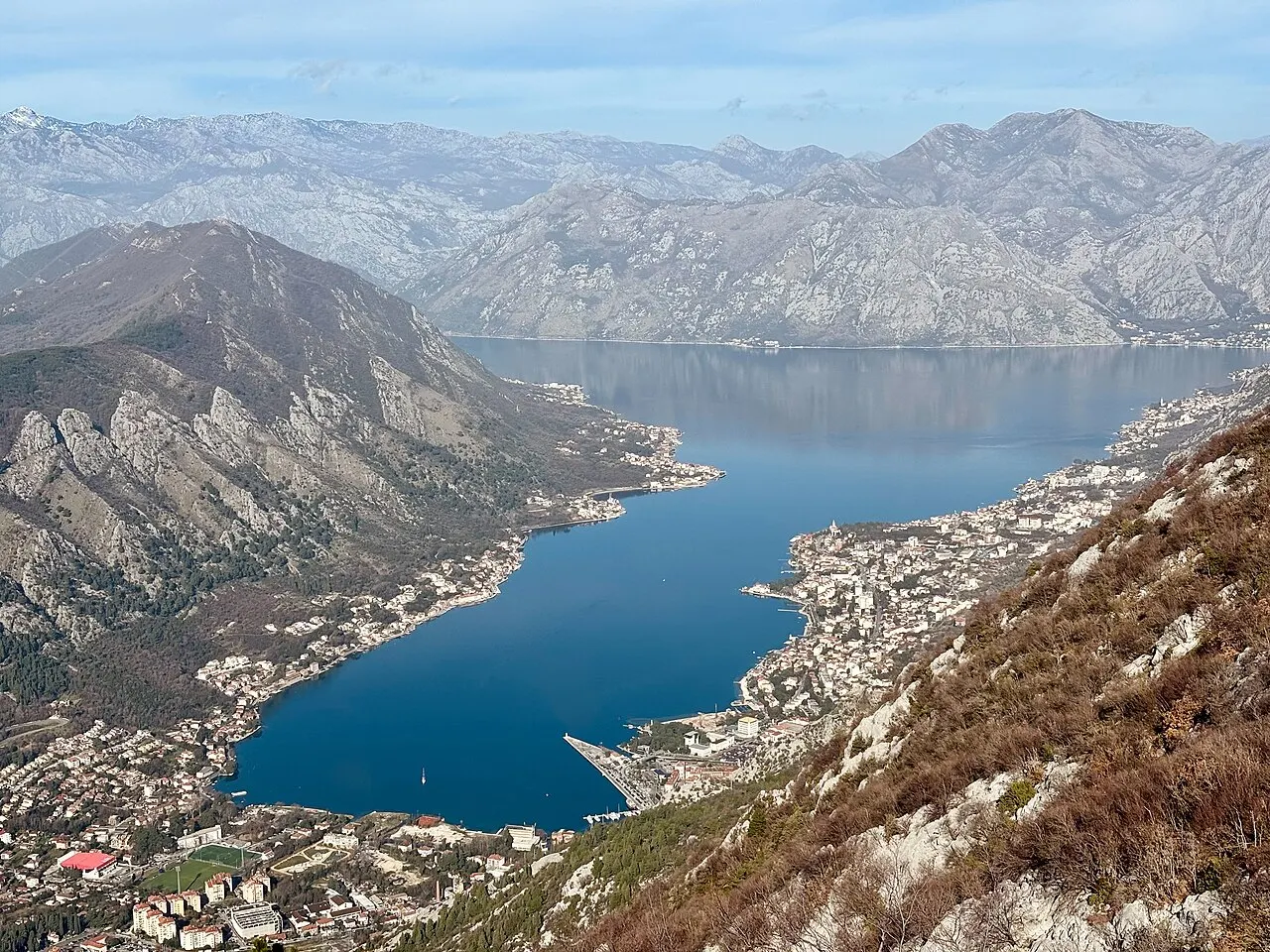
- Lowest prices and emptiest lanes of the year; snow on the peaks above a still bay can be magical.
- Among Europe's wettest towns — expect heavy rain, not light showers; pack accordingly.
- Short days, slick climbs and many boats and seasonal spots closed; build flexible, indoor-friendly plans.


Match the season to your trip
Beyond the weather, let the kind of trip you want decide the month. If the fortress climb and long walking days are your priority, the shoulder seasons — spring and early autumn — beat high summer easily, because the heat is the climb's real enemy. If swimming and boat days lead your plans, June through September is the window, with the warmest sea in July and August. If you are travelling on a budget, the further you get from July–August, the more your money buys; the off-season is cheapest of all, weather permitting.
Crowds deserve their own thought, and they do not track the calendar as neatly as you would expect. A shoulder-season morning can still feel packed if several large cruise ships are in port at once, while a quieter summer day with no big calls can feel calm. Checking the cruise schedule for your dates is often more useful than the month alone — and whenever the ships are in, the simple fix is to climb and explore early and let the lanes empty after the tenders leave. For couples chasing the bay's romance, the back half of September is hard to beat; for families wanting reliable beach days, July works if you pace around the heat.
- Climbing and walking trips: choose spring or early autumn for cool stone and clear paths.
- Swimming and boats: June to September, warmest in July–August.
- Budget: travel outside July–August; off-season is cheapest if you can take the rain.
- Crowds: check the cruise calendar for your dates and go early on big-call mornings.
Best time to visit Kotor at a glance
Use this card for the quick comparison; treat anything that moves — exact event dates, sea and air temperatures, cruise schedules and seasonal opening dates — as things to verify close to your travel dates, since they shift year to year.
- Best overall: late May–June and September–early October — warm, climbable, lighter and cheaper than peak.
- Best swimming: July–August (warmest sea); often comfortable June and into early October too.
- Best for the fortress climb: spring and autumn, when the stone is cool; avoid midday in summer.
- Busiest and priciest: July–August and any big cruise-call morning, whatever the month.
- Quietest and cheapest: November–March — but expect heavy rain and many seasonal closures.
- Verify before you go: cruise schedule for your dates, current event dates, and seasonal boat openings.
Kotor in May
What Kotor is like in May — warming days and cool fortress-climb weather, boats back to full schedules, easy Perast trips, and lighter crowds and softer prices than peak summer.
Read guide
Kotor in September
What Kotor is like in September — the sea still warm, crowds and prices easing from the August peak, the fortress climb comfortable again, golden light, and boats still running. The connoisseur's month.
Read guide
How to Avoid Cruise Crowds in Kotor
How to enjoy Kotor on busy cruise-port days — why the walled town fills up, how to read the cruise schedule, the early-and-late rhythm that dodges the crush, the bay and mountain escapes, and where to base for a calmer stay.
Read guideMore in Practical
6
Accessible Kotor Travel Guide
An honest accessibility guide to Kotor — the flat-but-cobbled Old Town, the stair-only fortress climb, cruise-port access, taxis and transfers, level waterfront walks, museums, accessible hotels, and realistic routing that plays to the town's strengths.
Read guide
Driving in Kotor and Montenegro
What it's really like to drive in Kotor and Montenegro: narrow two-lane bay roads and summer traffic, the white-knuckle serpentine, tunnels, the Kamenari–Lepetane ferry shortcut, rental and cross-border cautions, parking, fuel and mountain-route planning.
Read guideDubrovnik to Kotor
How to get from Dubrovnik to Kotor: the cross-border bus, the hire car, the private transfer, the two border crossings and their summer queues, whether it works as a day trip, and when staying overnight is the better call.
Read guide
Getting Around Kotor
How to get around Kotor and the Bay of Kotor: when to walk, take a local bus, hail a taxi, hop a boat, drive and park, use the Kamenari–Lepetane ferry, or book a private driver.
Read guide
How to Get to Kotor
How to get to Kotor: the three nearest airports — Tivat, Podgorica and Dubrovnik across the border — plus bus, car, cruise ship and private transfer, with a practical FAQ.
Read guide
Is Kotor Safe?
Practical, honest safety advice for Kotor — wandering the Old Town, night walks, boat trips, the fortress climb, driving the mountain roads, solo and female travel, and cruise-day crowds.
Read guide