
Accessible Kotor Travel Guide
An honest accessibility guide to Kotor — the flat-but-cobbled Old Town, the stair-only fortress climb, cruise-port access, taxis and transfers, level waterfront walks, museums, accessible hotels, and realistic routing that plays to the town's strengths.

Photo: Polina Rytova / Unsplash
- ✓Kotor's Old Town is essentially flat — a real advantage — but it's paved in uneven, polished medieval cobbles, so surfaces, not gradients, are the challenge.
- ✓The famous walls climb to St John Fortress is roughly 1,350 stone steps with no ramp, lift or accessible route — it's one experience to swap for a step-free alternative.
- ✓On a cruise dock day, the level quay puts you minutes from the Old Town gate; tender days are far harder, so confirm dock-or-tender status before you sail.
- ✓Accessible taxis and adapted boat boarding exist but are limited — book specialists ahead rather than assuming turn-up-and-go.
- ✓Kotor has genuine step-free pleasures: the level Dobrota waterfront promenade, a gentle bay boat trip, the open main squares and the views from drivable or cable-car viewpoints.
How accessible is Kotor, honestly?
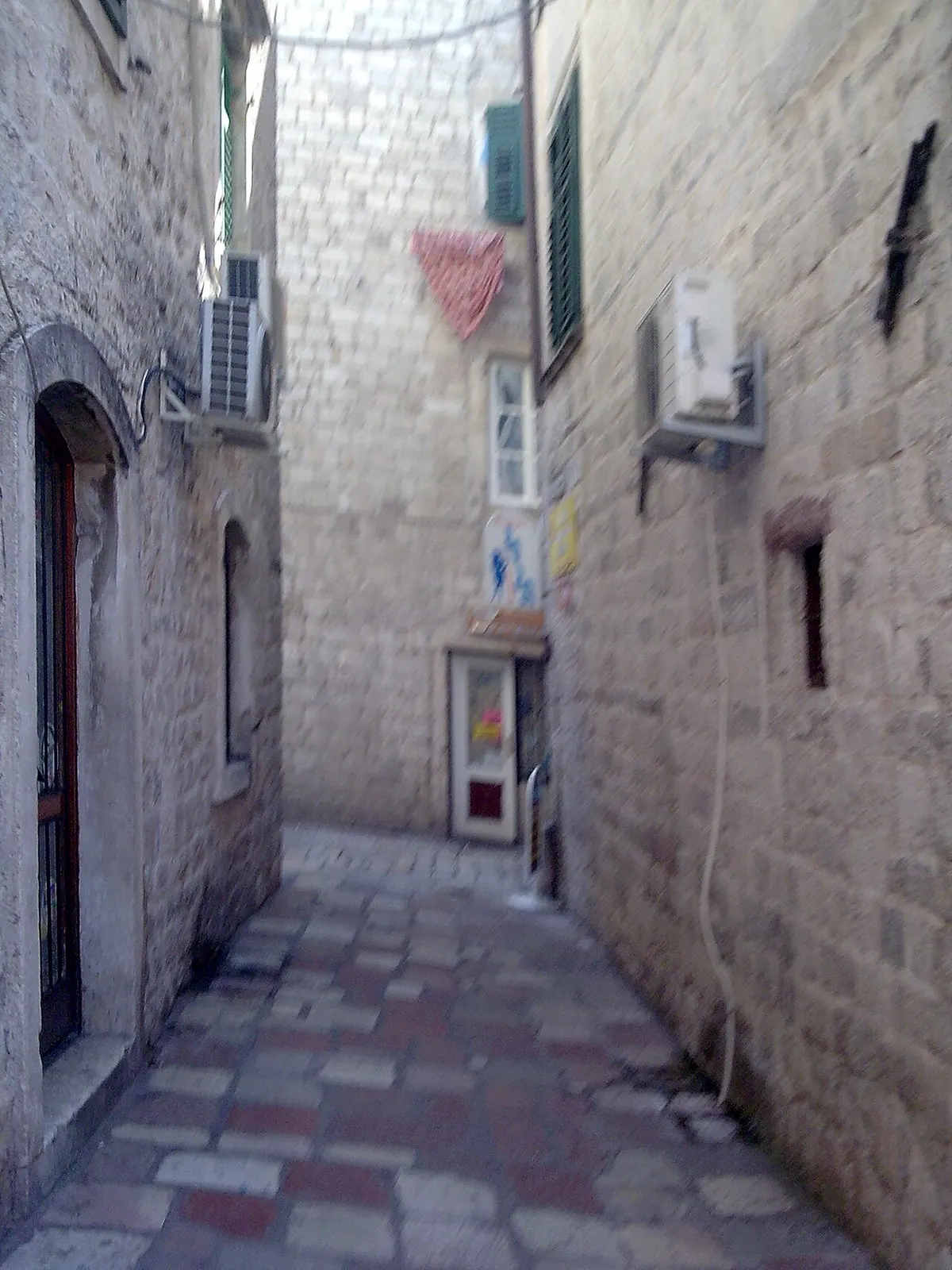
Kotor is a medieval town built long before anyone thought about ramps, so an honest guide has to be clear-eyed — but the picture is far more hopeful than first impressions suggest. The single best thing going for accessibility here is that the Old Town is essentially flat: there's no significant gradient to fight across the walled core, unlike many hill towns on this coast. What you meet instead is the surface — centuries-old cobbles and stone paving that are uneven, sometimes polished slippery, and broken by the odd lip or worn slab. That makes Kotor's challenge one of surfaces and a few key barriers, not relentless climbing.
The realistic summary is this: with a sturdy wheelchair, a companion to help over the rough patches, unhurried timing and a plan that plays to the town's strengths, much of Kotor is genuinely enjoyable for travellers with limited mobility. You'll skip the one big stair-bound experience — the fortress climb — and trade it for the bay's level pleasures, which are arguably just as beautiful. The rest of this guide works through the specifics: the Old Town surfaces, the climb, arriving by ship or transfer, getting around, the step-free things to actually do, and where to stay. Treat any volatile facility detail as something to verify close to your trip.

Old Town surfaces and the fortress climb
Inside the walls, the news is mixed but mostly manageable. Because the Old Town is flat, distances are short and there's no hill to conquer — a real plus. The open squares, Arms Square, Flour Square and the cathedral square among them, are the easiest going, with room to manoeuvre and smoother stretches of paving. The narrow side alleys are tighter and rougher underfoot, with the most uneven cobbles. A sturdy wheelchair plus a companion to ease over the worst patches makes the core of the town accessible to many; a lightweight chair pushed solo may struggle on the cobbles, and a powerchair handles the squares better than the roughest lanes.
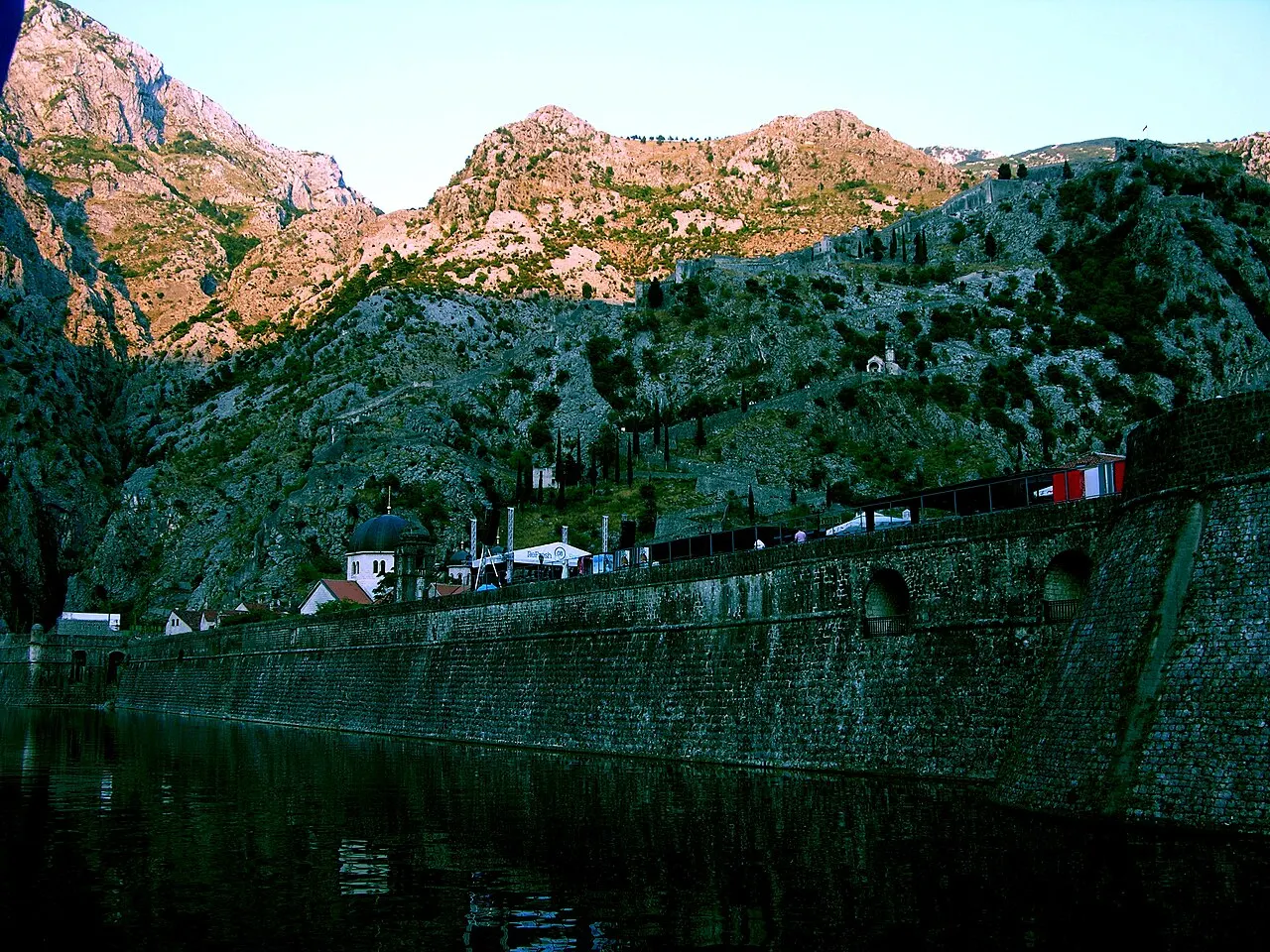
The one experience to set aside is the walls climb to St John Fortress. It's the town's signature view, but it's reached by a long flight of steep, uneven stone steps — roughly 1,350 of them — with no ramp, lift or accessible alternative on the wall route. It is not wheelchair accessible and is genuinely hard for anyone with limited mobility, heart or breathing conditions, or unease with exposed heights. Rather than attempt it, get the famous panorama from the water on a gentle bay trip, from a viewpoint reachable by car, or via the cable car to the heights — and enjoy the rest of the town at the level it actually offers, which is a great deal.
- The Old Town is flat but cobbled — open squares are easiest, side alleys roughest.
- A sturdy chair plus a companion makes the core manageable; a light solo chair may struggle.
- The walls climb is ~1,350 stone steps with no accessible route — skip it.
- Get the panorama from the water, a drivable viewpoint or the cable car instead.
 Best Viewpoints in Kotor
Step-free ways to get the famous view without the staircase.
 Kotor Cable Car
A step-light route to the heights — verify station access.
Map pins
Map data © OpenStreetMap contributors · Tiles © OpenFreeMap
Arriving: by cruise ship, airport transfer or car
How you arrive shapes your day. For cruise passengers, Kotor is one of the kinder Adriatic calls — but only on a dock day. When a ship berths alongside, the quay runs right outside the Old Town walls, the walk to the Sea Gate is short and mostly level, and there's no long transfer to negotiate. When a ship tenders, transferring to a smaller boat and across to the quay, access becomes much harder and some lines restrict tender access for guests who can't manage the step unaided. The single most important thing is to confirm dock-or-tender status for your call and ask your line exactly what help they provide.
Arriving by land, Tivat is the closest airport and a short drive around the bay, with Podgorica and Dubrovnik the wider options. Accessible (ramped or lifted) vehicles are limited in the region, so if you need a wheelchair-accessible transfer, book a specialist operator well ahead and confirm exactly what the vehicle provides. Travellers who can transfer into a car seat with some help, with a folding chair stowed, will find standard taxis and transfers straightforward — just be clear about your needs when you book and allow extra time. A car gives flexibility around the bay, but remember the Old Town is car-free, so you'll arrive at its edge whatever you drive.
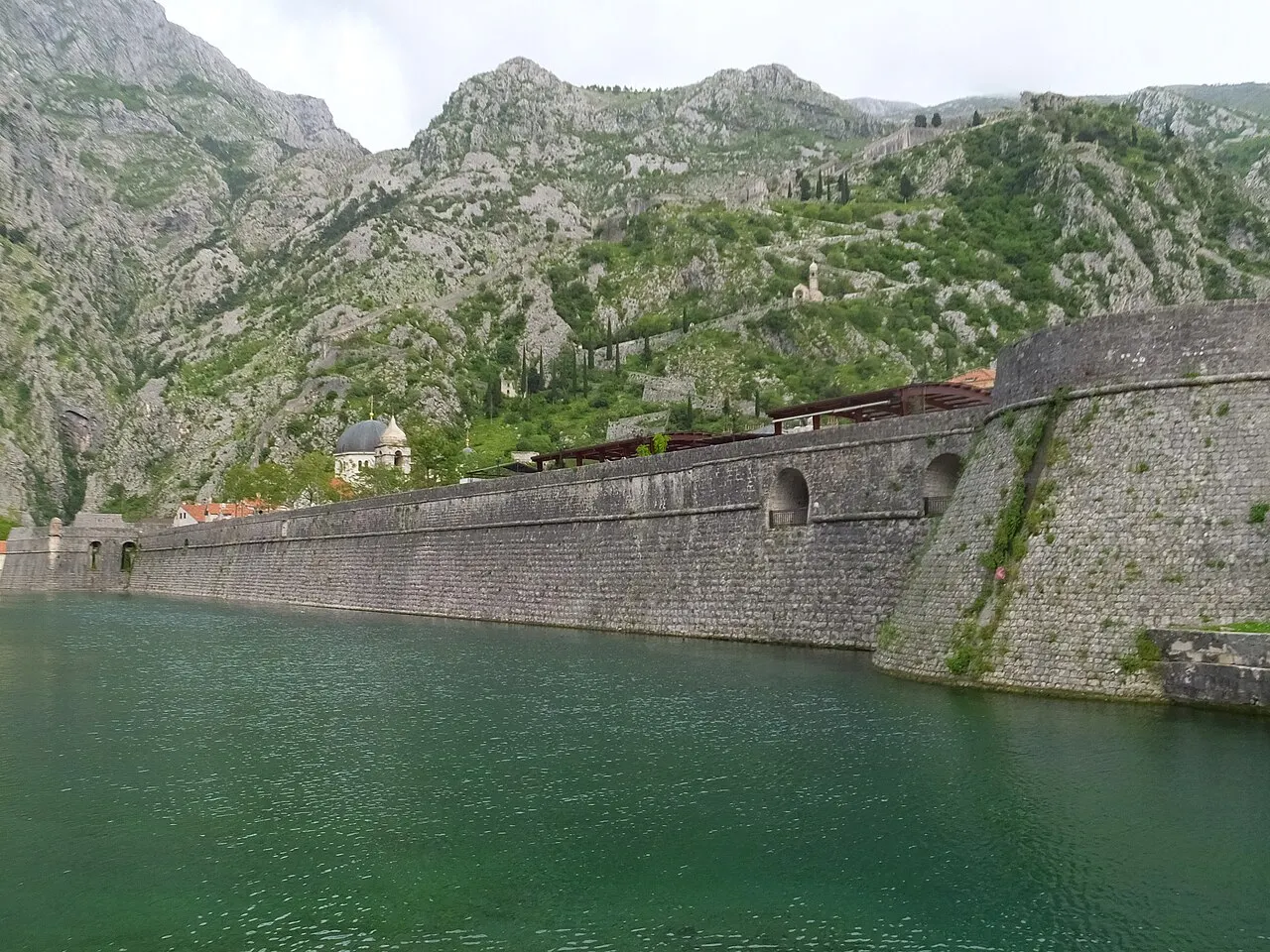
- Cruise dock day: a short, level walk from quay to gate; tender days are far harder — confirm which you'll get.
- Tivat is the closest airport; Podgorica and Dubrovnik are wider options.
- Accessible (ramped) transfers are limited — book specialists well ahead.
- Standard taxis suit those who can transfer with help and stow a folding chair.
Getting around: taxis, boats and the bay
Once you're in Kotor, getting around with limited mobility is about choosing the right tools. Accessible taxis with ramps or lifts are limited, so book a specialist operator in advance for any adapted-vehicle transfer or excursion and confirm what it provides; standard taxis are plentiful and work well for travellers who can transfer into a seat. The bay road is served by buses, but they aren't reliably accessible, so taxis and private transfers are usually the smoother choice for moving between the Old Town, Dobrota, Perast and Tivat.
Boat trips are one of the best ways for a limited-mobility traveller to experience the bay — the water is level, the views rival the climb, and a sheltered Perast and Our Lady of the Rocks loop is gentle and short. The catch is boarding: quays, jetties and boats vary a lot, and some involve a step down or an unsteady transfer rather than a level ramp. A private boat is usually the better bet than a packed group tour, because you can brief the operator on your needs and they can pick a boat and a boarding point that work. Always confirm the boarding arrangement before you pay, and don't commit to anything that depends on a transfer you can't manage.
- Accessible (ramped) taxis are limited — book ahead; standard taxis suit those who can transfer.
- Buses around the bay aren't reliably accessible — taxis and private transfers are smoother.
- A private boat lets you brief the operator and choose a workable boat and jetty.
- Always confirm boarding arrangements and any step-down before you pay.


Step-free things to do: the bay's level pleasures
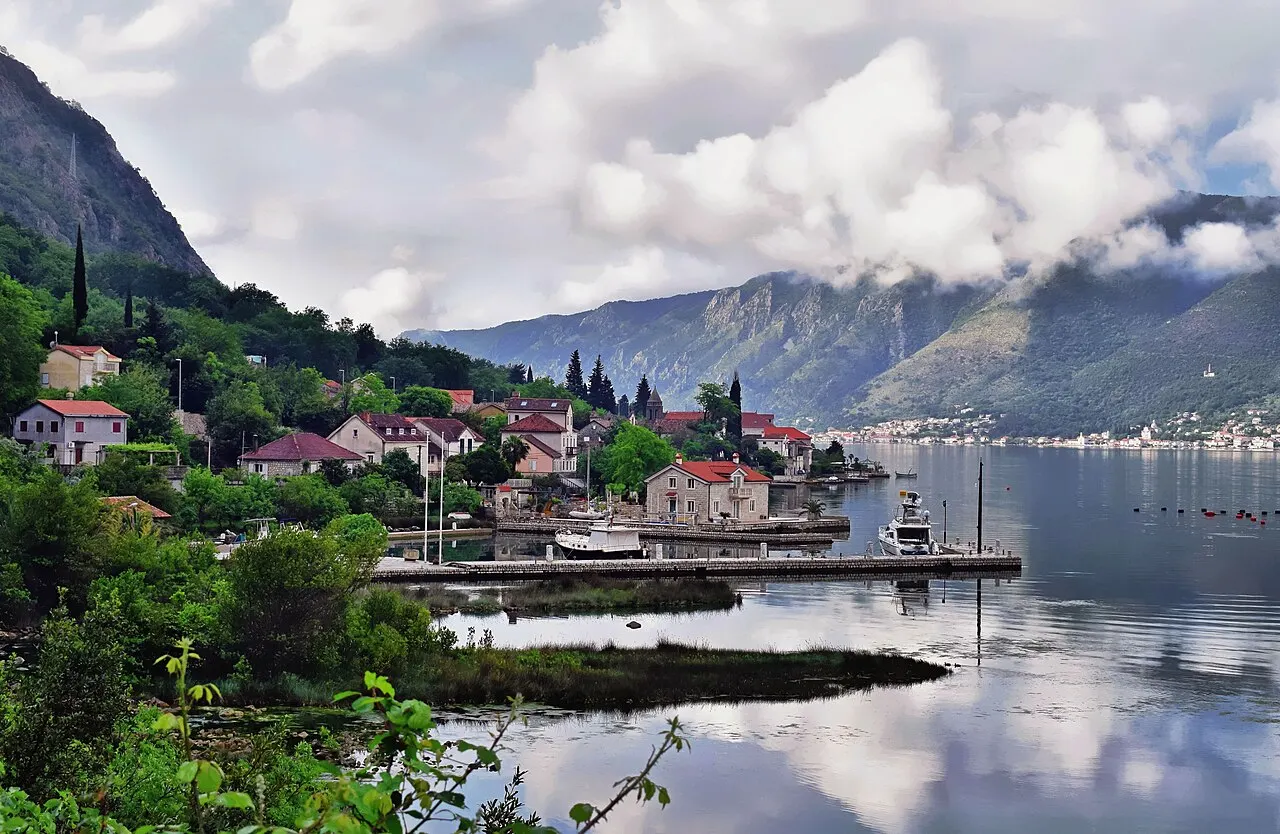
Here's the hopeful heart of an accessible Kotor trip: the town and bay are full of pleasures that need no stairs. The flat squares of the Old Town reward an unhurried wander — coffee in the open, the leaning clock tower, the cathedral square, the sense of a living medieval city — best enjoyed early before the cruise crowds make the cobbles harder to navigate. Just north along the bay, the Dobrota waterfront promenade is a long, level, paved seaside walk with bay views the whole way and Kotor framed across the water: arguably the most accessible-friendly stroll in the area, and a lovely one at golden hour.
Beyond the walk, a gentle private boat trip delivers the bay's signature beauty from level water, and a scenic drive or the cable car offers the famous high panorama without a single step. Some of the bay's museums and the cathedral are at street level or close to it, though others have steps or sit within older buildings, so it's worth checking access for each before you go. The point is that a wonderful, romantic, step-free day in Kotor is entirely possible — flat-square wander, waterfront promenade, a boat or a drive for the views, a long lunch by the water. You lose only the staircase, not the bay.
- The Old Town's flat squares are a fine step-free wander — go early before the crowds.
- The Dobrota promenade is a long, level, paved bay-view walk — the area's most accessible stroll.
- A private boat or a scenic drive/cable car gives the bay's beauty and the high view without steps.
- Check each museum and church for steps individually before relying on it.
Accessible hotels, toilets and facilities
Where you stay matters a lot for an accessible trip, and the same flat-but-medieval pattern applies. Inside the Old Town, atmospheric small hotels and guesthouses occupy historic buildings that often have steps, narrow stairs and no lift, so step-free and adapted rooms are scarce within the walls. Newer hotels and apartments along the bay — in Dobrota, around Tivat and on the flatter waterfronts — are more likely to offer level entry, lifts and adapted bathrooms. Choose your base on access first: a modern bay-side property with a lift and a roll-in shower, a short level transfer from the sights, often beats squeezing into a characterful but stair-bound Old Town room.
Public toilet provision around the Old Town is limited and changeable, and accessible facilities more so, so plan rather than assume. Lean on your hotel, and on cafés and restaurants while you're out — buying a coffee and asking to use the toilet is normal, though not every venue in a medieval building has a step-free or adapted one. If a usable accessible toilet is essential to your timing, scout one early in the day. As ever, we don't print specific facility locations, hours or fees here because they change; treat those — and the exact adapted-room details of any hotel — as things to verify directly with the property before you book.
- Old Town hotels are often stair-bound and lift-free — adapted rooms are scarce within the walls.
- Newer bay-side hotels (Dobrota, Tivat, the flat waterfronts) more often offer level entry and adapted bathrooms.
- Pick your base on access first; verify adapted-room details directly with the property.
- Accessible public toilets are limited — lean on hotels and cafés, and scout one early if timing depends on it.
Planning an accessible Kotor trip: the realistic routing
Pull it together and an accessible Kotor day plans itself around the town's strengths. Start with a level wander of the Old Town's flat squares early, before the cruise crowds thicken the cobbled lanes. Mid-morning, take the Dobrota promenade or a pre-arranged gentle boat trip for the bay views, then a long lunch at a step-free waterfront table. Save the high panorama for a scenic drive or the cable car rather than the staircase, and keep the pace unhurried — uneven surfaces are tiring, and rushing them is where trouble happens. Build in rest stops, and treat the squares' cafés as your basecamp.
The golden rules throughout: confirm dock-or-tender status if you arrive by ship; book accessible taxis, adapted transfers and private boats ahead rather than assuming; brief operators on your needs and confirm boarding before you pay; choose a base on access first; and verify every volatile facility detail close to your dates. Do that and Kotor delivers a genuinely lovely, romantic, mostly step-free trip — the bay's beauty is on the water and at street level, exactly where it's most reachable, and only the staircase is off-limits.
- Routing: flat-square wander early, then the promenade or a boat, a step-free lunch, and a drive/cable car for the view.
- Keep the pace unhurried and build in rest stops — uneven surfaces tire you out.
- Book accessible taxis, transfers and private boats ahead, and brief operators on your needs.
- Confirm dock-or-tender status, choose a base on access first, and verify facility specifics before you travel.

Accessible Hotels & Stays in Kotor
Where to stay in Kotor for step-free access: why the cobbled, stepped, car-free Old Town is the hardest base for limited mobility, the flatter bay alternatives like Dobrota and the modern wider-bay hotels, and the access questions to ask before you book.
Read guide
Accessible Kotor Cruise Port
Step-free cruise-port planning for Kotor — the dock-versus-tender question, the short level walk into the Old Town, the cobbled lanes and stair-bound walls, taxis and boat access, toilets, and which shore excursions fit a wheelchair or limited-mobility traveller.
Read guide
Dobrota Promenade
The waterfront walk north of Kotor: how to stroll, swim and café-hop along Dobrota's seaside promenade, past captains' palaces and bathing ladders, with the walled Old Town and the mountains across the bay the whole way.
Read guideMore in Practical
6
Best Time to Visit Kotor
A month-by-month guide to the best time to visit Kotor, weighing cruise crowds, fortress-climb heat, boat-trip and swimming season, rain, prices and the bay's calendar of events.
Read guide
Driving in Kotor and Montenegro
What it's really like to drive in Kotor and Montenegro: narrow two-lane bay roads and summer traffic, the white-knuckle serpentine, tunnels, the Kamenari–Lepetane ferry shortcut, rental and cross-border cautions, parking, fuel and mountain-route planning.
Read guideDubrovnik to Kotor
How to get from Dubrovnik to Kotor: the cross-border bus, the hire car, the private transfer, the two border crossings and their summer queues, whether it works as a day trip, and when staying overnight is the better call.
Read guide
Getting Around Kotor
How to get around Kotor and the Bay of Kotor: when to walk, take a local bus, hail a taxi, hop a boat, drive and park, use the Kamenari–Lepetane ferry, or book a private driver.
Read guide
How to Get to Kotor
How to get to Kotor: the three nearest airports — Tivat, Podgorica and Dubrovnik across the border — plus bus, car, cruise ship and private transfer, with a practical FAQ.
Read guide
Is Kotor Safe?
Practical, honest safety advice for Kotor — wandering the Old Town, night walks, boat trips, the fortress climb, driving the mountain roads, solo and female travel, and cruise-day crowds.
Read guide