
Hidden Gems in Kotor
The quieter side of Kotor: the lesser-trodden squares and lanes inside the walls, small churches like St Luke and St Nicholas, the bay-shore corners of Dobrota and Prčanj, the Vrmac ridge views, and the low-crowd bay stops the day boats skip.

Photo: Linda Gerbec / Unsplash
- ✓Kotor's best-kept secret is time, not place: the Old Town empties early and late, and the same lanes that swarm at noon are silent at dawn.
- ✓Slip off the main route between the Sea Gate and the cathedral and you find quiet squares, courtyards and lanes most day-trippers never reach.
- ✓Small churches reward the wanderer — St Luke, with its dual Catholic-and-Orthodox history, and Orthodox St Nicholas among them.
- ✓The bay-shore villages of Dobrota and Prčanj hide old captains' churches, ruined palaces and quiet swimming spots a short walk from the crowds.
- ✓Above town, the Vrmac ridge and the old fortifications offer huge bay views with a fraction of the fortress-climb traffic.
- ✓On the water, quieter coves and the far side of the bay let you escape the day-tour conveyor entirely.
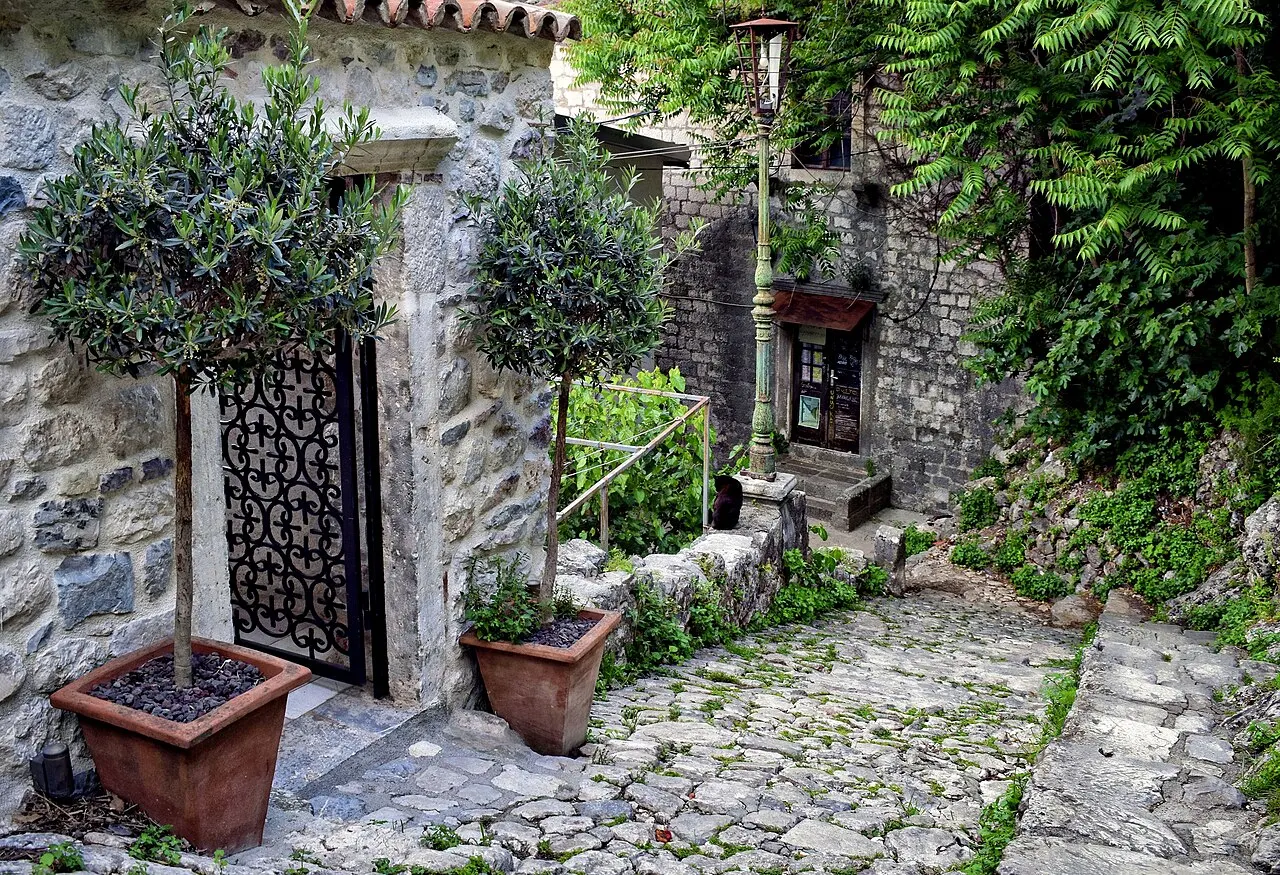
Quiet squares, lanes and courtyards inside the walls
Kotor navigates by squares rather than street names, and beyond the busy trio of Arms, Flour and St Tryphon Squares lie smaller ones that most visitors walk straight past. Seek out the quieter corners — little plazas with a single café table, a stone wellhead, a carved doorway leading into a hushed palazzo courtyard. The town is a layered Venetian-medieval maze, and its pleasure is cumulative: the more side lanes you take, the more it gives up.
Look up, too. Above the shopfronts the Old Town keeps its old self — coats of arms over doorways, weathered Latin inscriptions, balconies and loggias, the backs of palaces that face away from the crowds. The arcaded courtyards of some converted-palace hotels are open to non-guests for a coffee, and they are among the calmest, loveliest spaces in town. None of this needs a ticket; it needs only that you slow down and wander off the main flow.
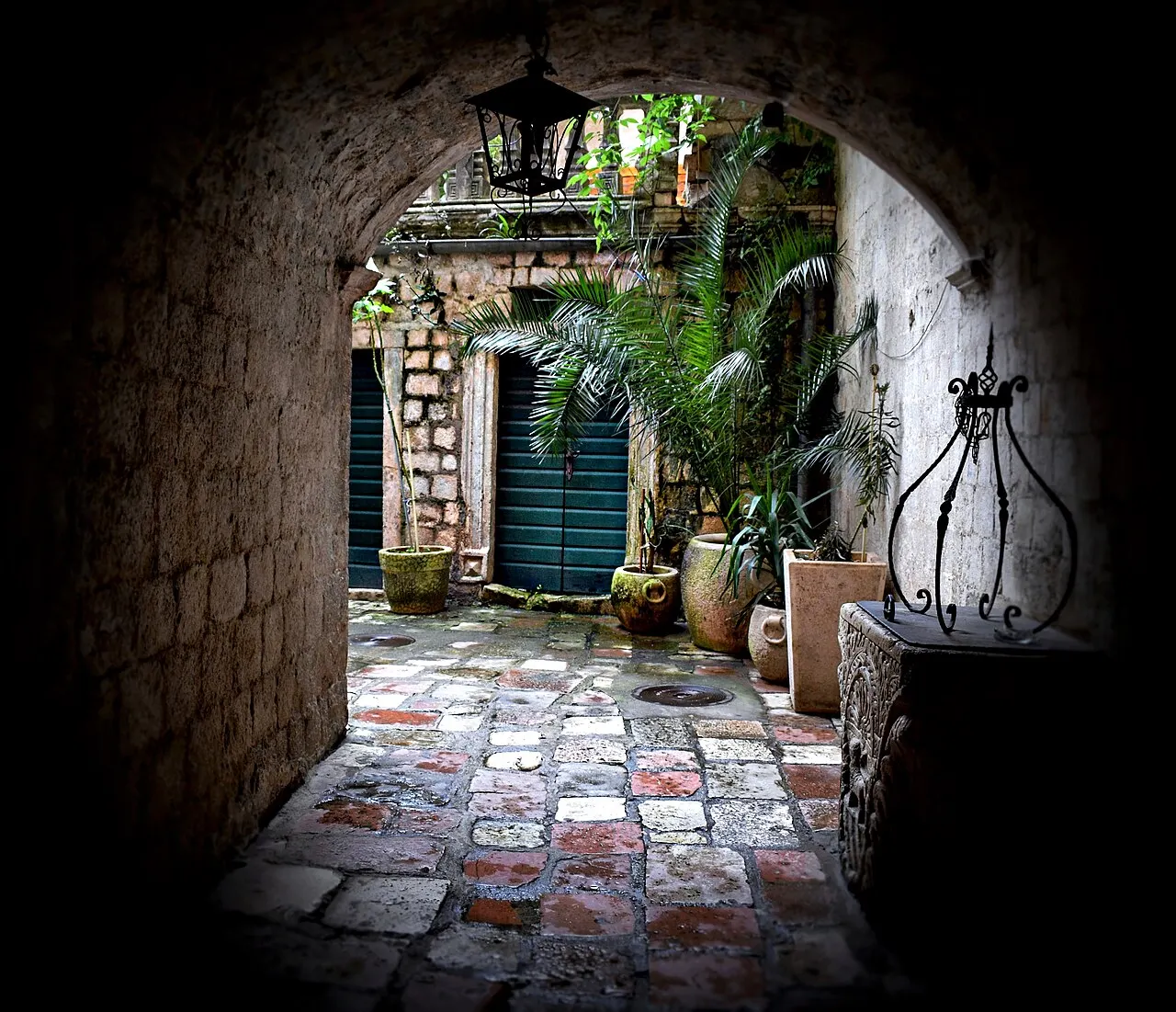
- Aim for the smaller squares beyond Arms, Flour and St Tryphon — fewer people, more character.
- Step through open courtyard doors into quiet palazzo interiors.
- Look up for coats of arms, inscriptions, loggias and balconies the crowds miss.
- Several converted-palace hotel courtyards welcome non-guests for a calm coffee.
 Kotor at Night
The same quiet squares at their most atmospheric after the ships sail.
Romantic KotorThe hushed courtyards and lanes that make the town romantic for two.
Map pins
Map data © OpenStreetMap contributors · Tiles © OpenFreeMap
Small churches with big stories
Everyone visits St Tryphon Cathedral, and they should — but Kotor's smaller churches are where the town's layered history shows most quietly. The little church of St Luke, dating from the 12th century, is the standout: for centuries it served both Catholic and Orthodox worshippers, and at one time held two altars side by side, a rare and moving emblem of the bay's mingled faiths. It sits on its own small square that most day-trippers hurry past.
Nearby, the Orthodox church of St Nicholas, though much newer, anchors a quiet square with its dark towers and rich icons. Scattered through the lanes are other modest churches and chapels, often with doors open and almost no one inside — places to sit a few minutes in the cool stone hush. Visiting hours and any small entry contributions vary, so check locally rather than assume; the reward is having centuries of devotion almost to yourself.
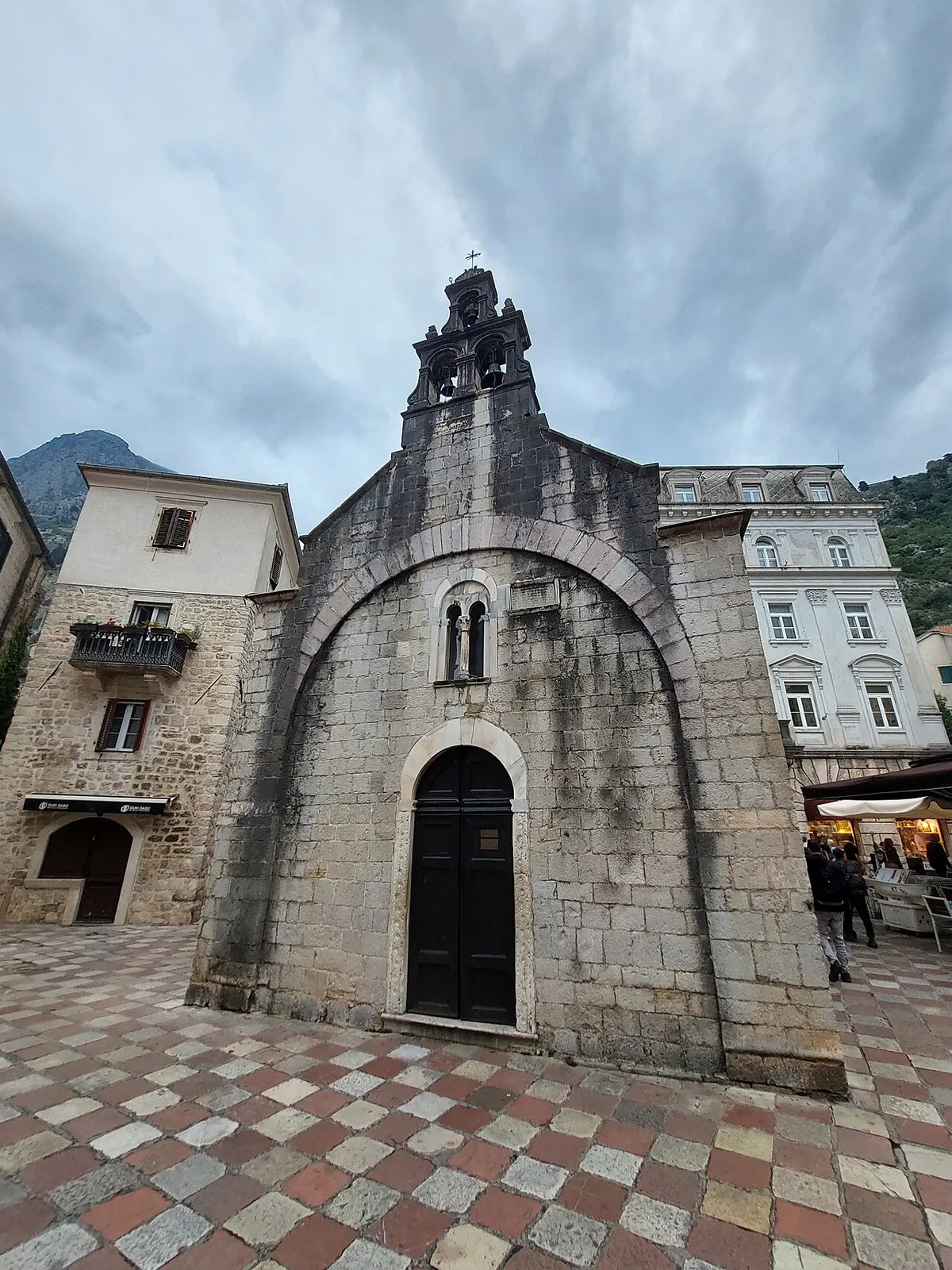
- St Luke (12th century) — once shared by Catholic and Orthodox congregations, a symbol of the bay's mingled faiths.
- St Nicholas — the Orthodox church anchoring a quiet square with its dark towers and icons.
- Smaller chapels through the lanes often sit open and empty — perfect for a quiet pause.
- Verify any visiting hours or entry contribution locally; they vary by season.

Bay-shore corners: Dobrota, Muo and Prčanj
Step outside the walls and along the bay and you leave the crowds behind almost entirely. North of town, Dobrota stretches for kilometres of old captains' houses, small private chapels and a waterfront promenade where locals swim from ladders and platforms — a slow, residential side of the Boka that few day visitors ever see. Look for the old stone churches set right on the water and the faded grandeur of the seafarers' mansions.
On the opposite shore, Muo and then Prčanj are quieter still. Prčanj hides a grand, half-finished church above the bay and a long, peaceful waterfront looking straight across at Kotor under its mountain. These villages are a short walk, drive or boat from the Old Town, yet a world away in pace — the place to swim, to eat at a waterfront konoba with room to breathe, and to watch the town light up across the water at dusk. They reward the traveller willing to wander beyond the gates.
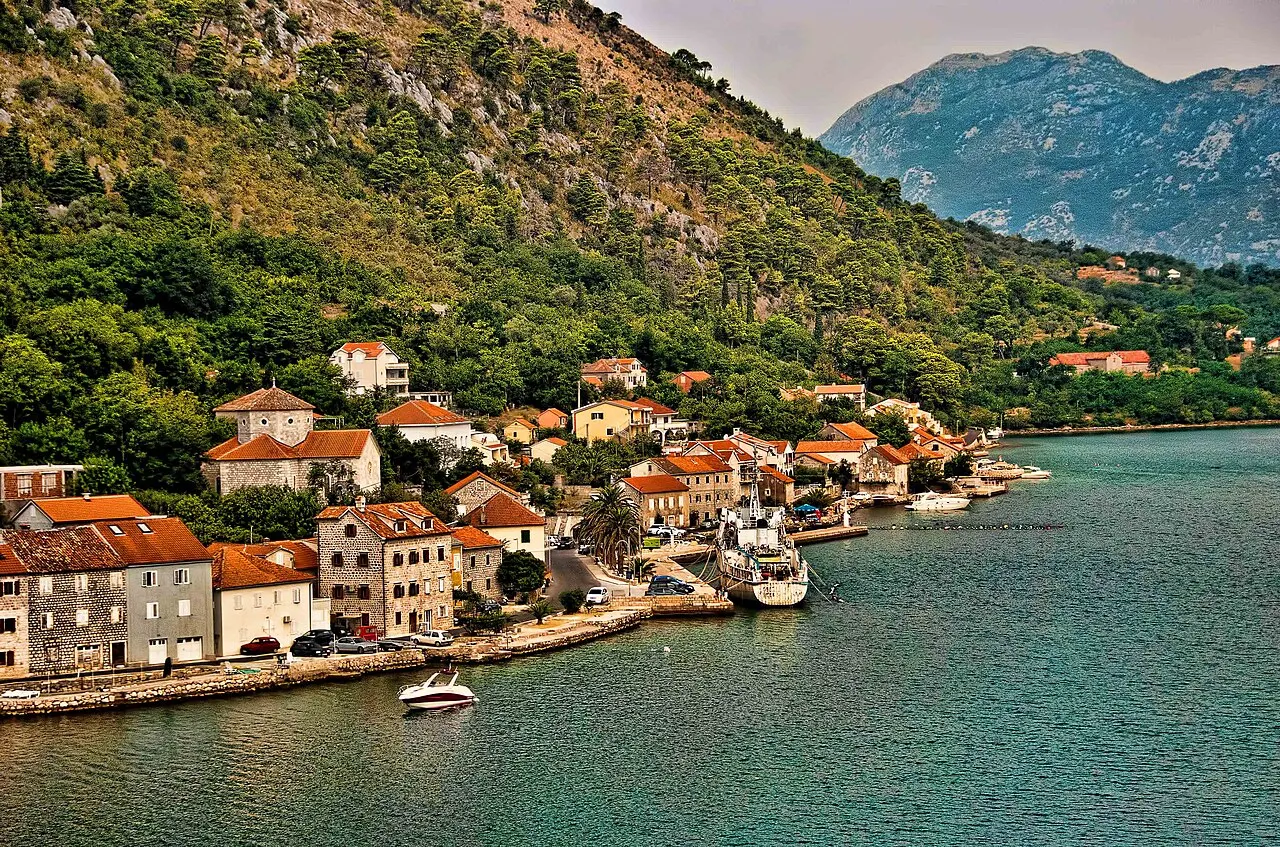
- Dobrota — old captains' houses, private chapels and a quiet swimming promenade north of town.
- Prčanj — a grand half-finished church above a peaceful waterfront facing Kotor.
- Muo — a calm, residential shore with deep-water swims and few visitors.
- All a short walk, drive or boat from the Old Town, yet far from the crowds.
Big views without the fortress crowds: the Vrmac ridge
Everyone climbs the city walls to St John Fortress, and it is rightly famous — but it is also the busiest viewpoint in town. For huge bay panoramas with a fraction of the traffic, look to the Vrmac ridge, the long mountain spine that separates the inner Bay of Kotor from Tivat. Walking and cycling trails run along it, past the ruins of an old Austro-Hungarian fortress, with sweeping views down over the whole double bend of the bay. It is a proper bit of country a short way above a town most people never leave.
Higher still, the old serpentine road and the cable-car route toward Lovćen reach grand bird's-eye outlooks over Kotor and the Verige strait, and the halfway Church of Our Lady of Remedy on the wall climb itself offers most of the fortress view for half the steps and crowds. Any of these gives you the photograph people come for without the queue. Bring water and decent shoes, start early in summer, and verify trail access and any cable-car operating details before you set out.
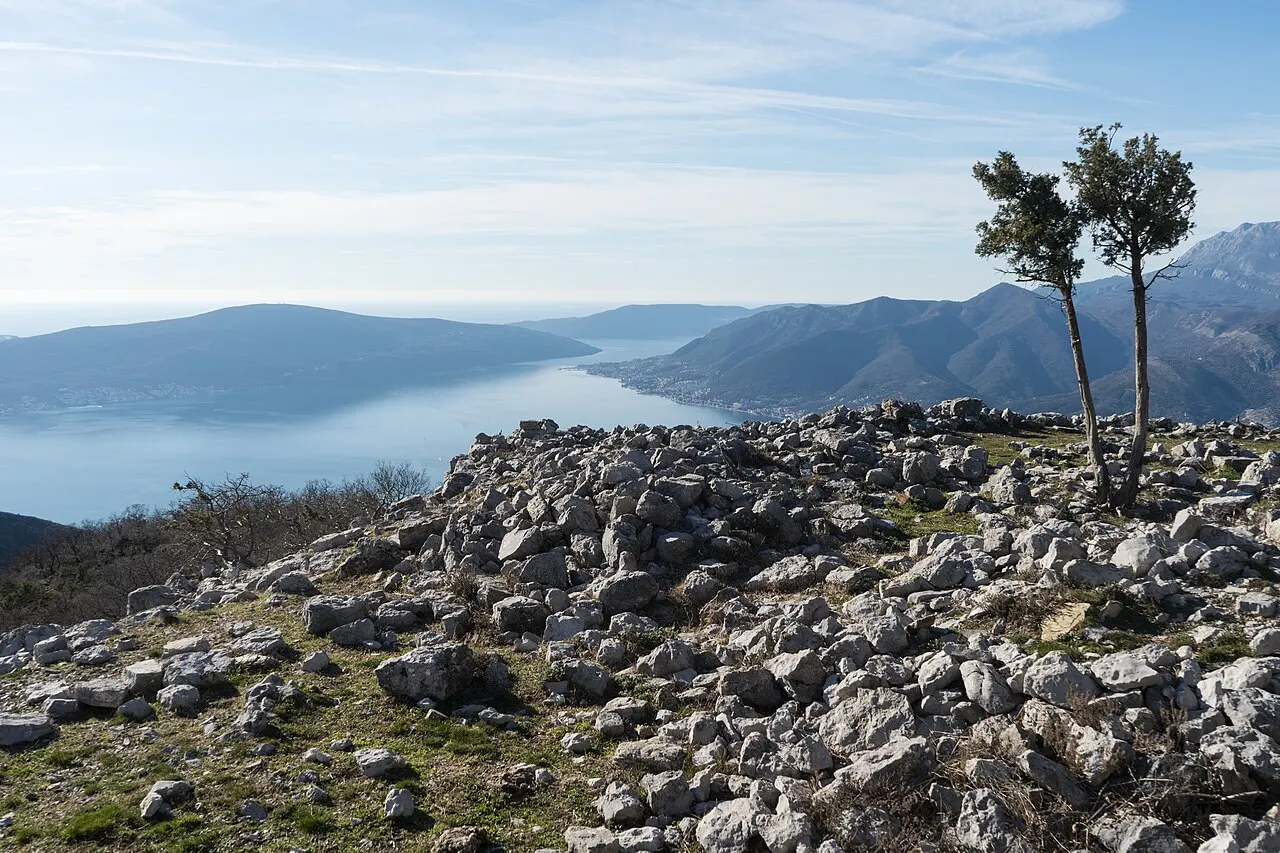
- Vrmac ridge — walking and cycling trails with huge bay views and far fewer people than the fortress.
- Old Austro-Hungarian fort ruins punctuate the ridge walk.
- The Lovćen serpentine road and cable-car route reach grand high outlooks over the bay.
- Half-measure: the wall climb's halfway Church of Our Lady of Remedy gives most of the view for half the steps.


Low-crowd stops on the water
The day-tour boats run a well-worn loop — Perast, Our Lady of the Rocks, sometimes the Blue Cave — and at midday those stops can be busy. The hidden-gem move on the water is to go off-schedule: take a private boat or a small early or late trip, and ask to stop where the big tours do not, in the quiet coves below Prčanj, Stoliv and the Vrmac shore, or simply to swim somewhere with no one else around. The same bay, read at the wrong time for the crowds and the right time for you.
Even the famous stops reward better timing. Perast's waterfront is magical in the early morning or at dusk, before and after the tour traffic, and Our Lady of the Rocks is far calmer outside the midday rush. Risan, around the bay, hides Roman floor mosaics that few visitors bother with. The principle is the same on water as on land: avoid the middle of the day, follow the lesser route, and Kotor's busiest sights turn quiet. Always confirm a boat is running before you build a plan around it.
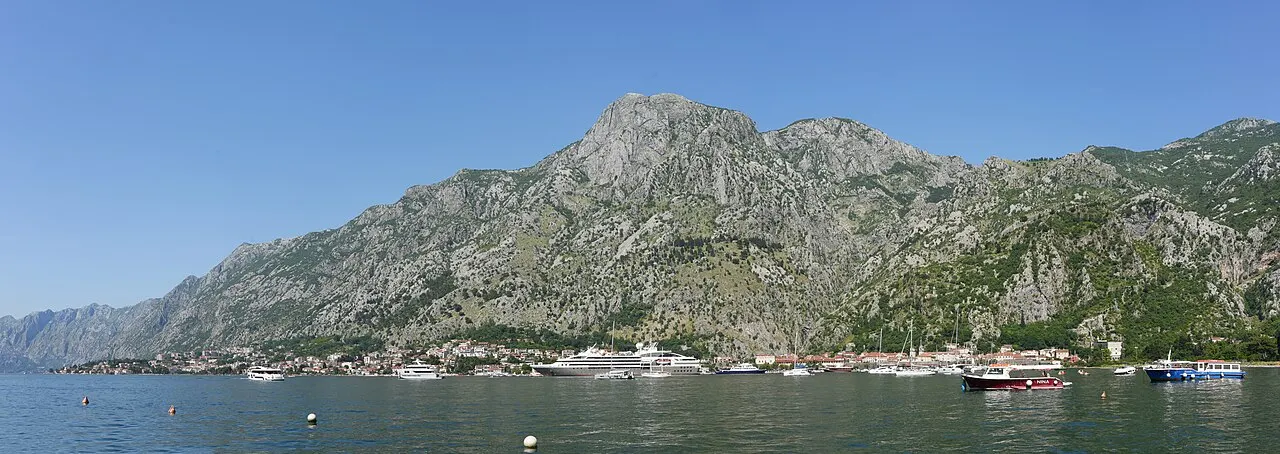
- Go off-schedule: a private or early/late boat reaches quiet coves below Prčanj, Stoliv and Vrmac.
- Even Perast and Our Lady of the Rocks are calm and lovely outside the midday rush.
- Risan's Roman mosaics, around the bay, are a genuinely overlooked stop.
- Verify the boat is running before planning — weather and sea rule the bay.


Things to Do in Kotor
The best things to do in Kotor: the walled Old Town and its squares, St Tryphon Cathedral, the climb to St John Fortress, the cats, the viewpoints and a boat out onto the bay.
Read guideKotor at Night
Kotor after dark: the floodlit fortress and walls tracing the mountainside, the quiet lamplit Old Town once the ships sail, wine bars and konobas, blue-hour photography from the bay, live music in the squares, and where the nightlife gets loud.
Read guide
Beaches Near Kotor
Where to swim near Kotor: the honest truth about the inner-bay town beaches, the quieter bay swims at Dobrota, Prčanj, Stoliv and Muo, the clear-water Luštica coves like Žanjice, and the sandy options down the coast at Budva.
Read guideMore in Things to Do
6
Aquarium Boka
Visit Aquarium Boka, Montenegro's public aquarium in Dobrota just north of Kotor's Old Town — what's inside, family timing, tickets, the species on show, and the flat bay-side walking route to reach it.
Read guide
Bay of Kotor Scenic Drives
The best drives around the Bay of Kotor: the shoreline loop through Perast and the captains' villages, the white-knuckle Kotor–Lovćen serpentine, the Kamenari–Lepetane ferry shortcut, plus photo stops, summer traffic and driving cautions for each.
Read guideBest Tours in Kotor
Which Kotor tour to book and why: Old Town walking tours, the fortress climb guided or solo, bay boat trips to Perast and the Blue Cave, food and wine tours, Lovćen and Cetinje mountain day trips, cruise shore excursions, and private boats and yacht charters.
Read guide
Best Viewpoints in Kotor
The best viewpoints over the Bay of Kotor, ranked by effort and payoff — St John Fortress, the halfway church, the Ladder of Kotor, the cable car, the Vrmac ridge, the serpentine roadside pullouts and the angle from the water.
Read guide
Cats of Kotor
Why cats are part of the Kotor experience — the maritime backstory, where to find them in the Old Town, how to photograph and feed them responsibly, and the small charities that care for the bay's free-roaming cats.
Read guideDobrota Promenade
The waterfront walk north of Kotor: how to stroll, swim and café-hop along Dobrota's seaside promenade, past captains' palaces and bathing ladders, with the walled Old Town and the mountains across the bay the whole way.
Read guide