
Kotor Without a Car Itinerary
How to enjoy Kotor and the Bay of Kotor entirely car-free: a walkable Old Town, the bus station just outside the walls, local buses along the bay, boats to Perast, taxis to fill the gaps, and honest verdicts on which day trips work without a car.

- ✓Kotor is one of the easiest Adriatic towns to enjoy car-free: the Old Town is car-free by design, and you can cross it on foot in ten minutes.
- ✓The bus station sits just outside the walls, a few minutes from the Sea Gate, and links the bay villages, Tivat, Budva, Herceg Novi and beyond.
- ✓Boats to Perast and Our Lady of the Rocks, plus local buses along the bay, cover the classic sights without a hire car.
- ✓Taxis and pre-booked transfers fill the gaps — to the airport, late at night, or where buses thin out — so you are never truly stranded.
- ✓A car is actively a liability in the Old Town; the only day trips that really want one are the high mountain runs to Lovćen, Cetinje and the far north.
Why Kotor is made for a car-free trip
Of all the ways to travel the Bay of Kotor, going without a car is the most underrated — and for many visitors the most sensible. The Old Town is car-free by design: a walled, medieval tangle of stone lanes where no vehicle goes and where a car parked outside is a daily headache rather than a help. Inside the walls you walk everywhere, cross the whole town in about ten minutes, and never once wish you were driving. The single biggest reason to skip the hire car is that the place you have come to see does not want one.
Beyond the walls, the bay is unusually well-served for somewhere this small. Kotor's main bus station sits just outside the Old Town, a few minutes' walk from the Sea Gate, and acts as the hub for the whole coast — buses run along the bay to the villages, around to Tivat and Budva, out toward Herceg Novi, and further afield. Small boats run the classic trip to Perast and Our Lady of the Rocks. Taxis and pre-booked transfers fill in everything else, from the airport run to a late dinner across the water. Put together, they let you do the great majority of a Kotor trip — town, walls, bay, Perast, a beach, several day trips — without ever touching a steering wheel.
This page lays out a realistic car-free shape for a few days in Kotor, then gives honest verdicts on the day trips: which are genuinely easy without a car, which take a bit of planning, and which really do reward driving (or an organised tour). Fares, timetables and taxi prices all move with the season and the operator, so we keep them out of the prose and flag them to verify — always check the current schedule before you build a day around a single bus.

Step 1 — Getting to Kotor without driving
The car-free trip starts at the airport. Tivat airport is closest to Kotor, a short ride around the bay, and is the handiest arrival for the Boka; Podgorica, the capital's airport, is further inland, and Dubrovnik across the Croatian border is a common entry point too, though it adds a border crossing. From any of them, the simplest car-free option is a pre-booked private transfer or a taxi straight to your accommodation — fixed-price, door-to-door, and worth it after a flight, especially if you are staying inside the walls where the driver can only get you to the nearest gate.
If you are travelling light and on a budget, buses also serve the coast: there are services linking the airports and the main coastal towns to Kotor's bus station, from where it is a few minutes' walk to the Old Town. This takes longer and means a transfer or two, but it is cheap and perfectly doable with a small bag. Whichever way you arrive, agree the fare or book the transfer in advance rather than haggling on the spot, and remember that the last stretch into the Old Town will always be on foot — pack so you can wheel or carry your bag over cobbles.
- Tivat airport is closest; Podgorica and Dubrovnik (across the border) are the wider options.
- Easiest car-free arrival: a pre-booked private transfer or taxi, door-to-door and fixed-price.
- Cheaper: buses from the airports and coastal towns to Kotor's bus station, then a short walk in.
- The last stretch into the car-free Old Town is always on foot — pack for cobbles. Verify transfer prices and bus times.
 Getting to Kotor
Airports, transfers and the routes into the bay, with the car-free options spelled out.
 Where to Stay in Kotor
How your base shapes a car-free trip — walkability versus quiet across the bay.
Map pins
Map data © OpenStreetMap contributors · Tiles © OpenFreeMap
Step 2 — Day one: the Old Town and the walls, all on foot
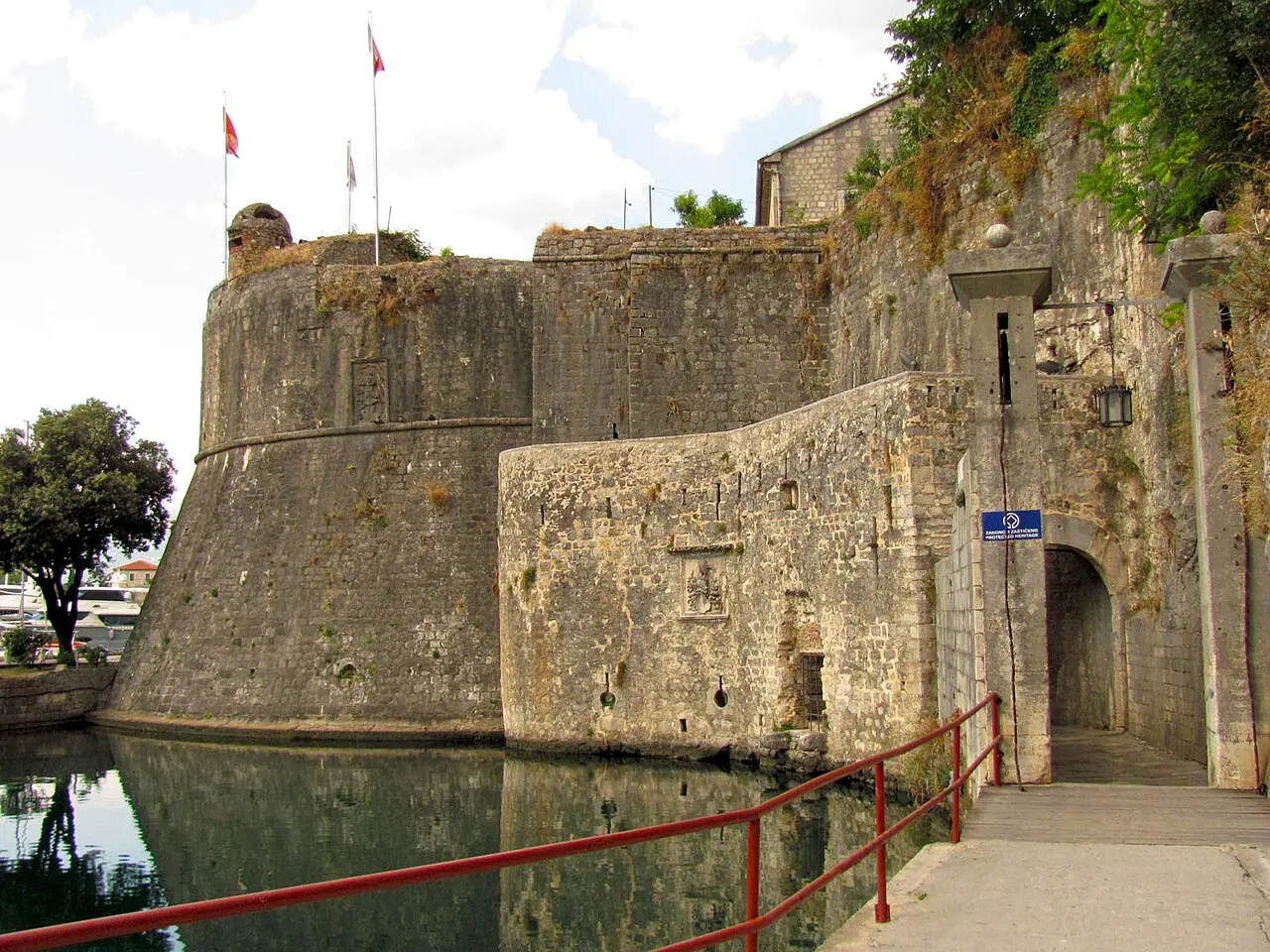
Your first car-free day needs no transport at all. Enter through the main Sea Gate into the Square of Arms, get pleasantly lost in the lanes, and let the town reveal itself: the Cathedral of St Tryphon, consecrated in 1166, with its mismatched Romanesque towers; the smaller churches; the squares that the town navigates by instead of street names; and the cats that are its unofficial mascots. The whole Old Town is a ten-minute walk corner to corner, so the day is about lingering, not covering ground.
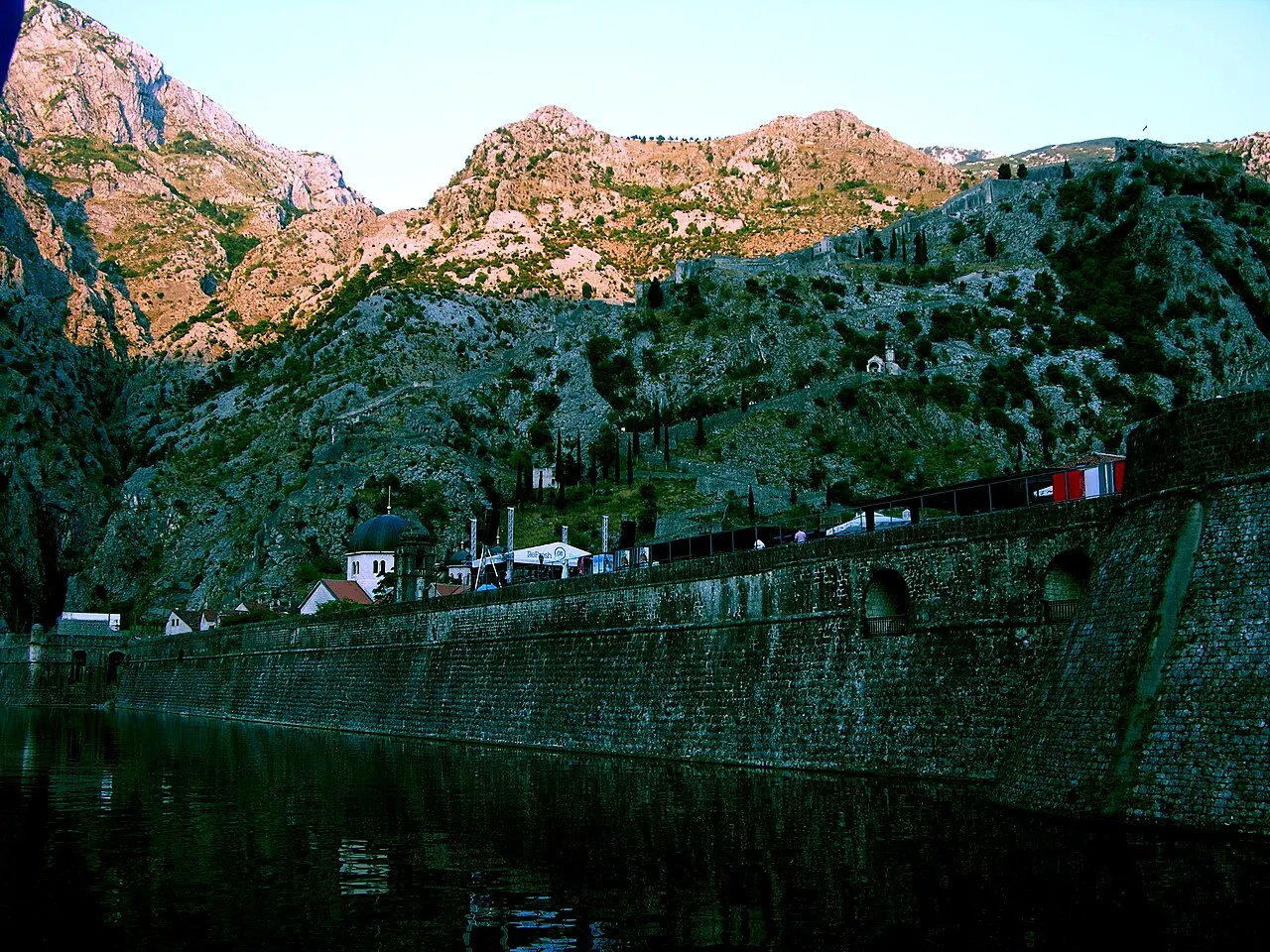
The one demanding thing is also entirely on foot: the climb up the city walls to St John Fortress, the view everyone comes for. From a gate at the back of the Old Town the path rises in uneven stone steps — field estimates put it near 1,350 steps and roughly 260 m of climb — to the fortress at the top. Go at first light or in the late afternoon to dodge the midday heat and the cruise crowds; a seasonal ticket usually applies in the warmer months, so verify the current price and hours. With the walls, the cathedral and a long lunch off the main square, day one fills itself without a wheel turning.
- The Old Town is a ten-minute walk corner to corner and entirely car-free — day one needs no transport.
- Wander the squares, St Tryphon Cathedral and the lanes, then climb the walls to St John Fortress on foot.
- Climb at first light or late afternoon to beat the heat and crowds; verify the seasonal ticket and hours.
- Eat a lane or two off the main square for better value — everything is walkable from the gate.


Step 3 — Day two: Perast by boat or bus, and the bay villages
The bay is where car-free Kotor really proves itself, because the most rewarding way to see it is not by car anyway — it is by boat. Small boats run the short, sheltered hop up the bay to Perast and out to the island church of Our Lady of the Rocks, and they leave from the Kotor waterfront just outside the walls. This is the single best half-day on the Boka, and a hire car would only get in the way. If you would rather go independently, the regular Kotor–Risan bus stops at Perast on the bay road, dropping you a short walk from its baroque waterfront, where you pick up an island boat at the quay.
Closer to home, the same buses and your own two feet open up the bay villages. Dobrota stretches north from Kotor along a flat, walkable waterfront promenade — you can stroll it from the Old Town. Across the water, Prčanj and Muo are a short bus or boat away, with calmer waterfronts and bay-view cafés. None of this needs a car; the bay road is well served, and a taxi covers any gap, such as getting back after the last bus on a summer evening. Verify current bus and boat departures before you set out, as both thin out off-season.
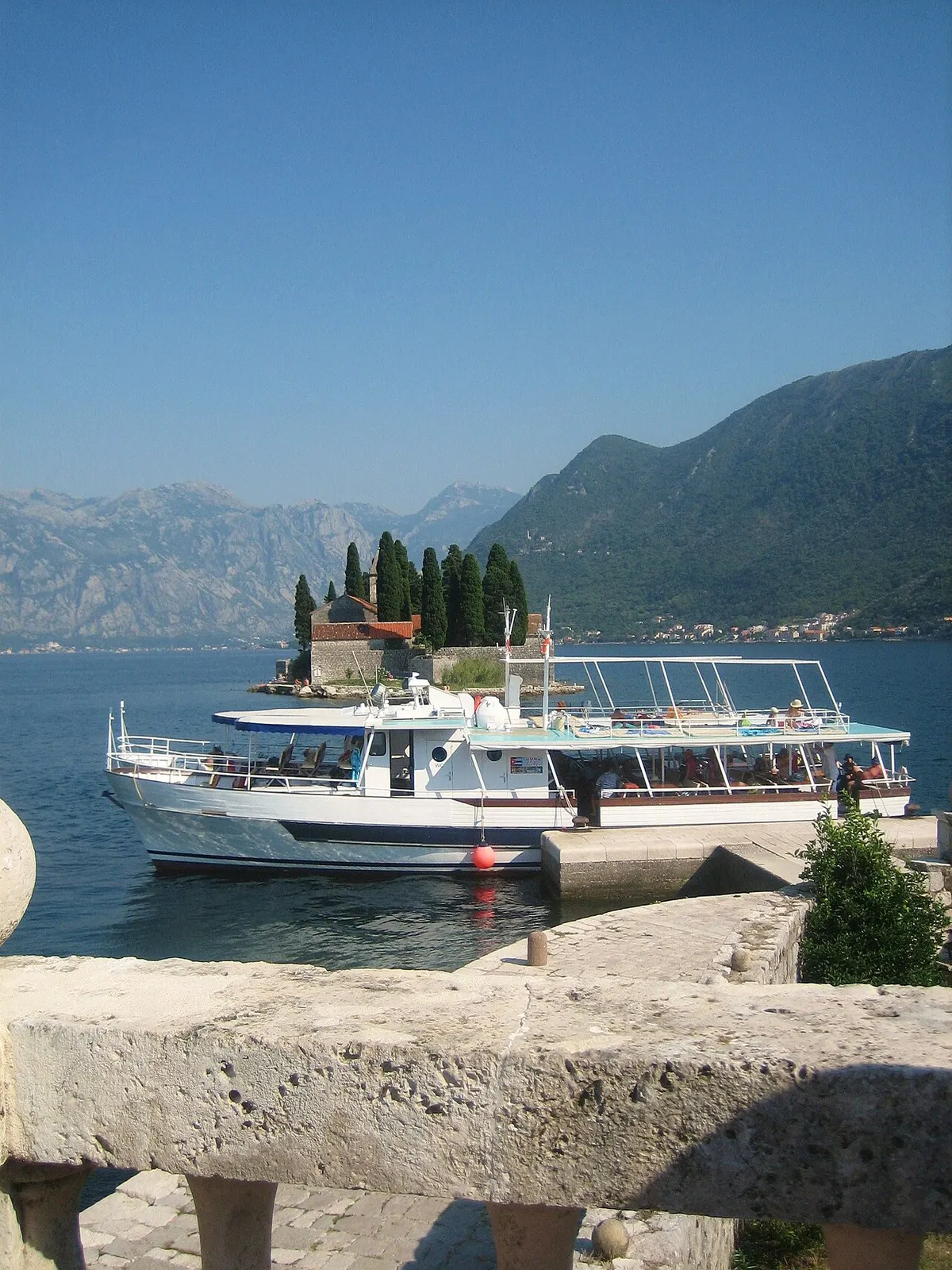
- Best of the bay car-free: a boat to Perast and Our Lady of the Rocks from the Kotor waterfront — no car needed or wanted.
- Independent option: the Kotor–Risan bus stops at Perast on the bay road, a short walk from the quay.
- Walk the Dobrota promenade from town; reach Prčanj and Muo by short bus or boat.
- Taxis cover the gaps, like the ride home after the last bus. Verify bus and boat times, which thin out off-season.

Step 4 — Day-trip verdicts: what works without a car (and what doesn't)
Here is the honest reckoning on Kotor's bigger day trips, car-free. The easy wins are the coastal ones served by frequent buses from Kotor's station. Budva, with its walled old town and beaches, is a short, regular bus ride down the coast. Tivat, with Porto Montenegro's marina and restaurants, is close around the bay by bus. Herceg Novi, at the bay mouth, is a longer but straightforward bus run. All three are comfortably doable on public transport, with a walk or a short local taxi at the far end — no hire car required.
The trips that genuinely reward a car — or an organised tour, which is the smart car-free workaround — are the high mountain runs. Lovćen National Park, Njegoš's mausoleum and the old royal capital of Cetinje sit up a dizzying serpentine road that buses do not really serve for a flexible day, and the wild north — the Tara Canyon and the Durmitor highlands — is further still. For these, book a small-group or private tour from Kotor: you get the views and the serpentine drive without driving it yourself, and someone else worries about the bends. Dubrovnik across the border is doable by bus but slow, with summer queues at the crossing; a tour or transfer is often the saner car-free way. The rule of thumb: coast and bay are easy without a car; mountains and borders want a tour.
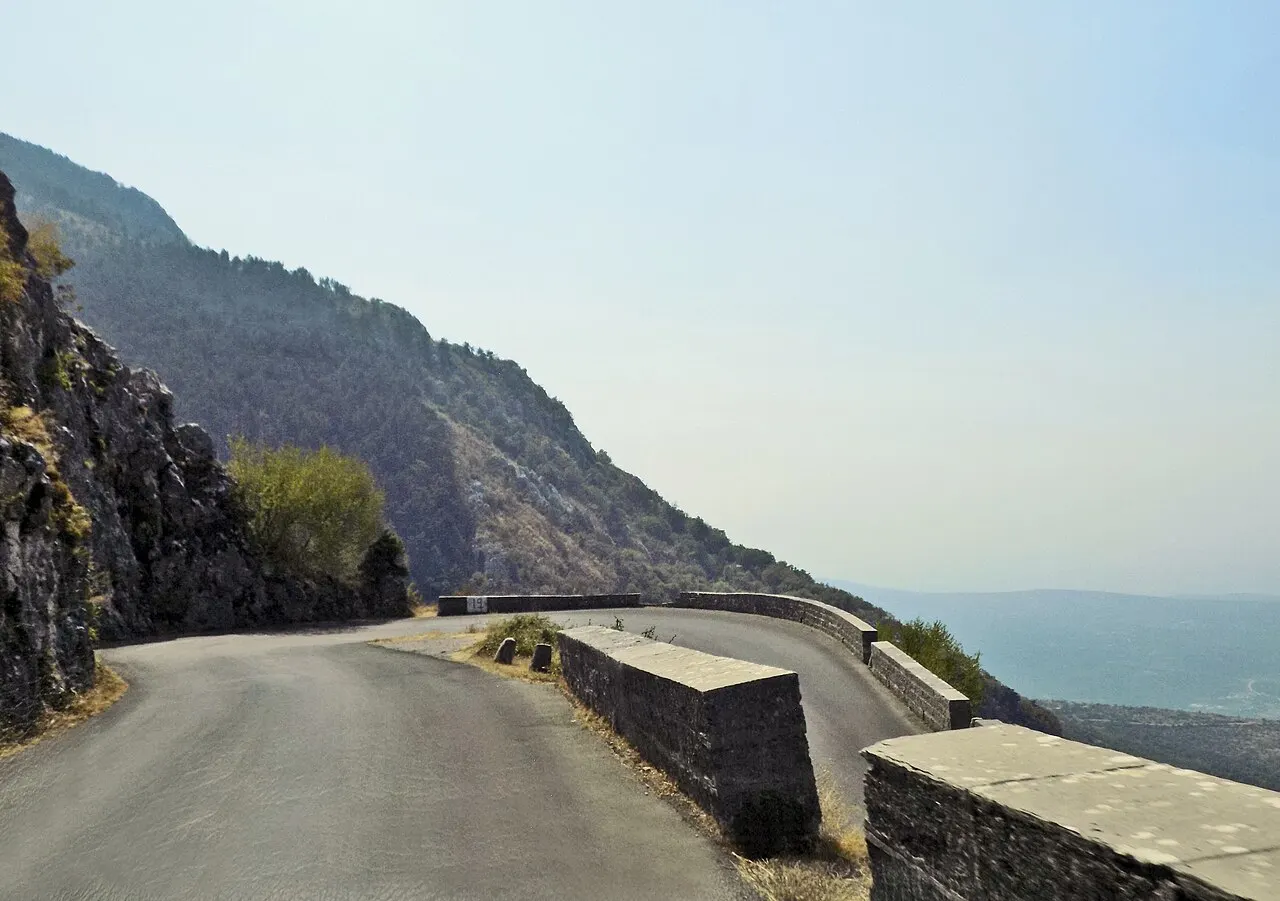
- Easy by bus, no car needed: Budva (beaches and walled town), Tivat (Porto Montenegro), Herceg Novi (bay mouth).
- Best done car-free via an organised tour: Lovćen, Cetinje and the Njeguši mountain run — the serpentine road.
- Tour or transfer makes most sense for: the far north (Tara Canyon, Durmitor) and Dubrovnik across the border.
- Rule of thumb: coast and bay are easy without a car; mountains and borders want a tour, not a hire car.
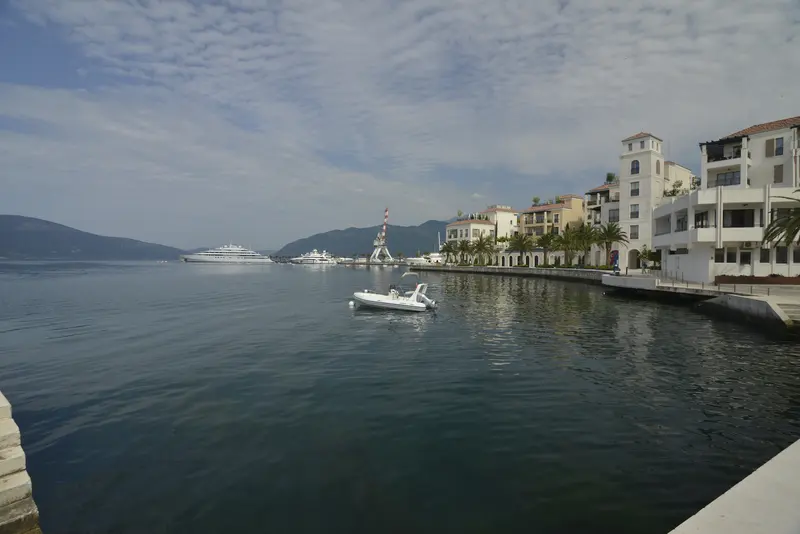
Step 5 — Buses, boats and taxis: how the pieces fit
The backbone of a car-free Kotor trip is the bus station, just outside the Old Town walls and a few minutes from the Sea Gate. From here, intercity coaches reach the wider country and frequent local buses thread the coast and the bay; you buy tickets at the counter or, for short hops, sometimes from the driver, and a small charge often applies for stowed luggage. Services are good in season and thinner off it, so always check the current timetable rather than trusting yesterday's — the schedule is exactly the kind of volatile detail we leave to verify.
Boats handle the bay's signature trips, leaving from the waterfront; taxis handle everything else. Kotor's taxis are plentiful, and for set runs — the airport, a late return, a cross-bay dinner — agree the fare or use a metered, reputable operator rather than flagging an unknown car. Pre-booked transfers are the painless choice for airport runs. Put the three together and the gaps in the bus map close: bus for the long, predictable legs, boat for the bay, taxi or transfer for the awkward last mile and the late nights. You will not miss the car — and you will save yourself the daily puzzle of where to park it.
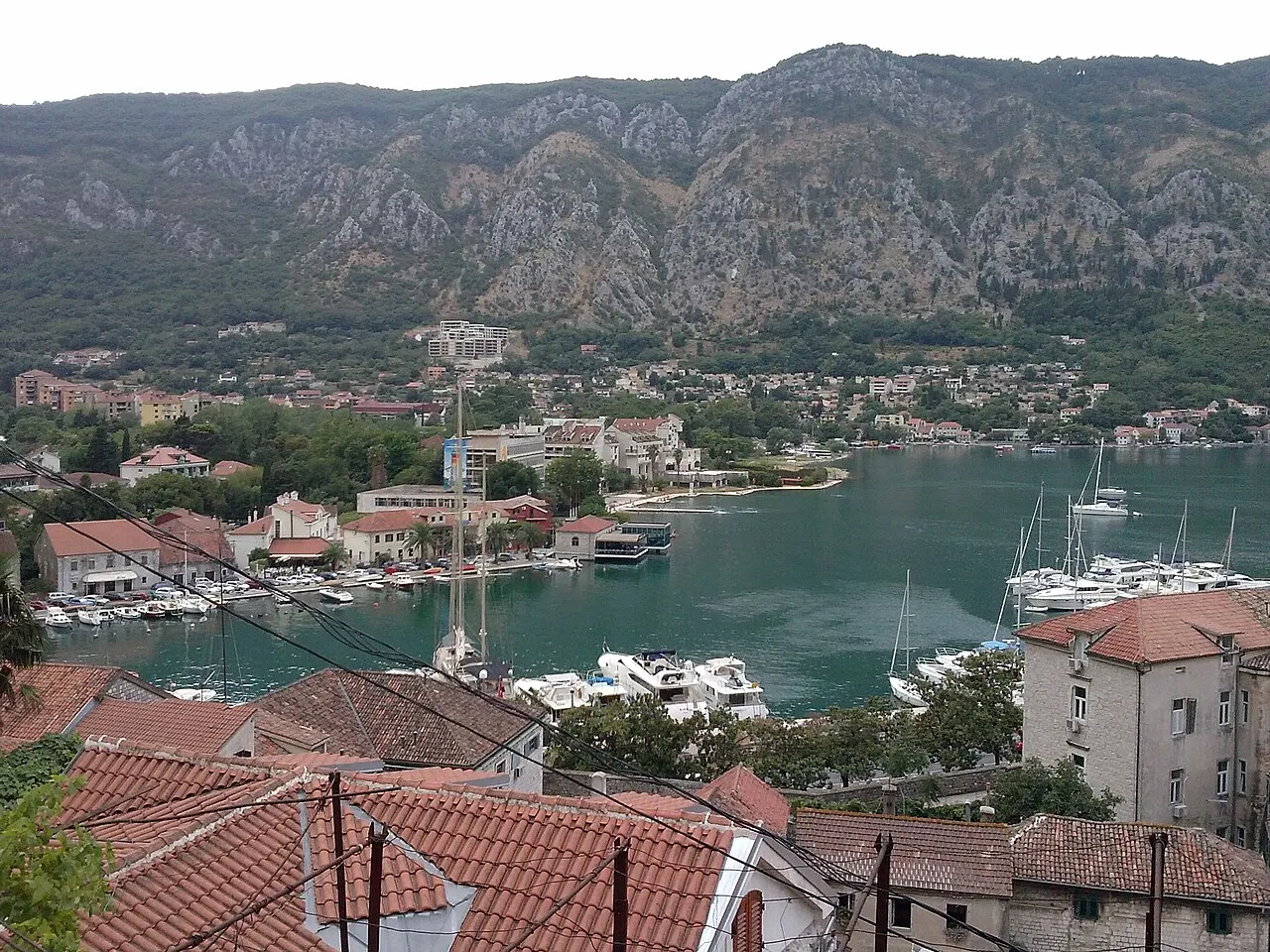
- The bus station sits just outside the walls — intercity coaches plus frequent local buses along the coast and bay.
- Buy tickets at the counter (or sometimes the driver for short hops); a small luggage charge often applies.
- Boats cover the bay's best trips from the waterfront; taxis and transfers fill every remaining gap.
- Agree taxi fares up front or use a metered operator; pre-book airport transfers. Verify all current fares and timetables.
What car-free travel actually costs
Going without a car is usually cheaper as well as easier, and it helps to know roughly where the money goes so you can budget. The regional buses are the backbone and are genuinely inexpensive — a few euros covers most bay and coastal hops — and you typically buy tickets at the station counter or from the driver, sometimes with a small charge for stowed luggage. Boat trips to Perast and around the bay are seasonal and modest in price, more in peak summer; taxis are reasonable for short, agreed runs but should always be priced up front or metered to avoid surprises. Set against the alternative — a hire car, fuel, and the daily headache and cost of parking outside the car-free walls — a car-free trip generally comes out ahead for anyone basing themselves in or near the Old Town.
The one place to spend rather than scrimp is the airport transfer: a pre-booked private car after a flight is worth the premium over piecing together buses with bags, especially late at night. Beyond that, the savings of car-free travel free up budget for the things that actually make the trip — a private sunset boat, a long seafood dinner, the walls ticket and a couple of guided day tours into the mountains. Carry some cash for buses, boatmen, market sellers and smaller fares even though cards are common, and verify all fares and ticket prices on the day, since they shift with the season and the operator. The headline, though, holds: in Kotor, not hiring a car is the budget-friendly choice as often as not.
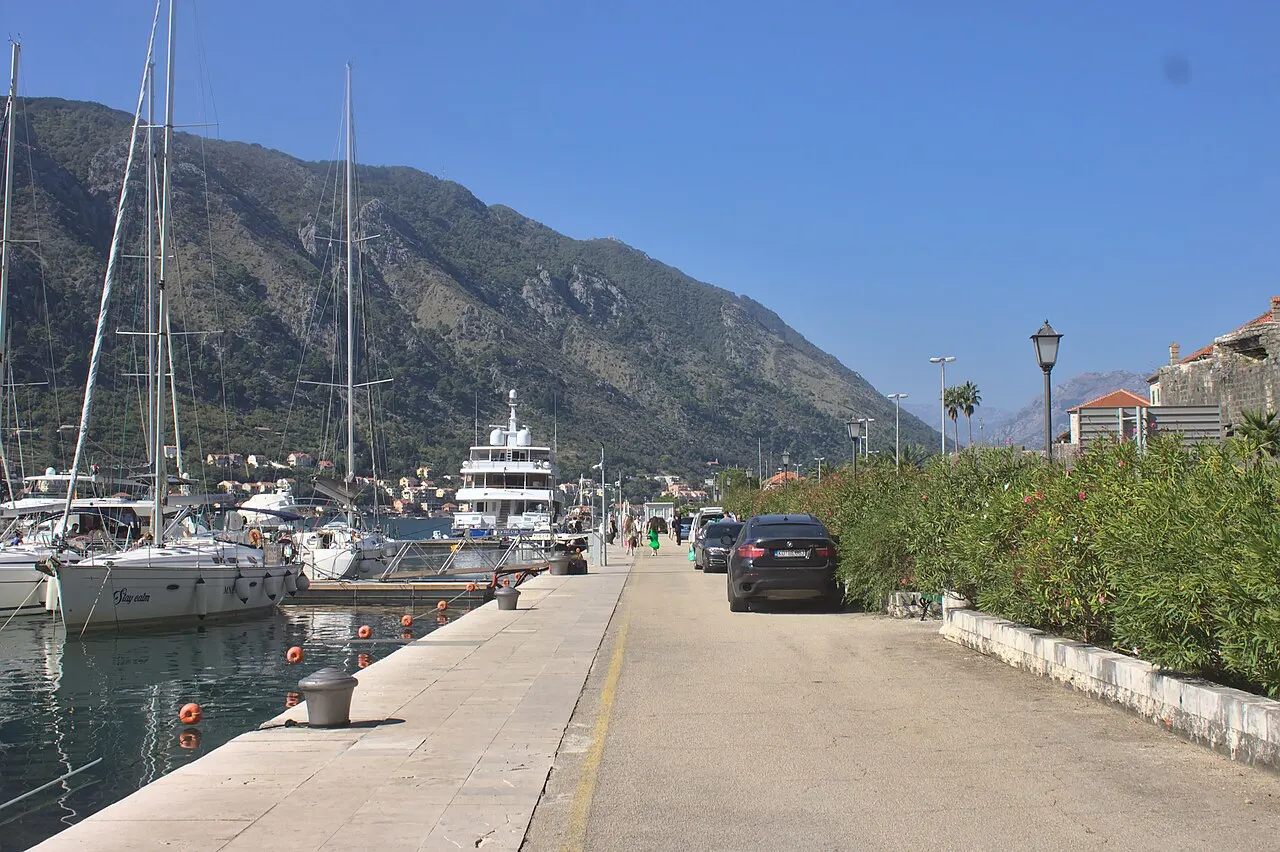
- Buses are the cheap backbone — a few euros a hop; expect a small charge for stowed luggage.
- Boats are seasonal and modest; taxis are reasonable for short runs if priced up front or metered.
- Worth the splurge: a pre-booked airport transfer after a flight, especially late at night.
- Carry cash for buses, boatmen and markets, and verify all fares on the day.


A car-free third day: beaches, swims and a slower bay
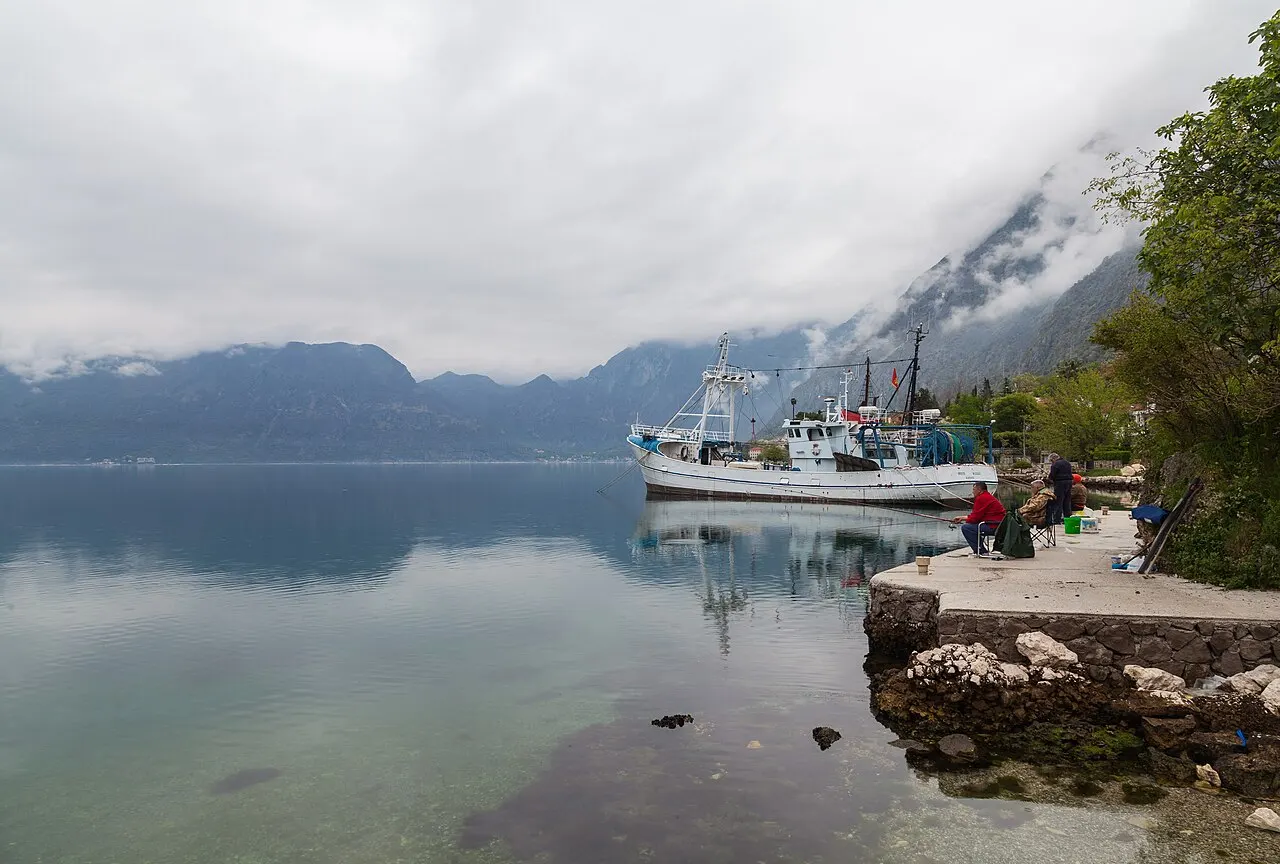
Give a third car-free day to the water, because the bay rewards it and none of it needs a hire car. The simplest swim of all is on foot: the Dobrota promenade, a flat fifteen-minute walk north from the Sea Gate, strings together ladders, platforms and small coves along a calm waterfront, and the bay stays swimmable from late spring well into autumn. For a change of scene, the regional buses open up the coast — Budva's beaches and walled old town are an easy ride down the coast, and the villages around the bay are reachable on the shore-road services. A boat tour from the Kotor waterfront, meanwhile, can fold a swim stop into a half-day on the water, reaching coves the road never touches.
If you would rather stay slow and local, a car-free day can simply be the bay at walking pace: a morning swim off Dobrota, a long waterfront lunch, an afternoon coffee on a square and an early-evening stroll out one of the lesser gates and along the outside of the walls. The point of going car-free is not just thrift — it is that the bay's best pleasures, the swims and the views and the long meals, were never about driving in the first place. Check bus and boat timetables the day before so a single missed service does not derail the plan, and keep the day loose enough to follow the weather and the water.
- Easiest swim: the flat Dobrota promenade, fifteen minutes on foot from the Sea Gate.
- By bus: Budva's beaches and old town, and the bay villages on the shore-road services.
- By boat: a tour from the Kotor waterfront can add a swim stop the road can't reach.
- Check timetables the day before, and keep the day loose to follow the weather and water.

Car-free Kotor: frequently asked questions
A few quick answers to the questions car-free visitors ask most. Verify the volatile specifics — fares, timetables, taxi prices and tour costs — from an official or on-the-ground source, as they change with season and operator.
- Do I need a car in Kotor? No. The Old Town is car-free, buses and boats cover the bay and coast, and taxis or tours fill the gaps. A car is a liability in the centre.
- How do I get from the airport without a car? A pre-booked transfer or taxi is simplest; buses from Tivat, Podgorica or Dubrovnik to Kotor's bus station are the budget option. Verify prices and times.
- Can I visit Perast without a car? Yes — by boat from the Kotor waterfront, or by the Kotor–Risan bus that stops at Perast on the bay road.
- Which day trips work without a car? Budva, Tivat and Herceg Novi are easy by bus. Lovćen, Cetinje and the north are best done by organised tour rather than self-drive.
- Is it expensive to get around without a car? Buses are cheap, boats are inexpensive in season, and taxis are reasonable for short, agreed runs — usually cheaper overall than a hire car plus parking. Verify current fares.
- Where do I leave luggage on arrival day? Most accommodation will hold bags; the last stretch into the Old Town is on foot, so pack to wheel or carry over cobbles.
Your car-free trip at a glance
Use this card to plan a car-free Kotor trip, then confirm the moving parts. Verify the volatile details — bus and boat timetables, fares, taxi prices and tour costs — on the day or from official sources, because they all change.
- Getting there: pre-booked transfer or taxi from Tivat (closest), Podgorica or Dubrovnik; or budget buses to the station.
- Day one: the Old Town and the walls climb, all on foot — no transport needed.
- Day two: a boat to Perast and Our Lady of the Rocks, plus the walkable Dobrota promenade and bay villages.
- Easy day trips by bus: Budva, Tivat, Herceg Novi. Best by tour: Lovćen, Cetinje, the north, Dubrovnik.
- Backbone: the bus station outside the walls, boats from the waterfront, taxis and transfers for the gaps.
- A car is a liability in the car-free Old Town — most visitors are better off without one.
- All fares, timetables, taxi prices and tour costs change — verify before you build a day around them.

Getting Around Kotor
How to get around Kotor and the Bay of Kotor: when to walk, take a local bus, hail a taxi, hop a boat, drive and park, use the Kamenari–Lepetane ferry, or book a private driver.
Read guide
Kotor Bus Station Guide
How Kotor's bus station works: where it sits just outside the Old Town, the routes along the bay and coast, buying tickets, the small luggage charge, taxis, and realistic expectations for getting around the Boka by public transport.
Read guide
Kotor to Perast by Boat
Every way to get from Kotor to Perast and Our Lady of the Rocks: boat tours (shared and private), the bay bus, taxi and driving — with steps, rough durations and the catch that there is no scheduled passenger ferry.
Read guideMore in Itineraries
6
A Weekend in Kotor
A Friday-evening-to-Sunday plan for the Bay of Kotor built around hotel-area logic, sunset views, boat timing and relaxed meals: arrive and settle in, give Saturday to the Old Town and the walls climb, take Sunday onto the water before you leave — the well-chosen short break, not a sight-ticking marathon.
Read guide
Bay of Kotor Road Trip
A self-drive loop around the Bay of Kotor: out of Kotor along the inner shore through Dobrota and Perast, on to Risan's Roman mosaics, the full loop versus the Kamenari–Lepetane ferry shortcut, then Tivat and the high viewpoints — with honest notes on the narrow bay road, the car-free Old Town and where to park.
Read guide
Kotor for Couples: A Romantic Itinerary
A romantic two-to-three day Kotor route built around slow bay-view mornings, the fortress at golden hour, Perast and a private boat, waterfront dinners and the lamplit lanes once the ships leave — the unhurried, golden side of the Boka, planned for two.
Read guide
Kotor on a Budget: A Low-Cost Itinerary
A lower-cost Bay of Kotor plan that leans on free sights, local buses, market and bakery food, self-guided walks and one or two selective paid splurges — how to do the Old Town, the bay and the views well without spending much, and where it is worth paying.
Read guide
Kotor Rainy Day Itinerary
A full wet-weather day in Kotor that still feels like a day: a slow indoor morning of museums and churches inside the walls, a long café-and-konoba lunch, a covered-courtyard or hotel-spa afternoon, and a moody bay option for when the sea stays calm.
Read guide
Kotor with Kids: A Family Itinerary
A family-paced Bay of Kotor plan built around short flat walks, the cats and the Cats Museum, the aquarium, calm beaches, safe boat choices and low-stress meals — with honest notes on what the walls climb and the summer heat mean for children, and how to keep everyone happy.
Read guide