
Kotor on a Budget: A Low-Cost Itinerary
A lower-cost Bay of Kotor plan that leans on free sights, local buses, market and bakery food, self-guided walks and one or two selective paid splurges — how to do the Old Town, the bay and the views well without spending much, and where it is worth paying.

Photo: Linda Gerbec / Unsplash
- ✓Most of Kotor's best moments are free: wandering the car-free Old Town, the cats, the squares and churches, the bay views and a swim cost nothing.
- ✓Lean on local buses and the Kamenari–Lepetane ferry instead of taxis and tours — they reach Perast, Budva and the bay villages cheaply.
- ✓Eat from the market, the bakeries and the konobas off the main square; a burek breakfast and a picnic lunch save the most.
- ✓Spend selectively, not never: the walls ticket and one boat trip are the two things usually worth paying for.
- ✓A self-guided walk beats a paid tour for free, and the shoulder seasons cut the cost of everything from rooms to crowds.
How to do Kotor cheaply without doing it thinly
Kotor is one of the better-value gems on the Adriatic, because so much of what makes it special costs nothing. You do not pay to walk through the medieval Sea Gate into a thousand-year-old, car-free town; you do not pay to get pleasantly lost between its squares, to meet its famous cats, to step into open church doors, to watch the bay go gold at sunset, or to swim in calm water that stays warm into autumn. A genuinely good Kotor trip can be built almost entirely from free experiences, with a couple of small, well-chosen paid splurges where they really earn their keep. The aim of this plan is to spend little without feeling like you missed anything — to do Kotor cheaply, not thinly.
The strategy has three parts. First, default to free: free sights, free walks, free swims, free sunsets fill most of the days. Second, move cheaply: local buses and the bay ferry reach almost everywhere a taxi or a packaged tour would, for a fraction of the cost. Third, eat smart: the market, the bakeries and the konobas a lane or two off the main square feed you well for far less than the view-priced tables on the squares. Then you spend deliberately on the one or two things worth it — typically the walls ticket and a single boat trip — and let everything else be free.
A note on the moving numbers. Bus and ferry fares, the walls ticket, boat fares, market prices, hostel and room rates and opening hours all shift with the season and the operator, so we keep specific figures out of the prose and give the evergreen shape here — verify them on the day. Two structural savings dwarf the rest: travel in the shoulder seasons (spring and autumn), when rooms are cheaper, the heat is kinder and the cruise crowds thinner; and base yourself with a kitchen so you can self-cater. Montenegro uses the euro, and while cards are widely taken, small cash is handy for buses, the market and boatmen.


Day 1 — The free Old Town: a self-guided walk, the cats and the squares
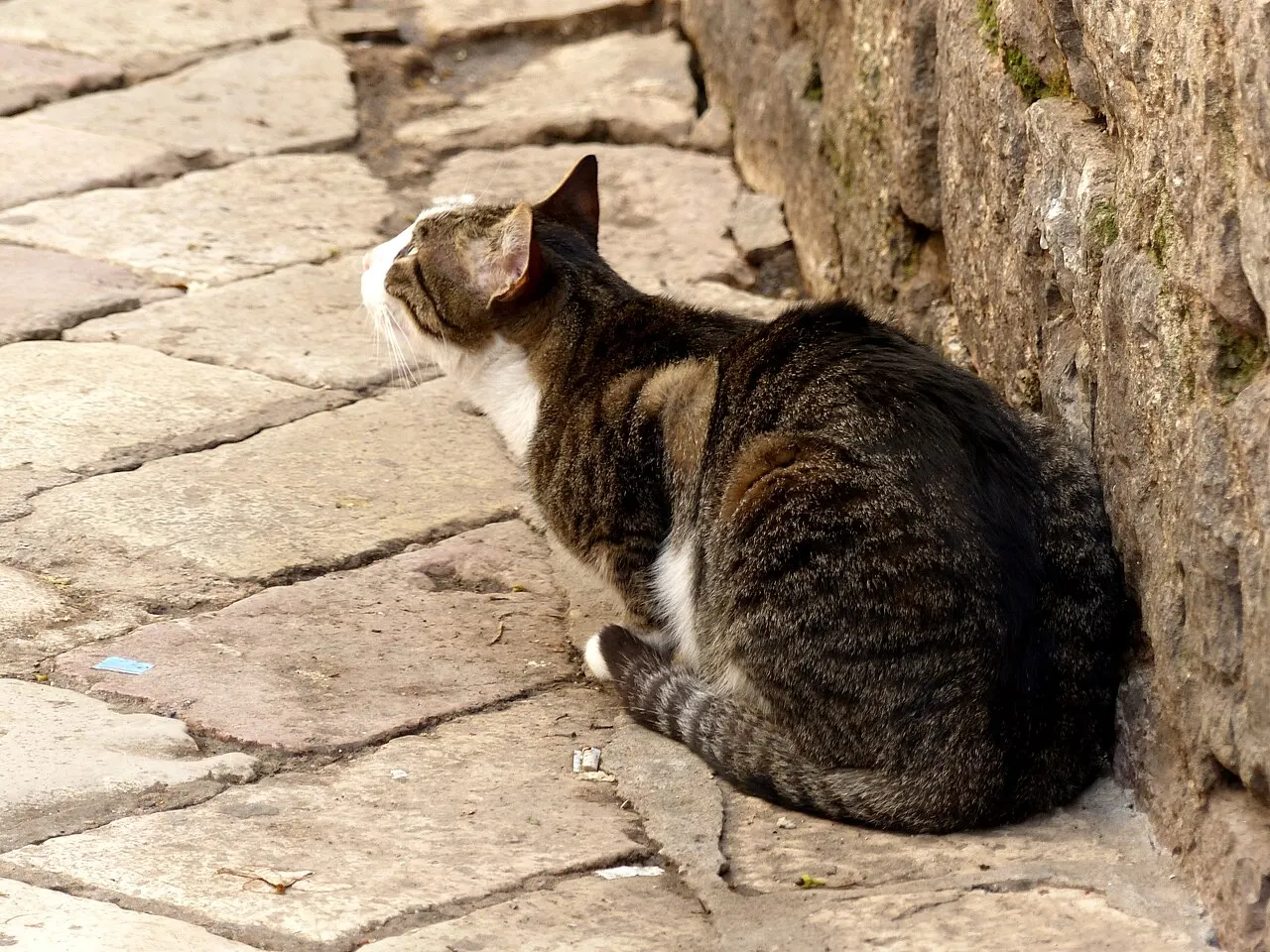
Day one costs almost nothing. Walk in through the grand Sea Gate of 1555 — free, and the best entrance in town — into the Square of Arms with its leaning clock tower of 1602, and give yourself a self-guided wander rather than a paid walking tour. The Old Town is tiny and navigates by squares rather than street names, so the most enjoyable, and cheapest, way to see it is simply to follow the lanes and let yourself get lost: the cats, the carved coats of arms, the palazzo courtyards and the open church doors are all there for nothing. A free self-guided route through the gates, squares and churches gives you all the structure a paid guide would, at no cost.
Build the free highlights into the walk. The exterior and square of the Cathedral of St Tryphon (consecrated 1166), with its two slightly mismatched Romanesque towers, is the town's signature view and costs nothing to admire; some churches and the cathedral interior charge a small admission, so step inside only the ones you most want and verify the modest fees. The town walls and quayside are free to stroll, the cats are free to befriend, and the little Cats Museum, if you want an indoor stop, is one of the cheapest tickets in town. There is no need to spend on day one beyond a coffee and lunch.
Eat the budget way. Skip the view-priced tables on the main squares and head a lane or two off them, where the konobas are cheaper, or — cheaper still — buy a burek or a pastry from a bakery for breakfast and assemble a picnic from the bakeries and small shops for lunch, to eat by the water for free. A pastry breakfast and a picnic lunch is the single biggest daily saving in Kotor, and the bay makes a far better dining room than any restaurant terrace. Keep the evening free too: once the day boats leave, the lamplit lanes are the best free entertainment in town.
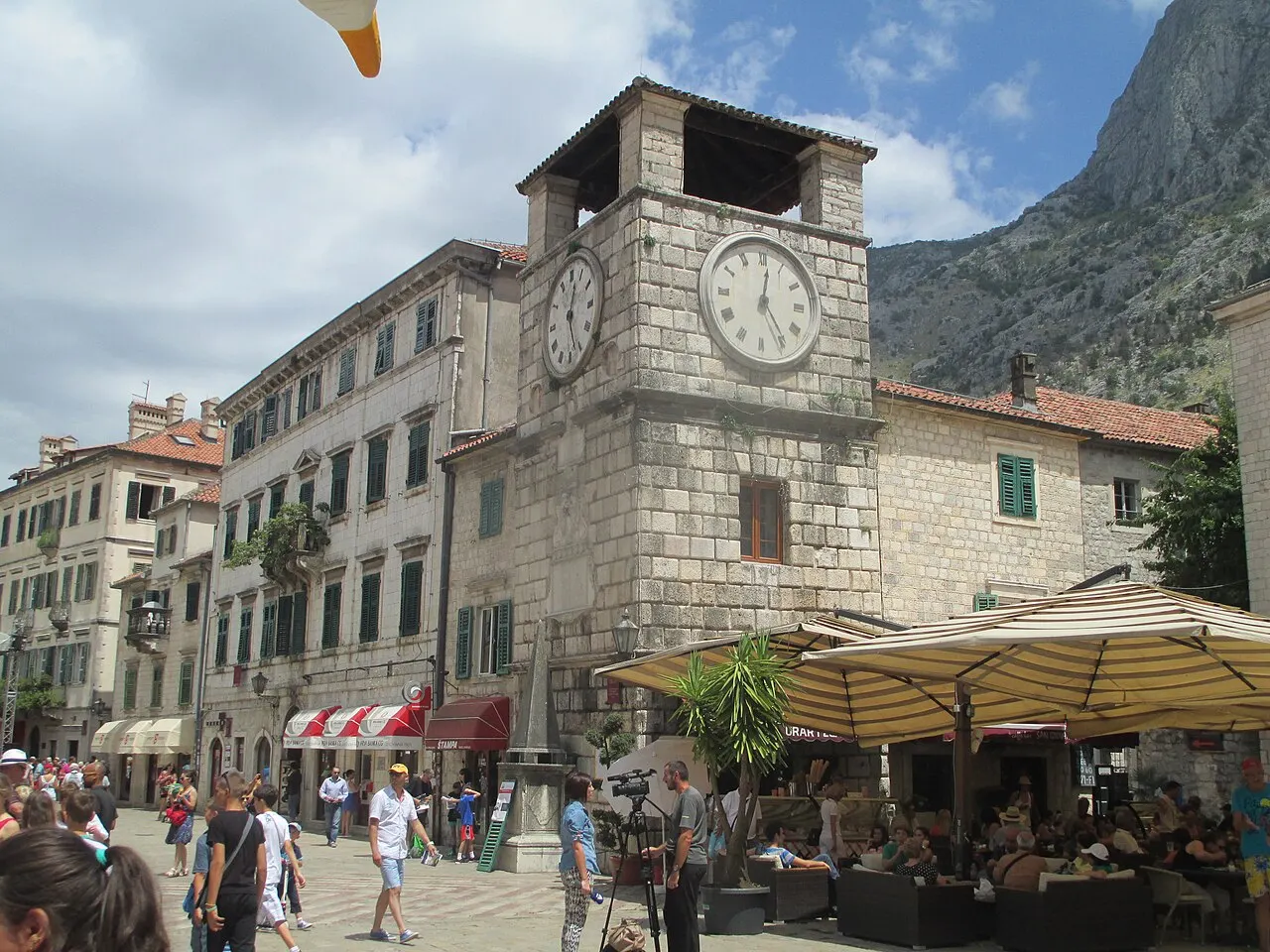
- Do a free self-guided walk instead of a paid tour — the Old Town navigates by squares and rewards getting lost.
- The cathedral square, the walls, the quayside and the cats are all free; pay only the small fee for the interiors you most want.
- Save the most by eating from bakeries and the market: a burek breakfast and a picnic lunch by the water.
- Keep the evening free — the lamplit lanes after the ships leave are the best no-cost entertainment in town.
 Self-Guided Old Town Walk
A free route through the gates, squares and churches — no guide needed.
 The Cats of Kotor
The town's free, friendly mascots and where to find them.
 Budget Food in Kotor
Bakeries, the market and the cheap konobas off the main square.
Map pins
Map data © OpenStreetMap contributors · Tiles © OpenFreeMap
Day 2 — The walls climb (the one ticket worth it) and a free swim
Day two is where the budget plan spends, deliberately, on the one ticket almost everyone agrees is worth it: the climb to St John Fortress. The wall-walk up the ramparts is Kotor's signature experience — a famously disputed step-count near 1,350, roughly 260 m of climb, the whole bay opening below you — and the seasonal entry fee is modest for what you get. Climb in the cool early morning, before the heat and the cruise crowds, with water and grippy shoes; allow around 90 minutes round trip, and pause at the small Church of Our Lady of Remedy about halfway. Verify the current ticket and hours before you go.
If you would rather not pay even that, there is a free alternative that reaches similar heights: the Ladder of Kotor, an old switchback caravan trail that climbs the mountain behind the town by zigzag path rather than ticketed stair, joining a viewpoint with a huge panorama of the bay. It is longer and rougher than the walls, but it is free, quieter, and a fine budget substitute for the famous climb — verify the trailhead and conditions, carry plenty of water, and treat it as a proper hike. Either way, the great bay view need not cost much, and from the right viewpoint it costs nothing at all.
Spend the rest of day two for free, in the water. The Bay of Kotor stays calm and swimmable well into autumn, and a swim costs nothing: the Dobrota promenade north of town has easy access, and there are quiet coves below Prčanj and along the bay. Walk or take a cheap local bus to your swim spot, pack a picnic, and make an afternoon of it. A free morning climb (or hike) and a free afternoon swim is a full, satisfying day in Kotor for the price of one modest ticket — or nothing, if you take the Ladder.
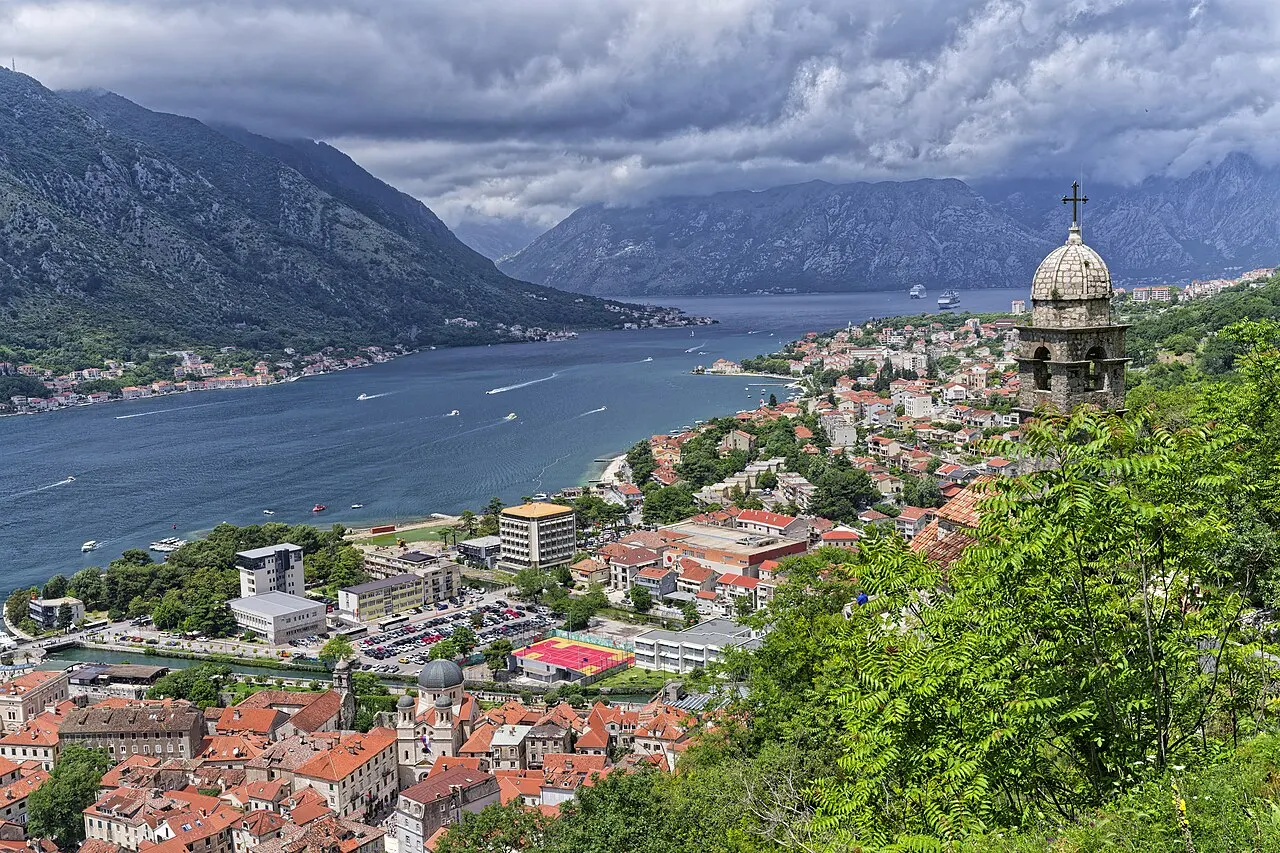
- The walls climb to St John Fortress is the one ticket usually worth paying — go early, verify the modest seasonal fee and hours.
- Prefer free? The Ladder of Kotor reaches a similar viewpoint by an old trail with no ticket — verify the trailhead, carry water.
- Swim for free from the Dobrota promenade or quiet coves; walk or take a cheap local bus there.
- A morning climb or hike plus an afternoon swim is a full day for one small fee — or nothing at all.


Day 3 — Cheap travel by bus and ferry: Perast and the wider bay
Day three shows how cheaply you can see the wider bay if you swap taxis and packaged tours for local transport. The standout budget trip is Perast, the baroque captains' town and the bay distilled. You do not need an organised tour: the regular Kotor–Risan bus stops at Perast for a small fare, dropping you on the bay road a short walk from its car-free, free-to-wander waterfront. From the quay, the short boat to the island church of Our Lady of the Rocks is inexpensive — a rare paid extra worth the few euros — while the town itself, the waterfront and the views back across the bay cost nothing.
Lean on the same trick for the rest of the region. Kotor's bus station, just outside the Old Town, links the bay villages, Budva and Tivat cheaply, so a half-day down the coast to Budva's walled old town and beaches, or around the bay to the bay-side villages, is a bus fare rather than a tour price. The Kamenari–Lepetane ferry across the bay mouth is another cheap, characterful ride and a handy shortcut. Walking is free and often the nicest option of all: the Dobrota waterfront promenade north of town is a long, level, scenic stroll that costs nothing and rewards a slow afternoon.
If you want one tour at all, choose it carefully. A shared group boat trip on the bay is far cheaper per person than a private one, and a single well-chosen excursion — a shared bay cruise, or a seat on a minibus up to Lovćen and Cetinje for a day in the mountains — is a better use of a tight budget than several. But for most of the wider bay, the bus, the ferry and your own two feet do the job for a fraction of the cost. Verify bus and ferry times and fares before you set off, as schedules change with the season.
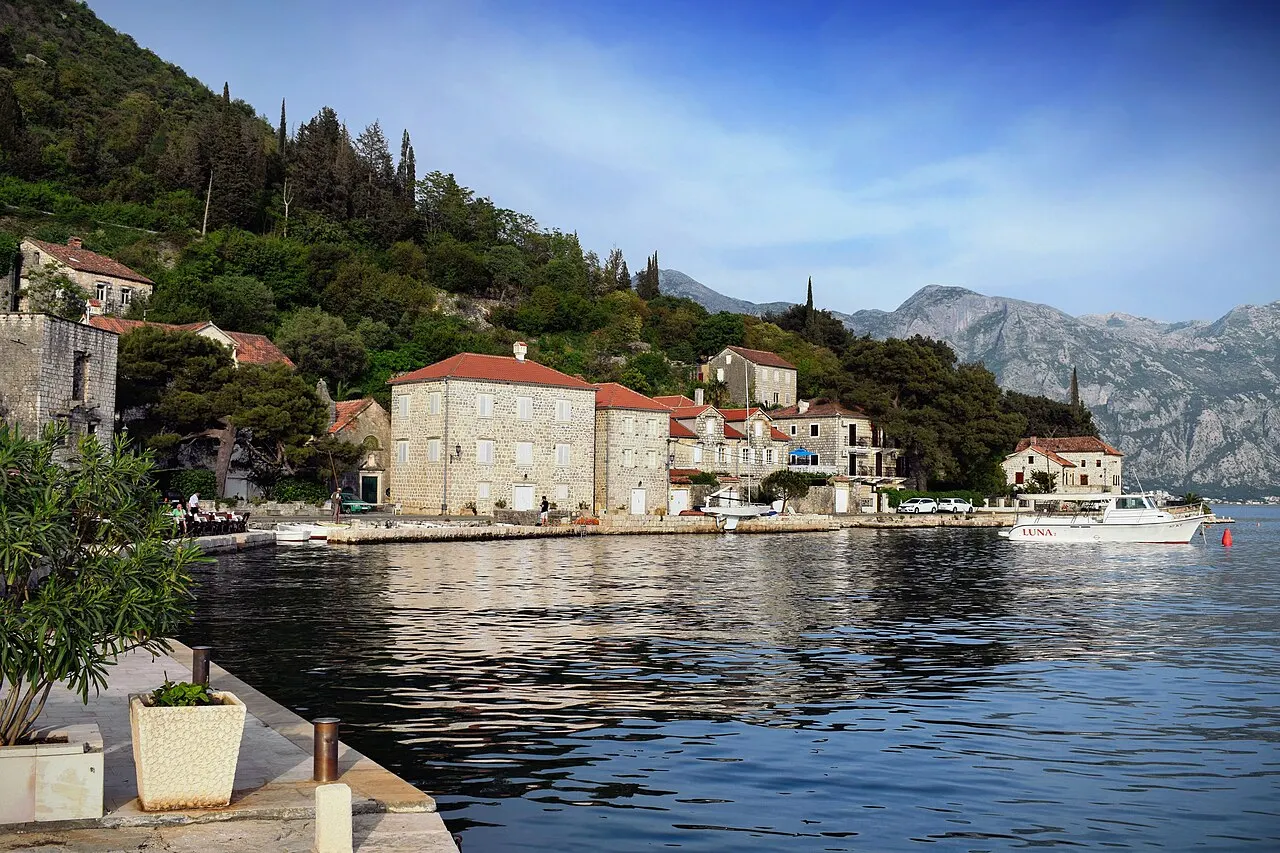
- Reach Perast by the cheap Kotor–Risan bus, not a tour; the town and waterfront are free, the island boat a small worthwhile extra.
- Use the bus station and the Kamenari–Lepetane ferry for cheap trips to Budva, Tivat and around the bay.
- Walk the free Dobrota promenade for a scenic, no-cost afternoon.
- If you take one tour, make it a shared group boat or minibus — verify bus, ferry and tour fares and times.


Where to stay and eat cheaply, and where it is worth paying
Accommodation is where a Kotor budget is won or lost. The cheapest beds are hostels and guesthouses, and there is a good budget scene in and around the Old Town; a room or apartment with a kitchen pays for itself fast by letting you self-cater, which dodges the trip's biggest recurring cost. Basing a little outside the walls — in Dobrota or across the water in Muo or Prčanj — is usually cheaper and quieter than the Old Town itself, with cheap local buses or a short walk back into the centre, and easier free parking if you have a car. The single biggest saving of all is timing: rooms in the spring and autumn shoulder seasons cost far less than in the July–August peak, and the heat and crowds are gentler too.
Eat like a local on a budget. The town market sells fresh produce, cheese and the famous Njeguši prosciutto for picnics; the bakeries do a cheap, filling burek or pastry for breakfast and snacks; and the konobas a lane or two off the main squares serve the bay's coastal food — buzara, grilled fish, local wine — for far less than the view-priced terraces on the squares themselves. Self-cater breakfast and one meal a day from the market and bakeries, eat your treat dinner off the main square, and carry water rather than buying drinks out. Tap water is generally fine; a refillable bottle saves both money and plastic.
Finally, spend where it counts. A budget trip is not a no-spend trip — it is a deliberate one. The two things usually worth paying for are the walls ticket and one boat trip (the short Perast and island run); a single shared group tour, if you want one, is the third. Skip the rest: the paid walking tours (do it yourself for free), the taxis (take the bus), the private boats (share one), the view-priced restaurants (eat off the square). Done this way, Kotor delivers a thousand-year-old walled town, a fjord-like bay and a famous mountain view for remarkably little — proof that the Boka's best moments were free all along. Verify all fares, rates and opening hours on the day, as they move with the season.
- Sleep in a hostel, guesthouse or apartment with a kitchen — self-catering dodges the biggest recurring cost.
- Base outside the walls (Dobrota, Muo, Prčanj) for cheaper, quieter rooms and easier free parking; travel in the shoulder seasons.
- Eat from the market and bakeries — burek breakfast, picnic lunch — and treat-dinner off the main square; carry a refillable bottle.
- Spend deliberately: the walls ticket and one boat trip are worth it; skip paid tours, taxis, private boats and view-priced tables. Verify all fares on the day.

Your budget Kotor trip at a glance
Use this card to keep costs down, then verify the volatile numbers on the day. Bus and ferry fares, the walls ticket, boat fares, market prices, room rates and opening hours all change with the season and the operator, so confirm them from official or local sources before you rely on them.
- Strategy: default to free, move by bus and ferry, eat from bakeries and the market, spend on one or two things only.
- Day 1 — a free self-guided Old Town walk, the cats, the squares; a bakery breakfast and a picnic lunch by the water.
- Day 2 — the walls climb (the one ticket worth it) or the free Ladder of Kotor, plus a free bay swim.
- Day 3 — Perast by cheap local bus and a short island boat; the bus, ferry and a free promenade walk for the wider bay.
- Worth paying for: the walls ticket, one Perast boat, and at most a single shared group tour.
- Biggest savings: a kitchen to self-cater, basing outside the walls, and travelling in the shoulder seasons.
- Euro currency; carry small cash for buses and the market; always verify fares, rates and hours on the day.
Free Things to Do in Kotor
The best free and low-cost things to do in Kotor — wandering the walled Old Town, the bay promenades, the open churches, swimming off the rocks, free viewpoints and the cats, with a few clever ways to stretch a budget.
Read guide
Best budget hotels in Kotor
How to stay cheaply around the Bay of Kotor without losing your days to buses, parking or steep walks: where the value is, what budget looks like here, the shoulder-season and cruise-day pricing tricks, and the hidden costs to weigh before you book.
Read guideBudget Food in Kotor
How to eat well in Kotor without spending much: bakeries and burek for cheap breakfasts and lunches, the open-air market for picnic supplies, pizza and casual grills, value konobas a lane back from the squares, supermarkets for self-catering, and how to dodge the Old Town location premium.
Read guideMore in Itineraries
6
A Weekend in Kotor
A Friday-evening-to-Sunday plan for the Bay of Kotor built around hotel-area logic, sunset views, boat timing and relaxed meals: arrive and settle in, give Saturday to the Old Town and the walls climb, take Sunday onto the water before you leave — the well-chosen short break, not a sight-ticking marathon.
Read guide
Bay of Kotor Road Trip
A self-drive loop around the Bay of Kotor: out of Kotor along the inner shore through Dobrota and Perast, on to Risan's Roman mosaics, the full loop versus the Kamenari–Lepetane ferry shortcut, then Tivat and the high viewpoints — with honest notes on the narrow bay road, the car-free Old Town and where to park.
Read guide
Kotor for Couples: A Romantic Itinerary
A romantic two-to-three day Kotor route built around slow bay-view mornings, the fortress at golden hour, Perast and a private boat, waterfront dinners and the lamplit lanes once the ships leave — the unhurried, golden side of the Boka, planned for two.
Read guide
Kotor Rainy Day Itinerary
A full wet-weather day in Kotor that still feels like a day: a slow indoor morning of museums and churches inside the walls, a long café-and-konoba lunch, a covered-courtyard or hotel-spa afternoon, and a moody bay option for when the sea stays calm.
Read guideKotor with Kids: A Family Itinerary
A family-paced Bay of Kotor plan built around short flat walks, the cats and the Cats Museum, the aquarium, calm beaches, safe boat choices and low-stress meals — with honest notes on what the walls climb and the summer heat mean for children, and how to keep everyone happy.
Read guide
Kotor Without a Car Itinerary
How to enjoy Kotor and the Bay of Kotor entirely car-free: a walkable Old Town, the bus station just outside the walls, local buses along the bay, boats to Perast, taxis to fill the gaps, and honest verdicts on which day trips work without a car.
Read guide