
Lovćen Day Trip from Kotor
How to day-trip from Kotor to Lovćen National Park: the four ways up — the old serpentine road, the Kotor–Lovćen cable car, an organised tour or a private driver — the Njegoš Mausoleum on its peak, the Njeguši stop, the viewpoints, timing, and an FAQ.

Photo: Ivan Shyrai / Unsplash
- ✓Lovćen National Park rises straight behind Kotor — the mountain in every bay view — and its high peak, Jezerski vrh, sits near 1,660 m.
- ✓Four ways up: the famous serpentine road via Njeguši, the Kotor–Lovćen cable car, an organised tour, or a private driver.
- ✓The summit draw is the Njegoš Mausoleum, reached by a long stair through a tunnel to a round terrace with one of the great Balkan panoramas.
- ✓Njeguši, the mountain village on the road up, is the home of Montenegro's smoked prosciutto and cheese — the natural stop for lunch.
- ✓Go for the view, the cool mountain air and a break from the heat and crowds of the bay; verify cable-car, road and ticket details before you set out.
Why climb Lovćen — the mountain behind the bay
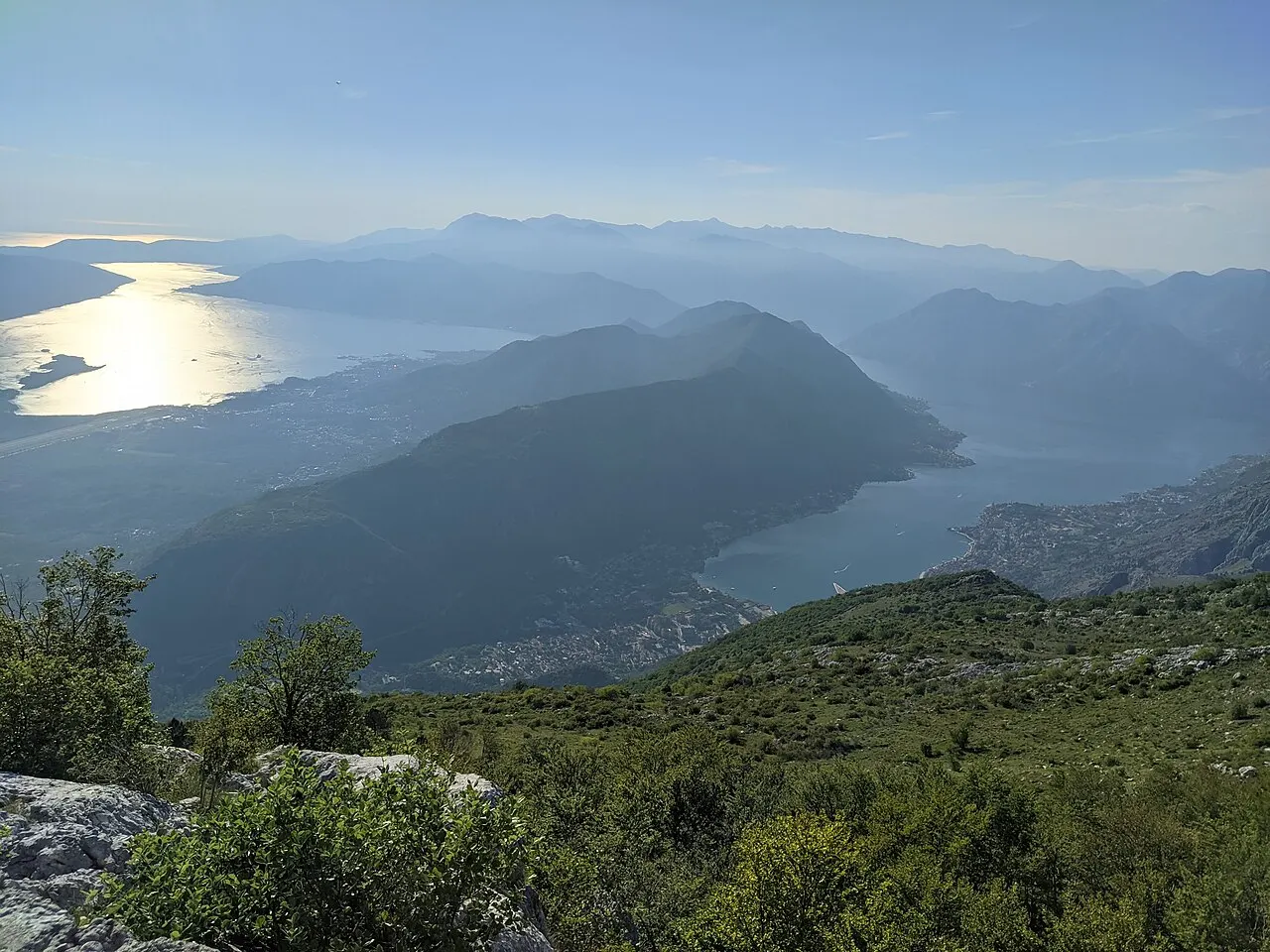
Lovćen is the mountain you've been looking at the whole time. It's the dark, looming massif behind Kotor in every photograph, the wall that makes the bay feel so deep and sheltered, and it gives its name to the national park that crowns it. To go up Lovćen is to turn around and look back: from its viewpoints the whole Bay of Kotor unspools below you in a single sweep, the Old Town shrunk to a pale stone speck, the water folding away toward the open sea. For Montenegrins the mountain is something close to sacred — the symbolic heart of the nation, where their greatest poet-prince chose to be buried — and a day up there carries a weight and a grandeur the bay alone doesn't.
It's also, simply, a glorious escape. While Kotor bakes and fills with cruise crowds in summer, Lovćen stays cool, pine-scented and uncrowded, a place of high meadows, limestone ridges and big silence. A Lovćen day gives you the bay's most spectacular view, a dose of mountain air, the country's defining monument and, on the way, the village that smokes the prosciutto you've been eating all week. This guide covers the four ways up, what's at the top, and how to time it — keeping fares, hours and ticket prices out of the prose, because they change, and flagging them to verify.
Four ways up: serpentine, cable car, tour or driver
There's no single right way up Lovćen — there are four, and which suits you depends on whether you want to drive, how you feel about heights, and how much you want to pack into the day. The most romantic and storied is the old serpentine road, the dizzying ladder of switchbacks (the famous P1 / Kotor–Cetinje road) that hairpins out of the bay. It's a thrilling, slow, hands-on drive with a viewpoint at almost every bend, climbing past Njeguši into the park. It demands confidence at the wheel and a head for narrow mountain edges, and it's the route to take if the journey itself is part of the appeal.
The gentlest modern option is the Kotor–Lovćen cable car, which opened in 2023 and lifts you from near the bay up toward the Lovćen plateau in a fraction of the time, gliding over the very landscape the road struggles up. It's the obvious pick if you'd rather not drive the bends, if you're short on time, or if you simply want the view without the white knuckles — though, being weather-dependent and relatively new, it's worth confirming it's running and checking the current fare and hours before you commit your day to it. Then there are the hands-off choices: an organised group tour that bundles Lovćen with Njeguši and often Cetinje into a guided day, or a private driver who'll take the serpentine for you while you keep your eyes on the view. Any of the four gets you there; pick by temperament and time.
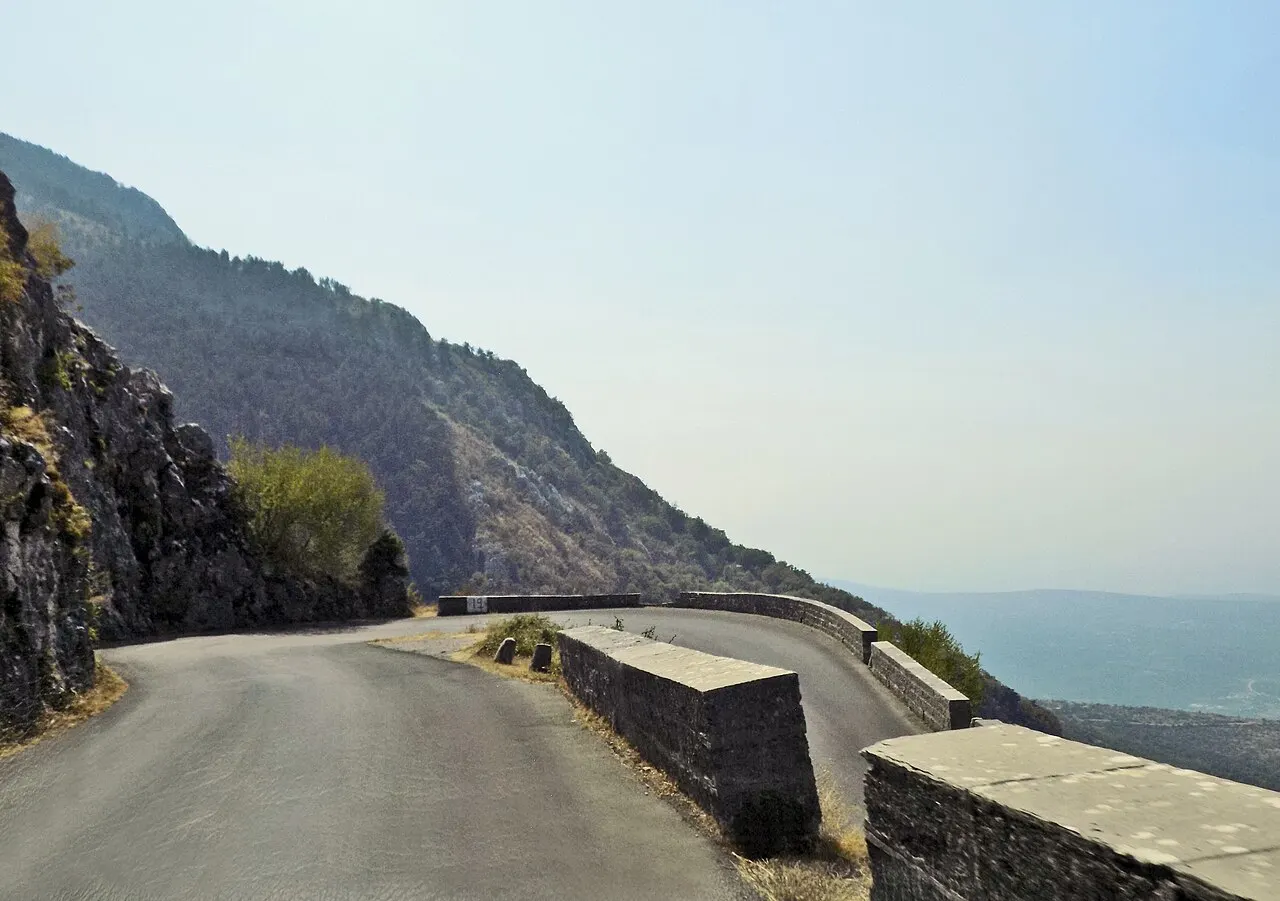
- Serpentine road (P1): the thrilling switchback drive via Njeguši — for confident drivers who want the journey.
- Kotor–Lovćen cable car (opened 2023): the fast, gentle, no-driving way up — verify it's running, plus fare and hours.
- Organised tour: a guided day bundling Lovćen, Njeguši and often Cetinje — hands-off and informative.
- Private driver: someone else takes the bends while you take the view — flexible and stress-free.
- Pick by temperament and time; confirm road, cable-car and tour details before you set out.
 Kotor Cable Car
The Kotor–Lovćen cable car in detail — where it runs, what to expect, and verifying it's open.
 The Njeguši Serpentine Road
Driving the famous switchbacks up from the bay — the bends, the viewpoints and the stops.
Map pins
Map data © OpenStreetMap contributors · Tiles © OpenFreeMap
At the top: the Njegoš Mausoleum and the great view
The summit experience of Lovćen is the Njegoš Mausoleum, and it's worth understanding before you go because the approach is part of the drama. Petar II Petrović-Njegoš — the 19th-century prince-bishop, poet and philosopher who looms over Montenegrin identity the way few figures loom over any nation — lies entombed on Jezerski vrh, the park's second peak, at roughly 1,660 metres. You reach the tomb by climbing a long flight of steps cut through the mountain in a tunnel, emerging at a circular stone terrace beneath a giant figure of the poet carved in granite. The mausoleum itself is austere and moving; the terrace around it is the headline, a 360-degree platform from which, on a clear day, you can see a vast swathe of Montenegro and beyond — the bay, the mountains, even toward the lake and the sea.
Set your expectations for the climb: that final stairway is long and exposed, and at altitude it asks a little more of your lungs than the count of steps suggests, so take it slowly and carry water. A small entrance ticket applies to the mausoleum, and there's a separate national-park entry; both are modest, but verify current prices and opening hours, which vary by season and can shorten sharply in the colder months. Beyond the mausoleum, the wider park rewards a wander — high meadows, the village of Ivanova Korita, marked trails — but for most day-trippers the tomb, the terrace and the panorama are the heart of it.
It helps to know what Lovćen is, geologically and emotionally, before you stand on that terrace. It's a black-pine and beech massif of bare limestone ridges, sinkholes and high pasture, named — most say — for the dark forests that cloak its lower slopes, and protected as a national park precisely because it's so woven into Montenegrin identity. The two summits that crown it, Štirovnik (the higher) and Jezerski vrh (where the mausoleum stands), look down on a country small enough to take in almost whole. On the clearest days people claim to make out the bay, Skadar Lake and the Adriatic all at once from the terrace, which is exactly why the prince-bishop chose to be buried up here rather than in any cathedral: he wanted to lie at the very centre of the land he wrote about. Stand there a while before you start back down — the view is the trip, and it's worth more than a quick photograph.
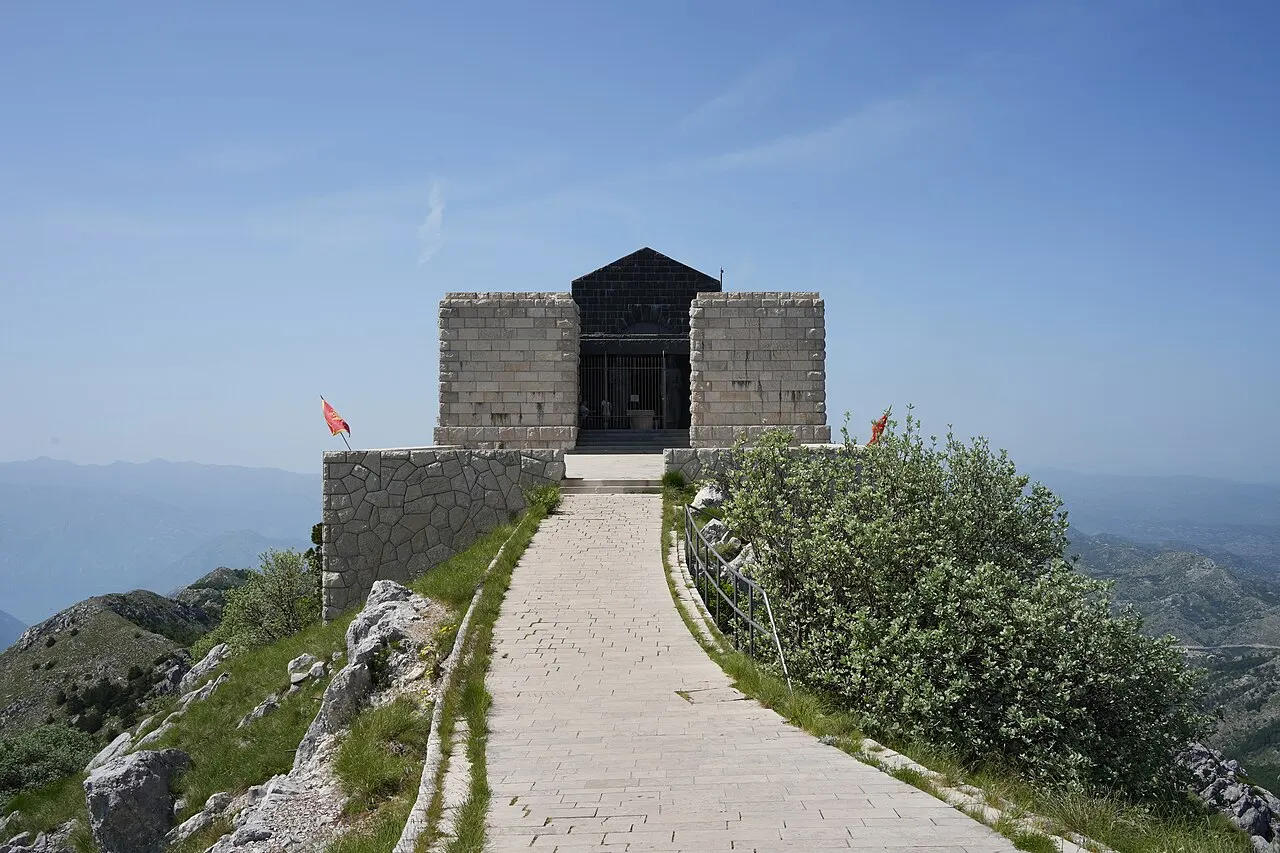
- The Njegoš Mausoleum sits on Jezerski vrh at roughly 1,660 m — Montenegro's defining monument.
- Reached by a long stair through a mountain tunnel to a circular terrace with a 360-degree view.
- Take the climb slowly at altitude and carry water; the final stairway is long and exposed.
- A small mausoleum ticket plus separate national-park entry apply — verify current prices and hours.
- Beyond the tomb, the park offers meadows, Ivanova Korita and marked trails for a longer day.

Stop at Njeguši, and time the day well
Don't drive straight past Njeguši. The mountain village on the serpentine road, just below the park, is the birthplace of Njegoš and the home of Montenegro's most famous larder: Njeguški pršut, the air-dried smoked prosciutto cured in the mountain wind, and the firm Njeguši cheese that partners it. Village taverns serve boards of both with local bread, olives and a glass of something, and it is the natural, delicious place to break a Lovćen day — half the people who do this trip remember the prosciutto stop as fondly as the view. Whether you drive, take a tour or hire a driver, build Njeguši in.
On timing: a Lovćen day works in either direction but rewards an early start, partly for the light and partly to beat the worst of the summer heat lower down and the day's tour buses up top. Clear weather is everything — the whole point is the view, and a cloud-wrapped summit gives you grand atmosphere but no panorama, so check the mountain forecast, not just the coastal one, and keep the plan flexible if you can. Bring a layer: it's genuinely cooler up there than on the waterfront, even in high summer, and the wind on the terrace bites. Allow a full half-day at minimum for the serpentine-and-mausoleum loop, more if you're adding Cetinje or lingering over lunch.
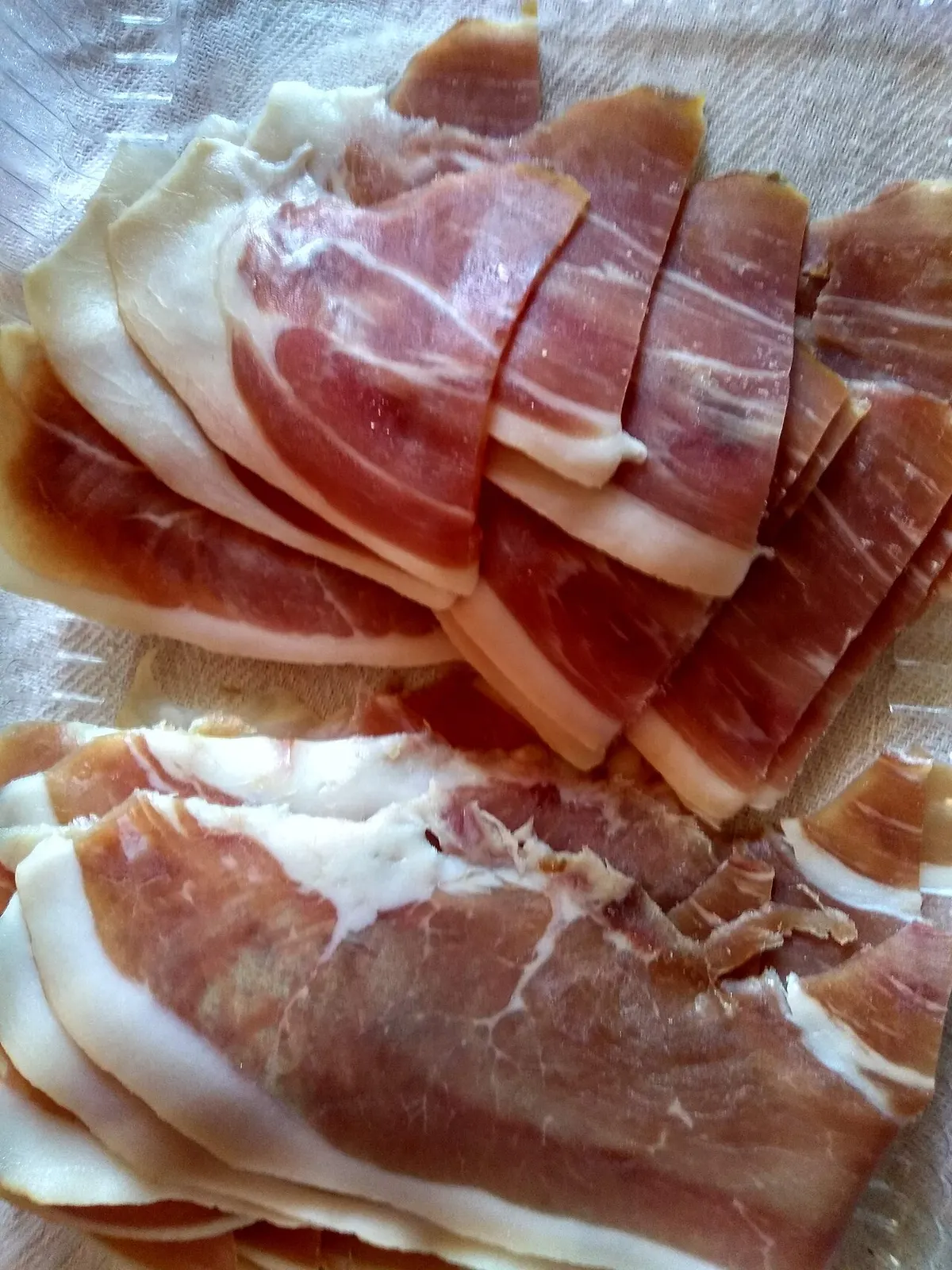
- Stop in Njeguši for the famous smoked prosciutto and cheese — the classic Lovćen-day lunch.
- Start early for the best light and to beat the summer heat and the midday tour buses.
- Clear weather makes or breaks it — check the mountain forecast, and stay flexible if you can.
- Bring a layer: the summit is cool and windy even in high summer.
- Allow a half-day minimum; add time for lunch or to pair with Cetinje on the far side.


Lovćen day trip: quick FAQ
How do I get from Kotor to Lovćen? Four ways — the old serpentine road via Njeguši, the Kotor–Lovćen cable car, an organised tour, or a private driver. How long does it take? The cable car is the fastest; the serpentine drive is slower and more scenic; allow at least a half-day overall, more if you add Cetinje or a long lunch. Is the cable car worth it? Yes if you'd rather not drive the bends or are short on time — but confirm it's running and check the fare and hours, as it's weather-dependent and relatively new (it opened in 2023). Do I need a car? No — the cable car, a tour or a driver all work without one, though a car gives the most freedom and the full serpentine experience. What's at the top? The Njegoš Mausoleum on Jezerski vrh (around 1,660 m), reached by a long stair to a round terrace with an enormous view, plus the wider national park. Is there an entrance fee? Yes — a small mausoleum ticket and a separate park entry; verify current prices. When should I go? On a clear day, ideally with an early start; bring a layer for the cool, windy summit. We keep all volatile details — fares, hours, ticket prices, drive times — out of the prose, because they move; verify them close to your travel date.
- Four ways up: serpentine road, Kotor–Lovćen cable car, organised tour, or private driver.
- No car required — cable car, tour or driver all work; a car gives the most freedom.
- At the top: the Njegoš Mausoleum (~1,660 m), a long stair to a panoramic terrace, plus the park.
- Small mausoleum ticket plus separate park entry — verify current prices and hours.
- Go on a clear day with an early start, bring a layer, and confirm the cable-car status first.
Kotor Cable Car
How to ride the Kotor–Lovćen cable car: what it is, the bay views, tickets and shuttle or parking, the season it runs, the alpine coaster at the top, onward access to Lovćen National Park, and whether it fits a cruise day.
Read guide
Cetinje Day Trip from Kotor
How to day-trip from Kotor to Cetinje, Montenegro's old royal capital: getting there over Lovćen or by the faster road, the royal palace and museums, the Cetinje Monastery and its relics, the old embassies, and pairing the visit with Lovćen — with planning notes.
Read guide
Best Viewpoints in Kotor
The best viewpoints over the Bay of Kotor, ranked by effort and payoff — St John Fortress, the halfway church, the Ladder of Kotor, the cable car, the Vrmac ridge, the serpentine roadside pullouts and the angle from the water.
Read guideMore in Day Trips
6
Bar & Ulcinj Day Trip from Kotor
When Montenegro's far southern coast is worth the long drive from Kotor: Old Bar's ruined hill town and ancient olives, Bar's port, Ulcinj's walled quarter and the great sand of Velika Plaža and Ada Bojana — plus the tradeoffs.
Read guide
Budva Day Trip from Kotor
How to do Budva as a day trip from Kotor: the short coast drive, the bus and tour options, the walled Old Town, the riviera beaches and nightlife, and an honest verdict on how long Budva really needs.
Read guide
Dubrovnik Day Trip from Kotor
Making Dubrovnik a day trip from Kotor: the cross-border distance, the two crossings and their summer queues, tour versus self-drive, how the day shapes up, and an honest verdict on when it is simply too ambitious.
Read guide
Durmitor Day Trip from Kotor
How to reach Durmitor National Park and the Black Lake from Kotor: the long drive north, what the park holds, the season, getting there by car or tour, and the honest day-trip-versus-overnight tradeoff for Montenegro's high mountains.
Read guide
Herceg Novi Day Trip from Kotor
How to do Herceg Novi as a day trip from Kotor: the drive with the Kamenari–Lepetane ferry shortcut, the stepped Old Town and its fortresses, the long seafront promenade and beaches, and when Herceg Novi beats Budva.
Read guide
Luštica Peninsula from Kotor
How to plan a Luštica Peninsula day from Kotor: the two ways in — by boat for the Blue Cave and outer coves, or by road via the ferry for the beaches and villages — plus the best swimming, the villages, and how to shape the day.
Read guide