
Accessible Kotor Cruise Port
Step-free cruise-port planning for Kotor — the dock-versus-tender question, the short level walk into the Old Town, the cobbled lanes and stair-bound walls, taxis and boat access, toilets, and which shore excursions fit a wheelchair or limited-mobility traveller.

- ✓When ships berth alongside, Kotor is one of the easier Adriatic calls for limited mobility — a short, mostly level walk on the quay puts you at the Old Town's Sea Gate.
- ✓When ships tender instead of dock, access is much harder — tender boats and the transfer can be a real barrier, so confirm dock-or-tender status for your call.
- ✓Inside the walls, the lanes are flat but cobbled and uneven; the squares are open and manageable, the side alleys trickier underfoot.
- ✓The famous walls climb to St John Fortress is all steep stone steps — it is not wheelchair accessible and is hard for anyone with limited mobility.
- ✓Accessible taxis and boat trips exist but are limited and need arranging ahead — don't assume turn-up-and-go on a port day.
- ✓We don't print volatile facility details — verify tender status, accessible-taxi availability and boarding help with your ship and operators before you sail.
Is Kotor cruise port wheelchair accessible?
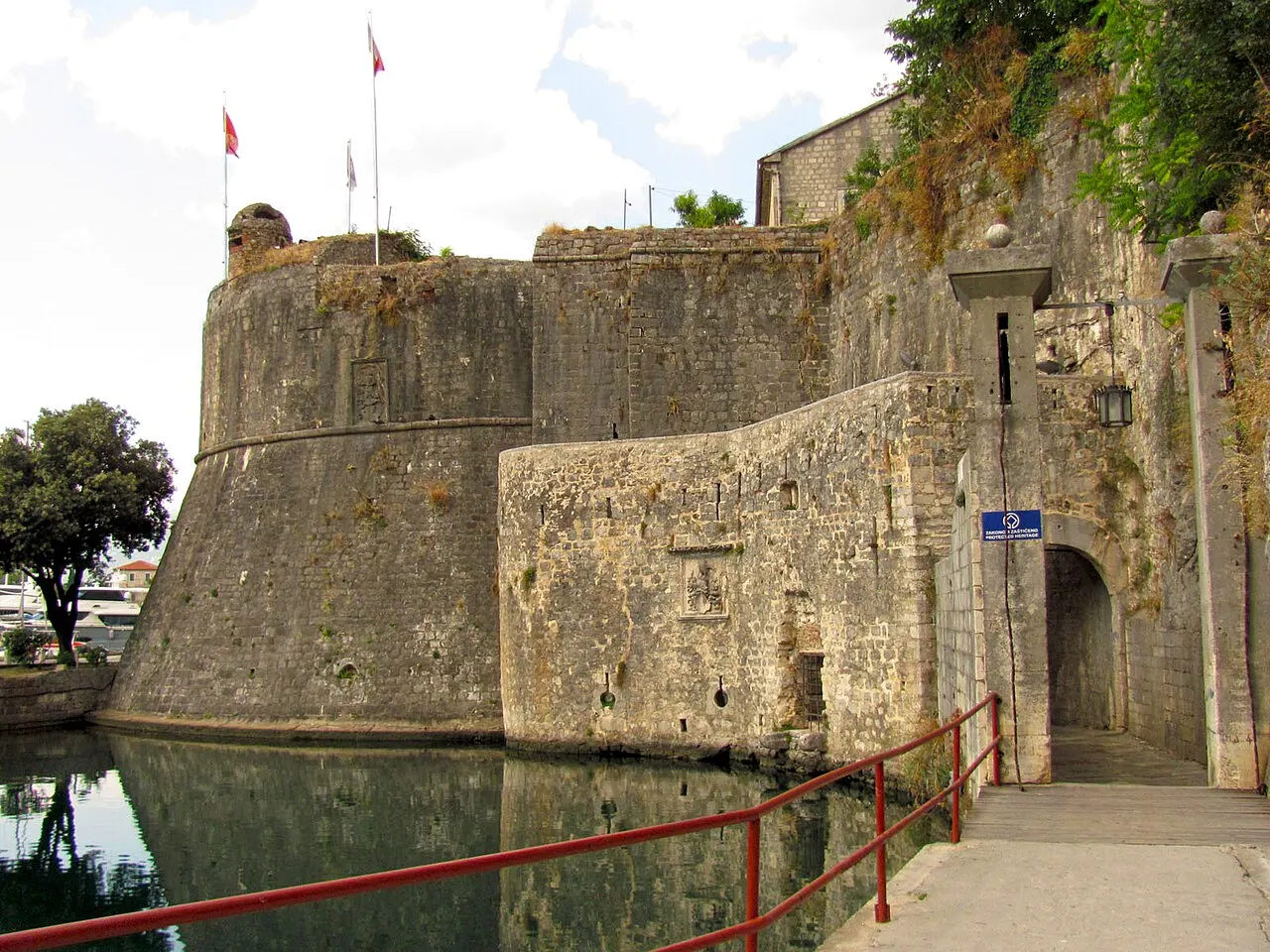
The honest answer is: it depends almost entirely on one thing — whether your ship berths alongside the quay or has to tender passengers ashore by boat. When a ship docks at the berth, Kotor is genuinely one of the kinder Adriatic calls for wheelchair users and travellers with limited mobility. The quay runs right outside the Old Town walls, the walk to the Sea Gate is short and mostly level, and there's no long transfer or shuttle to negotiate. You're at the edge of the medieval town within a few minutes of rolling off the gangway.
When a ship tenders, the picture changes a lot. Tendering means transferring from the ship to a smaller boat and across to the quay, and tender boats are rarely well suited to wheelchairs or unsteady walkers — the step down, the movement of the boat, and the crew's discretion on the day can all be barriers. Some ships restrict tender access for guests who can't manage the transfer unaided. So the single most important thing you can do is find out, before you sail, whether your call is a dock or a tender day, and ask your cruise line exactly what assistance they provide either way.
How far is it from the ship to the Old Town?
On a dock day, not far at all — and that closeness is Kotor's great gift to anyone who finds distance and transfers hard. The berth sits on the quay directly outside the walls, so the route to the Sea Gate is a short stretch of mostly flat, paved promenade with no busy road to cross and no shuttle to board. For many wheelchair users and slower walkers, that means reaching the heart of a UNESCO Old Town is among the simplest port arrivals in the Adriatic, with cafés, a level main square and a sense of the place all within reach of the gate.
There's no need for a port transfer to get to the centre, which removes a common pinch point. What you should plan for instead is the surface and the timing once you're inside: arrive early on a busy cruise day, because the same short, level approach gets crowded when several ships are in and weaving through a press of people is far harder on wheels or with a stick. If you can, time your stroll in for the cooler, quieter first hours.
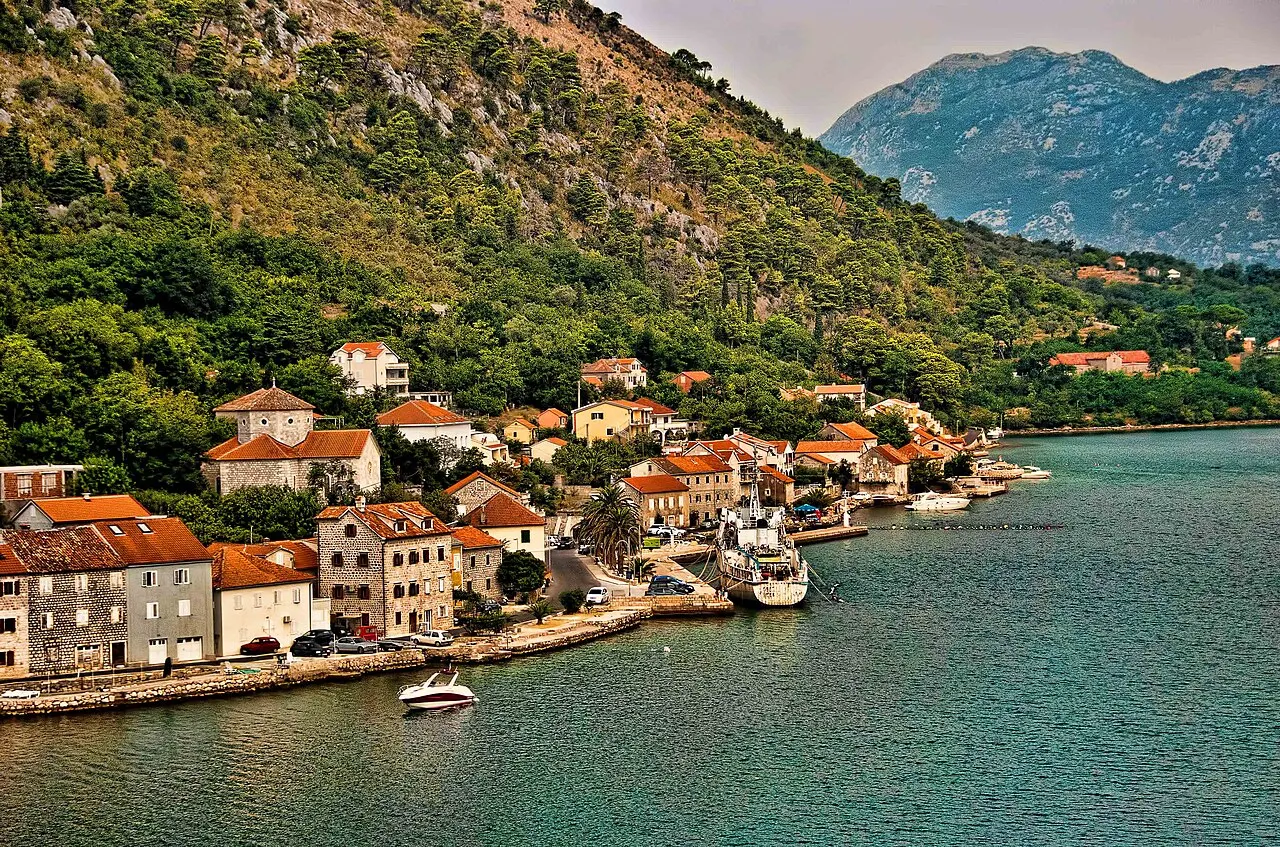
- Dock day: a short, mostly level paved walk from berth to Sea Gate — no shuttle needed.
- No major road to cross between the quay and the gate.
- Go early on busy days — crowds make the level approach much harder on wheels.
- See our cruise-port-to-Old-Town guide for the exact route and surfaces.
 Cruise Port to Old Town Kotor
The exact route from the berth to the Sea Gate, step by step.
 How to Avoid Cruise Crowds in Kotor
Timing your arrival so the level approach stays clear.
Map pins
Map data © OpenStreetMap contributors · Tiles © OpenFreeMap
What are the Old Town surfaces and the walls climb like?
Inside the walls, the news is mixed but mostly manageable. The Old Town is essentially flat — there's no significant gradient across it — which is a real advantage. What you'll meet instead is the surface: centuries-old cobbles and stone paving that are uneven, sometimes polished and slippery, and broken by the odd lip or worn slab. The open squares — Arms Square, Flour Square, the cathedral square — are the easiest going, with room to manoeuvre; the narrow side alleys are tighter and rougher underfoot. A sturdy wheelchair, a companion to help over the worst patches, and unhurried timing make the core of the town accessible to many; a lightweight chair on its own may struggle with the cobbles.
The one experience to set aside is the walls climb to St John Fortress. It is the town's signature view, but it's reached by a long flight of steep, uneven stone steps — roughly 1,350 of them — with no ramp, lift or accessible alternative on the wall route itself. It is not wheelchair accessible and is genuinely hard for anyone with limited mobility, heart or breathing conditions, or a fear of exposed heights. Rather than attempt it, take the famous panorama from the water on a bay trip, or from a viewpoint reached by car or the cable car, and enjoy the rest of the Old Town at the level the town actually offers.

- The Old Town is flat but cobbled and uneven — squares easiest, side alleys roughest.
- A sturdy chair plus a companion makes the core manageable; a light chair may struggle.
- The walls climb is ~1,350 stone steps with no accessible route — skip it.
- Get the panorama from the water or a drivable viewpoint instead.


Can I get an accessible taxi or boat trip?
Both exist, but neither should be assumed on the day — arrange them ahead. Accessible taxis with ramps or lifts are limited in Kotor, as in much of the region, so if you need a wheelchair-accessible vehicle for a transfer or an excursion, book a specialist operator in advance and confirm exactly what the vehicle provides. Standard taxis are widely available and fine for travellers who can transfer into a car seat with some help, with a folding chair stowed in the boot; just allow extra time and be clear about your needs when you book.
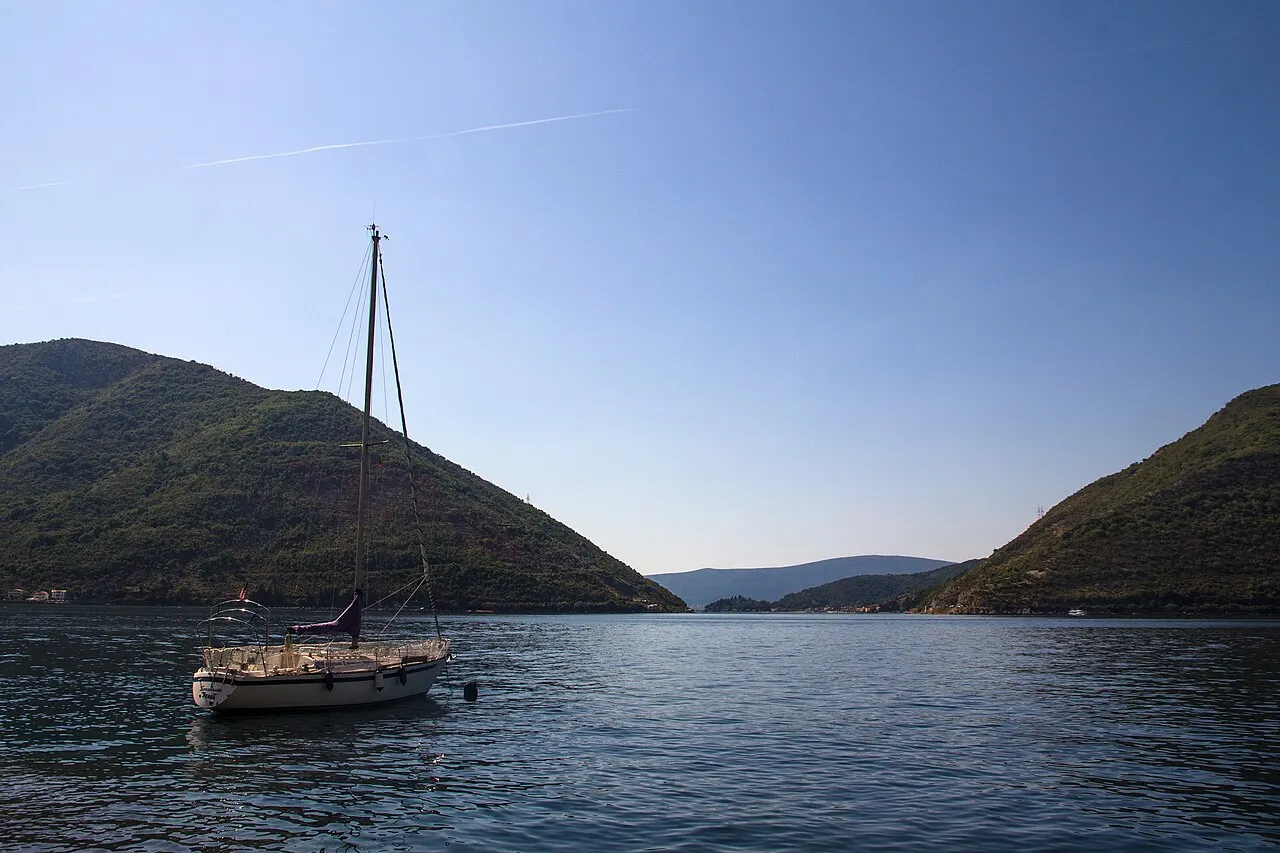
Boat trips are one of the best ways for a limited-mobility traveller to enjoy the bay — the water is level, the views are the equal of the climb, and a sheltered Perast and Our Lady of the Rocks loop is gentle and short. The catch is boarding: quays, jetties and the boats themselves vary a lot, and some involve a step down or an unsteady transfer rather than a level ramp. A private boat is usually the better bet than a packed group tour, because you can tell the operator your needs in advance and they can choose a boat and a boarding point that work. Always confirm the boarding arrangement before you pay, and don't commit to anything that depends on you managing a transfer you can't.
- Accessible (ramped) taxis are limited — book a specialist operator ahead, never turn-up-and-go.
- Standard taxis work for travellers who can transfer with help and stow a folding chair.
- A private boat lets you brief the operator and pick a boat and jetty that work.
- Always confirm the boarding arrangement and any step-down before you pay.


Are there accessible toilets and facilities near the port?
Public toilet provision around the Old Town and the quay is limited and changeable, and accessible facilities more so, so plan rather than assume. The most reliable course on a port day is to use the facilities on your ship before you go ashore, and to lean on cafés and restaurants while you're in town — buying a coffee and asking to use the toilet is normal and usually the easiest option, though not every venue inside a medieval building has a step-free or adapted toilet. If a usable toilet is essential to your timing, scout one early in the day rather than relying on finding one later.
We don't list specific facility locations, opening hours or fees here, because they change and a stale detail helps no one. Treat the practical specifics — accessible-toilet locations near the gate, current charges, and whether a particular café is step-free — as things to verify on the day or with your ship's shore-excursion desk, which often has up-to-date local notes. The broad picture is simply this: Kotor is welcoming and walkable at ground level, but its medieval fabric means accessible facilities are patchy, so a little forward planning saves a lot of stress.
- Use the ship's facilities before going ashore; lean on cafés and restaurants in town.
- Not every venue in a medieval building has a step-free or adapted toilet.
- Scout a usable toilet early if timing depends on it.
- Verify specific locations, hours and charges on the day or via the ship's shore desk.
Which shore excursions actually fit limited mobility?
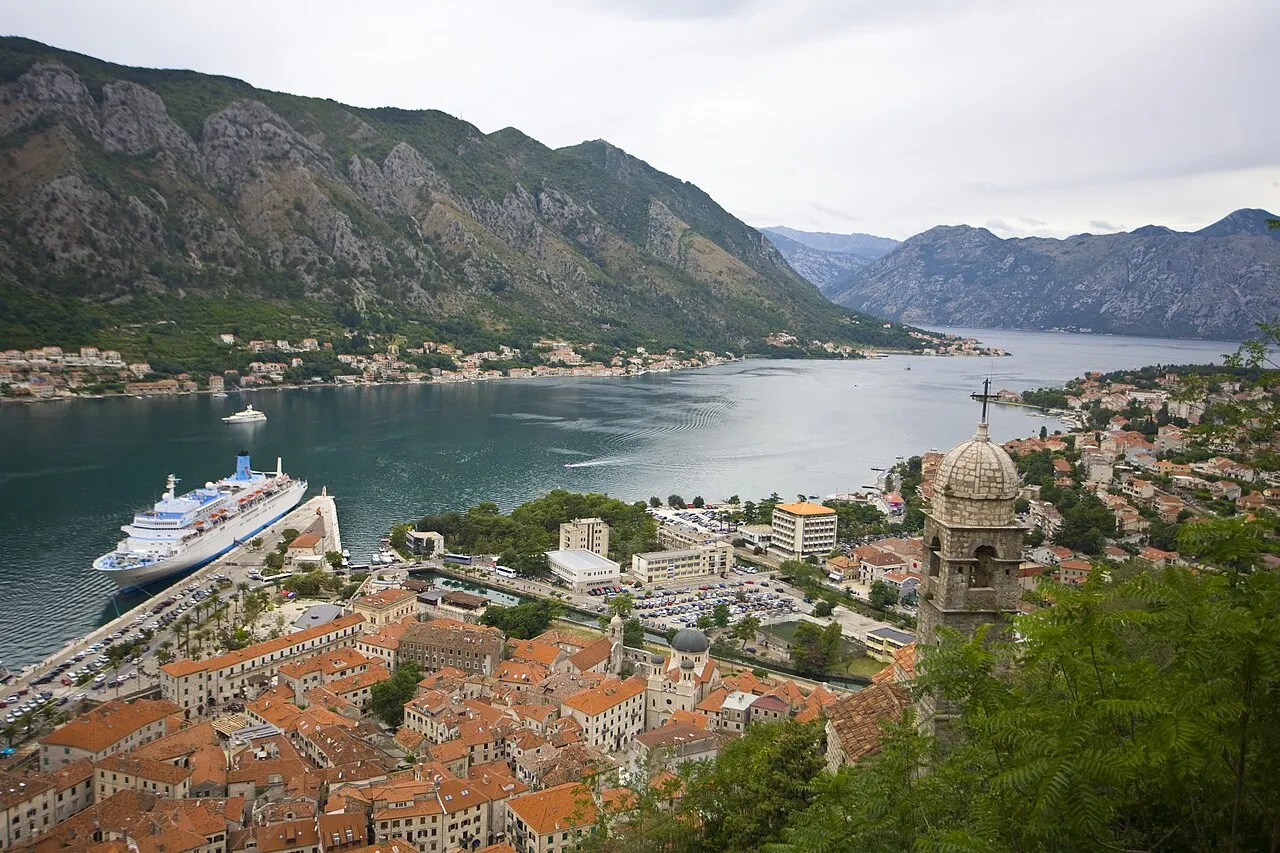
Choose by surface and transfer, not by headline sight. The best-fitting trips are the ones that stay level and short: a gentle wander of the Old Town's flat squares at a quiet hour, a sheltered private boat to Perast and Our Lady of the Rocks with a boarding point you've checked, or a scenic drive that delivers big bay views from the comfort of a car without asking you to climb. The cable car can be a step-free-ish way to reach a high viewpoint for the famous panorama — confirm the boarding and the station access in advance — turning the one experience you can't do (the walls climb) into one you can, from a different angle.
Avoid, or approach with care, anything built on stairs, rough trails or long stretches of cobbles — the wall-walk, steep village lanes, and any tour that promises a lot of walking on uneven ground. A private excursion almost always serves limited-mobility travellers better than a ship's coach tour, because you can spell out your needs in advance and the operator can pick a route, a vehicle and a pace that fit, with a buffer back to the ship. Whatever you choose, confirm dock-or-tender status, boarding arrangements and the back-on-board timing before you commit — and don't let the fear of missing the climb stop you enjoying a bay and a town that are, at ground level, wonderfully within reach.
- Best fit: a flat Old Town wander, a checked-boarding private boat to Perast, a scenic drive.
- The cable car can give the famous view step-free-ish — verify station access first.
- Avoid stair-based, trail-based and long-cobble walking tours.
- Private trips flex around access needs far better than the ship's coach tours.

Accessible Kotor Travel Guide
An honest accessibility guide to Kotor — the flat-but-cobbled Old Town, the stair-only fortress climb, cruise-port access, taxis and transfers, level waterfront walks, museums, accessible hotels, and realistic routing that plays to the town's strengths.
Read guideCruise Port to Kotor Old Town
How to get from the Kotor cruise port or tender pontoon to the Old Town: the few-minute walk, the route to the Sea Gate, accessibility on the flat-but-cobbled approach, meeting points, and the tender-day note.
Read guide
Accessible Hotels & Stays in Kotor
Where to stay in Kotor for step-free access: why the cobbled, stepped, car-free Old Town is the hardest base for limited mobility, the flatter bay alternatives like Dobrota and the modern wider-bay hotels, and the access questions to ask before you book.
Read guideMore in Cruise Port
6
Best Kotor Shore Excursions
Compare the best Kotor shore excursions for a cruise day: the self-guided Old Town, the fortress walls, the cable car, a Perast and Our Lady of the Rocks boat, the Blue Cave, Lovćen and Cetinje, Budva, and private guides — by who they suit, effort and timing risk.
Read guide
Boat Tours for Cruise Passengers
The boat-tour options that genuinely fit a Kotor cruise call, ordered by timing risk: the short Perast and Our Lady of the Rocks run, a private boat, and the higher-risk Blue Cave — with the weather, buffer and all-aboard rules that keep you safe.
Read guide
Can Cruise Passengers Climb the Walls?
Whether the Kotor wall climb to St John Fortress fits your cruise call: the heat and fitness reality, how to time it around all-aboard, the seasonal ticket, and gentler alternatives if the full climb is too much.
Read guideHow to Avoid Cruise Crowds in Kotor
How to enjoy Kotor on busy cruise-port days — why the walled town fills up, how to read the cruise schedule, the early-and-late rhythm that dodges the crush, the bay and mountain escapes, and where to base for a calmer stay.
Read guide
Kotor Cruise Schedule Guide
How to check Kotor cruise calls and use the schedule to plan your day — when ships arrive and leave, why call size matters, and how to time the Old Town, the walls climb, restaurants and boat trips around the calendar.
Read guide
One Day in Kotor from a Cruise
A realistic, hour-by-hour port-day route for Kotor: off the ship and into the Old Town early, the walls or cable car before the heat, a bay boat or Perast, a long lunch, and a safe back-on-board buffer — with three variants for different energy levels.
Read guide