
What to Pack for Kotor
A practical packing list for Kotor — the right shoes for polished cobbles and the fortress steps, sun cover for the shadeless climb, gear for boat days and rocky swims, a modest cover-up for the churches, and real waterproofs for the bay's wet seasons.

- ✓Grippy, broken-in shoes are the single most important thing — Kotor's cobbles are polished and uneven, and the fortress climb is roughly 1,350 stone steps.
- ✓Sun protection earns its place even on a short trip: the walls climb has almost no shade and the bay light is strong.
- ✓Pack for water at both ends of the year — swimwear and water shoes for the rocky coves in summer, serious waterproofs for the bay's heavy rain off-season.
- ✓Carry a modest cover-up for St Tryphon Cathedral and the smaller churches, where bare shoulders and very short shorts may not be welcome.
- ✓Montenegro uses the euro and cards are widely taken, but keep some cash for small konobas, boatmen and the market — and a slim daypack for climb-and-boat days.
Pack for the place, not just the forecast
Kotor rewards packing for its surfaces and its rituals as much as its temperatures. The Old Town is a maze of centuries-old cobbles, polished glassy-smooth by millions of feet and broken by the odd worn lip; the headline experience is a climb of roughly 1,350 uneven stone steps to St John Fortress; the best days are spent stepping on and off boats and swimming from rocky coves; and the town's churches expect a degree of modesty. Get the shoes, the sun cover, the swim kit, a cover-up and a rain plan right, and almost everything else is comfort and preference.
This list is organised by what Kotor actually asks of you rather than by drawer, with the seasonal differences flagged as we go. The constant, whatever month you come, is grippy footwear and a way to deal with rain, because the bay can turn wet outside high summer and is one of the wettest places in Europe in the cold months. Treat anything that changes — exact temperatures, what's open, prices — as something to verify close to your dates; we keep the moving numbers light and lead with the judgement here.
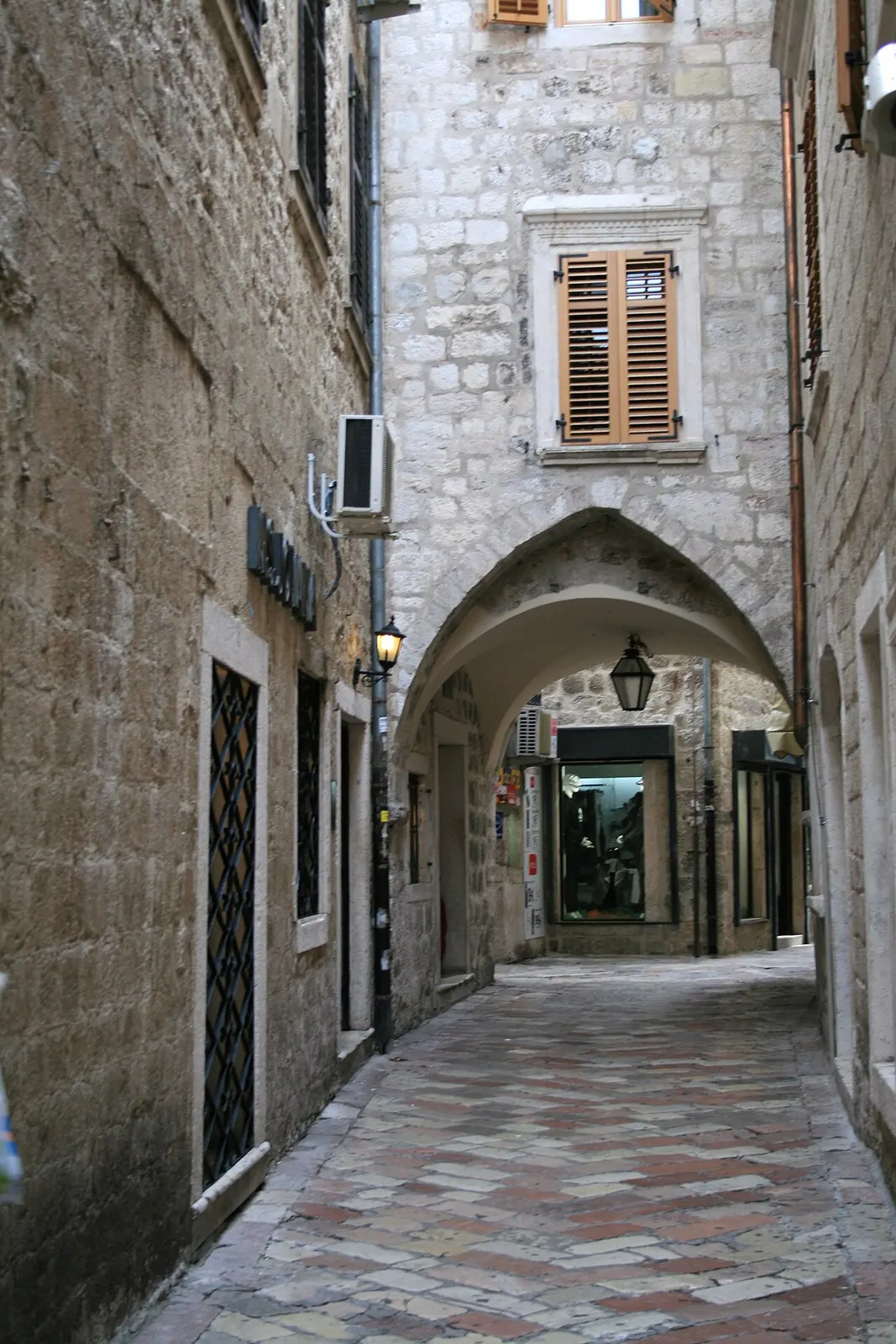
Footwear: the thing that matters most
If you pack one thing well for Kotor, make it your shoes. The Old Town's cobbles are beautiful and treacherous — stone worn smooth and slick, especially in the wet, with uneven joints that catch a heel or a smooth sole. Add the fortress climb's roughly 1,350 uneven steps and you have a destination that punishes flimsy footwear and rewards proper grip. Bring shoes or trainers with a real, gripping sole, broken in before you travel so the steps don't blister you, and you'll move through the whole town with confidence.
For the walls climb specifically, supportive trainers or light hiking shoes are ideal; flip-flops, smooth-soled sandals and new shoes are exactly what you'll regret on the stone. In high summer you'll also want water shoes or sturdy sandals for the rocky, sometimes pebbly swim coves, where bare feet suffer. A second, smarter pair for dinner is a nice-to-have, but keep them grippy too — even the restaurant lanes are cobbled. The single best decision most visitors can make is to leave the delicate soles at home.
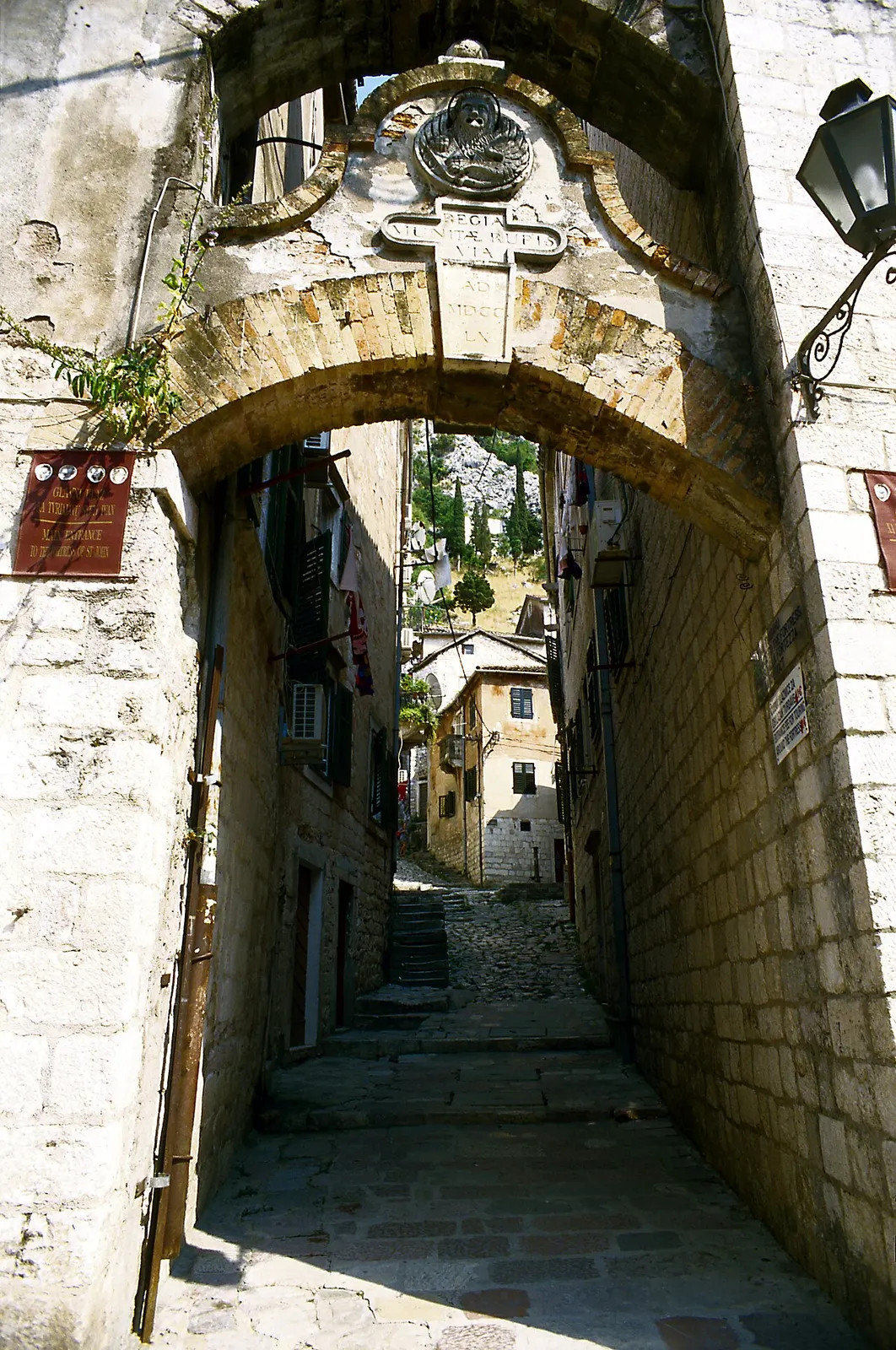
- Grippy, broken-in trainers or walking shoes for the cobbles and the ~1,350 fortress steps.
- Avoid smooth soles, flip-flops and brand-new shoes — the polished stone is slick.
- Summer: add water shoes or sturdy sandals for the rocky swim coves.
- Keep even your dinner shoes grippy — the restaurant lanes are cobbled too.
 Kotor Fortress Hike
Why footwear and water make or break the climb.
 Best Swimming Spots in the Bay
The rocky coves where water shoes pay off.
Map pins
Map data © OpenStreetMap contributors · Tiles © OpenFreeMap
Sun, heat and the shadeless climb
Kotor's sun deserves respect, especially on the walls. The climb to St John Fortress has almost no shade, the limestone radiates heat back at you, and the bay light is strong off the water — so sun protection is a safety item here, not just a comfort. Pack a high-factor sunscreen, a brimmed hat, sunglasses, and a refillable water bottle you actually keep filled. In July and August carry more water than feels necessary for the climb, and time it for first light or late afternoon rather than the punishing midday heat.
For clothing in the warm months, lean light and breathable: loose cottons and linens that cope with heat and dry quickly after a swim or a sweat-soaked climb. A light long-sleeve layer is worth having even in summer — for sun cover on an exposed boat, for cooler evenings on the water, and for stepping into churches. Quick-dry fabrics are your friend on a coast where you'll move between climb, boat and swim in a single day. None of this needs to be technical or expensive; it just needs to handle heat, sun and salt water without complaint.
- Sunscreen, a brimmed hat, sunglasses and a refillable water bottle — the climb is shadeless.
- Summer clothing: light, breathable, quick-dry cottons and linens.
- A light long-sleeve layer doubles as sun cover, an evening warmer and church-appropriate dress.
- In peak heat, carry extra water and climb early or late, never at midday.
Boat days and swimming
Some of Kotor's best hours are spent on the water, and they have their own short packing list. For boat trips — a Perast loop, a sunset cruise, a Blue Cave run — bring swimwear under your clothes so you're ready to jump in, a quick-dry towel, water shoes for rocky boarding and swim stops, and that light layer plus sunscreen for the exposed deck, where there's nowhere to hide from sun or breeze. A dry bag or a simple waterproof pouch keeps a phone and a passport safe from spray and the inevitable splash.
For swimming generally, remember the bay's coves are mostly rock and pebble rather than soft sand, so water shoes transform the experience. The water is comfortable roughly from June into September and often a mild early October, but it's cooler than the Mediterranean cliché early in the season, so a rash vest or light layer extends a spring swim. Pack a second swimsuit if you're here for several days — things dry slowly in humid bay air — and goggles if you like to look down, because the clear water rewards it.

- Boat days: swimwear, a quick-dry towel, water shoes, sun cover and a dry bag for valuables.
- The coves are rock and pebble, not sand — water shoes make a real difference.
- Sea is comfortable June–September, often into early October, but cool in early spring.
- Bring a spare swimsuit for a multi-day trip; bay air dries things slowly.
Churches, dress code and a touch of style
Kotor's churches are part of the visit, and they come with a quiet expectation of modesty. To step inside St Tryphon Cathedral, the smaller Old Town churches or the island church of Our Lady of the Rocks, you'll want shoulders covered and not-too-short shorts or skirts — bare beachwear isn't appropriate in these working religious spaces. A light scarf or sarong that packs down to nothing is the easy fix: it doubles as sun cover, an evening wrap on a breezy boat, and an instant cover-up at a church door.
Otherwise, Kotor is relaxed about style. The town is unfussy and coastal, and you'll be comfortable in casual clothes day and night. For a romantic dinner on a square or a waterfront terrace you might want one smarter outfit, but nothing formal is ever required — and remember the lanes are cobbled, so any dressier shoes still need to be walkable. Pack for comfort first, throw in one nicer layer for the evenings, and keep the cover-up handy for the churches.
- Cover shoulders and avoid very short shorts/skirts inside the cathedral and churches.
- A packable scarf or sarong serves as church cover, sun cover and an evening wrap.
- Dress is otherwise casual and coastal — one smarter layer is plenty for dinners.
- Even dressier shoes need to handle cobbles.


Rain, layers and the off-season
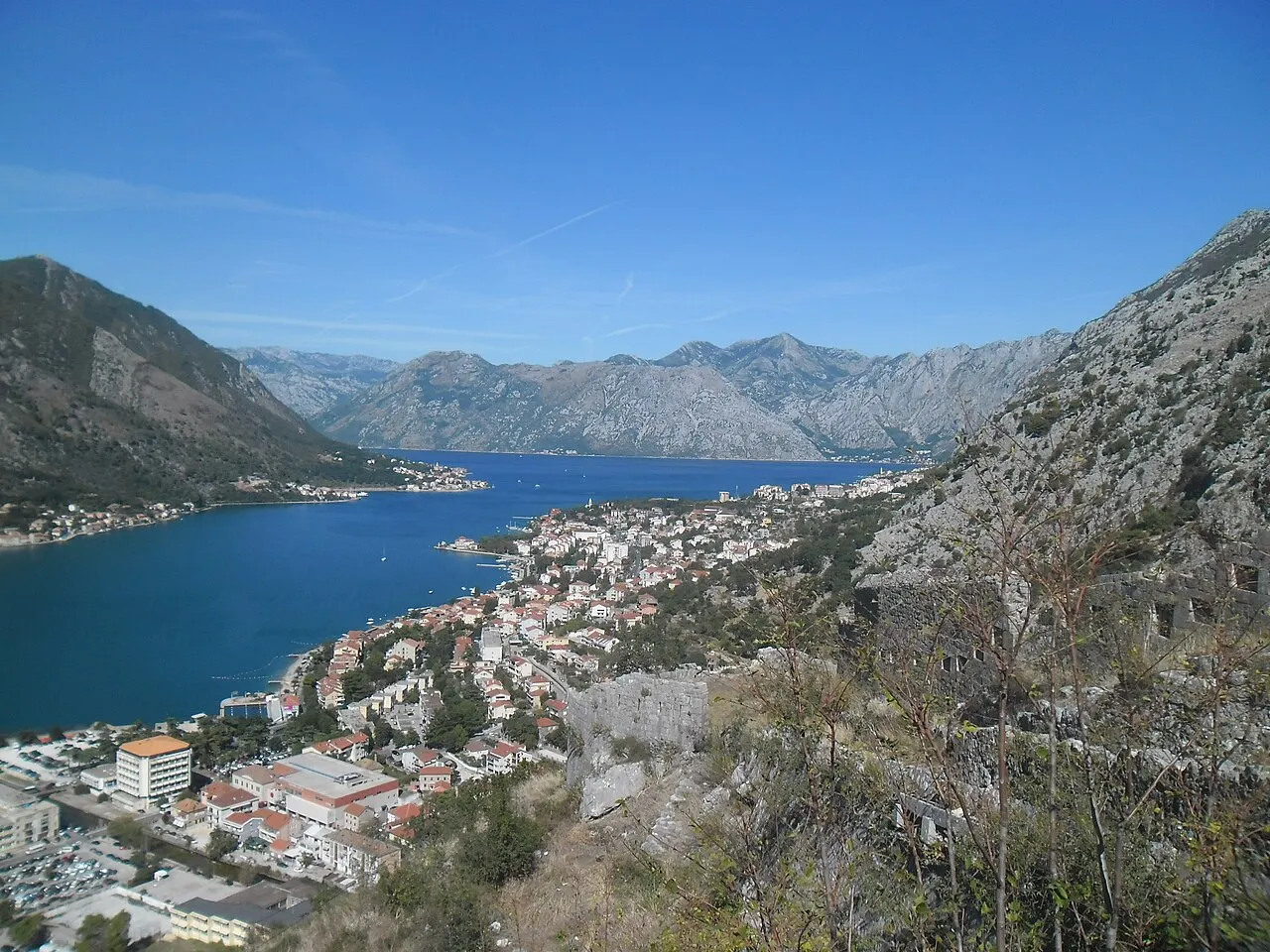
Here's the packing point first-time visitors most often get wrong: Kotor is one of the wettest towns in Europe, and outside high summer you should pack as if it might really rain. In the shoulder seasons a packable rain shell and a light layer handle the changeable days, when a warm afternoon can turn wet and the evenings cool on the water. From late autumn through winter, upgrade to a genuinely waterproof jacket and a small umbrella — this is downpour country, not drizzle country, and a token raincoat will leave you soaked.
Layering is the strategy for everything but the deep heat of midsummer. Mornings and evenings cool down, boats are breezy, the mountains above are colder than the bay, and a single warm layer plus a shell covers most of it without bulk. If you plan to drive or take a trip up the serpentine to Njeguši and Lovćen, remember the heights run colder and can be wet or icy even when the town is mild, so carry a warm layer for the mountains. Pack a small quick-dry travel towel and a spare pair of dry socks in the wet seasons — your feet will thank you after a rainy cobble walk.
- Shoulder seasons: a packable rain shell and a light layer for changeable days.
- Late autumn–winter: a properly waterproof jacket and an umbrella — Kotor's rain is heavy.
- Layer for cool mornings, breezy boats and the colder mountains above the bay.
- Carry a quick-dry towel and spare dry socks in the wet seasons.

Money, documents and the small stuff
A few practical items smooth a Kotor trip. Montenegro uses the euro, and cards are widely accepted in hotels, restaurants and shops, but keep some cash on hand for small konobas, boatmen, the morning market, parking and the odd café that prefers it. A slim daypack is ideal for climb-and-boat days, carrying water, a layer, sunscreen and a dry bag without weighing you down. A universal travel adapter (Montenegro uses the standard European two-pin sockets) and a portable charger keep your phone — your map, camera and translator — alive through long days out.
For documents, bring your passport and any visa or border paperwork if you plan a day trip across to Dubrovnik in Croatia, plus your driving licence and rental and insurance details if you're driving. A copy of your travel insurance and a small basic first-aid and medication kit are wise, since pharmacies keep their own hours and you may want a blister plaster after the climb. None of this is exotic; it's just the kit that turns a good Kotor trip into an easy one. Verify any current border, currency or entry specifics close to your travel dates rather than relying on a fixed figure.
- Euro currency, cards widely taken — but carry cash for konobas, boatmen, the market and parking.
- A slim daypack and a dry bag for climb-and-boat days.
- European two-pin adapter and a portable charger for long days out.
- Passport, driving/rental papers if relevant, insurance copy and a small first-aid kit.
- Verify border, currency and entry specifics close to your travel dates.


Kotor Weather Guide
What Kotor's weather actually means for your trip — boat days, the fortress climb, swimming, driving the mountain roads, packing and winter visits, season by season around the Bay of Kotor.
Read guideKotor Fortress Hike
A practical, step-by-step guide to climbing Kotor's city walls from the Old Town to St John Fortress — the route, the timing, how long it takes, what to bring, and how to fit the hike into a cruise day.
Read guide
Bay of Kotor Boat Tours
Compare the kinds of boat trip on the Bay of Kotor: shared group tours, fast speedboat trips, private charters, the Perast and Our Lady of the Rocks classic, the Blue Cave route, and sunset cruises — what each suits, rough durations and the weather caveat.
Read guideMore in Practical
6
Accessible Kotor Travel Guide
An honest accessibility guide to Kotor — the flat-but-cobbled Old Town, the stair-only fortress climb, cruise-port access, taxis and transfers, level waterfront walks, museums, accessible hotels, and realistic routing that plays to the town's strengths.
Read guide
Best Time to Visit Kotor
A month-by-month guide to the best time to visit Kotor, weighing cruise crowds, fortress-climb heat, boat-trip and swimming season, rain, prices and the bay's calendar of events.
Read guide
Driving in Kotor and Montenegro
What it's really like to drive in Kotor and Montenegro: narrow two-lane bay roads and summer traffic, the white-knuckle serpentine, tunnels, the Kamenari–Lepetane ferry shortcut, rental and cross-border cautions, parking, fuel and mountain-route planning.
Read guideDubrovnik to Kotor
How to get from Dubrovnik to Kotor: the cross-border bus, the hire car, the private transfer, the two border crossings and their summer queues, whether it works as a day trip, and when staying overnight is the better call.
Read guide
Getting Around Kotor
How to get around Kotor and the Bay of Kotor: when to walk, take a local bus, hail a taxi, hop a boat, drive and park, use the Kamenari–Lepetane ferry, or book a private driver.
Read guide
How to Get to Kotor
How to get to Kotor: the three nearest airports — Tivat, Podgorica and Dubrovnik across the border — plus bus, car, cruise ship and private transfer, with a practical FAQ.
Read guide